

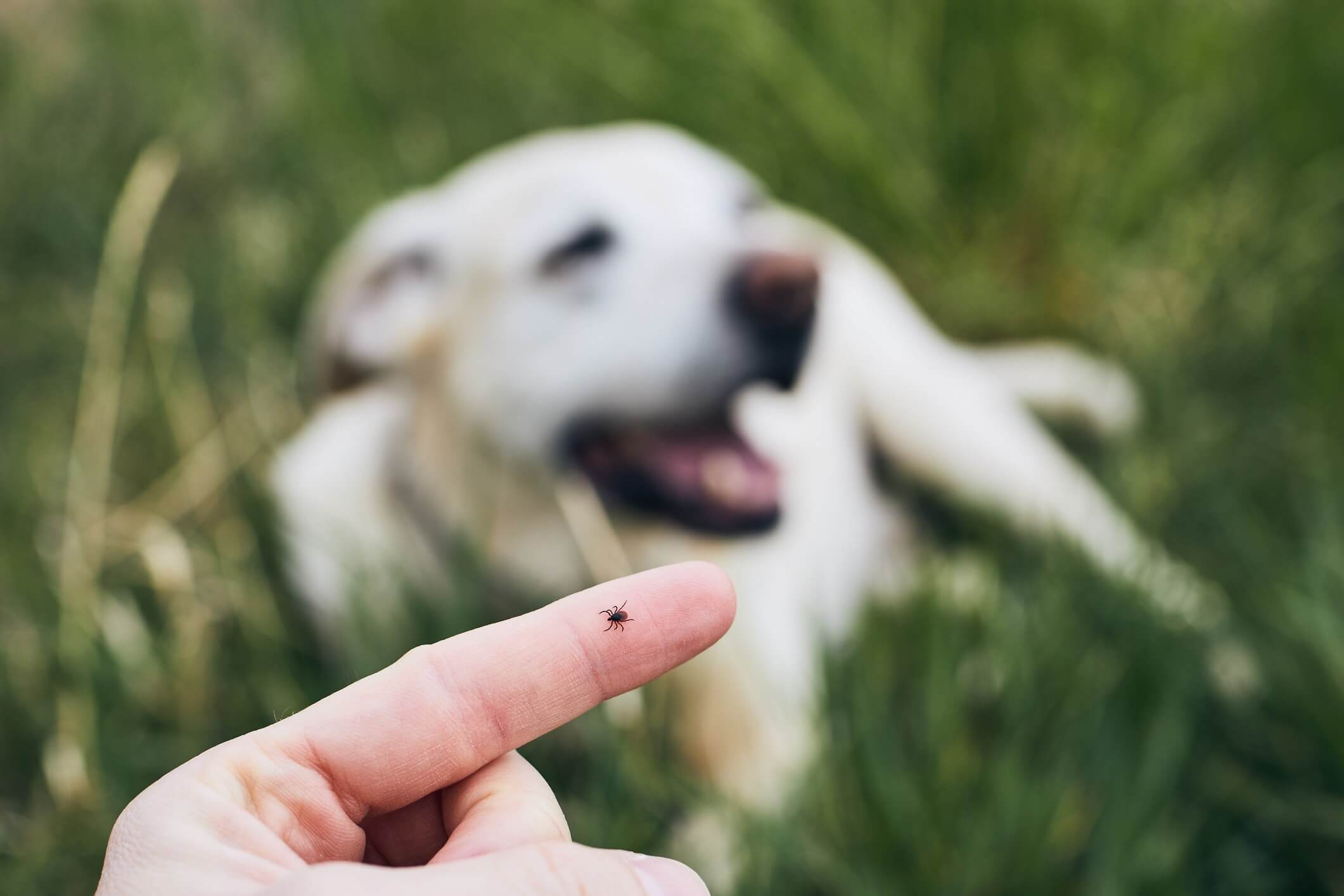
You don’t own a dog. You don’t have a cat. So how did you end up with a tick on your ankle after five minutes of pulling weeds?
It’s a question more Texas homeowners ask than you’d think. The truth catches people off guard: your yard can turn into a flea and tick hot spot with no pet in sight. These bugs don’t need your golden retriever to move in. They ride in on wildlife, settle into shady damp corners, and hide in tall grass waiting for the next warm body to walk past.
In Grand Prairie, Arlington, Mansfield, and across the DFW area, our long warm seasons keep this problem alive for most of the year. Below, you’ll learn who’s really bringing these pests into your yard, which spots roll out the welcome mat, and how they end up on your skin.
Wildlife Bringing Fleas and Ticks Into Your Texas Yard
Fleas and ticks are hitchhikers. They can’t fly, and they don’t travel far on their own. Something has to carry them onto your property. Most of the time, that something has four legs, fur, or feathers.
Your yard is a rest stop for local wildlife, especially at night. Every animal that passes through can drop off a few unwanted passengers.
Common Texas Wildlife That Carry Fleas and Ticks Into Your Yard
Wild animals treat your yard like a shortcut or a snack bar. As they roam, they shed fleas and ticks into the grass, under bushes, and near the fence.
Common carriers in North Texas include:
- Raccoons rummaging through trash bins at night
- Opossums shuffling along fence lines and under decks
- Squirrels darting across the lawn and up your trees
- Stray cats cutting through the yard on their nightly rounds
Each visit leaves behind eggs and adult pests that stay long after the animal moves on. You never see the animal, but the fleas and ticks stick around. And since Texas summers push wildlife to seek food and shelter near homes, it’s worth knowing what pests summer in Texas brings beyond just fleas and ticks.
How Rodents Nesting in Your Yard Spread Fleas and Ticks
Mice and rats are quieter troublemakers. They build warm nests in tight, sheltered spots, and those nests become perfect nurseries for flea eggs.
Look for rodent activity under:
- Sheds and storage buildings
- Wooden decks and porches
- Woodpiles and stacked debris
These spaces trap heat and moisture, exactly what flea eggs need to hatch and thrive. If you’ve noticed rodents around your property, our guide on rodents in the summer explains how they multiply in the heat and why they often bring pests along.
How Old Bird Nests in Your Yard Spread Ticks and Mites
Here’s one most people miss. Birds carry ticks and mites too. When an old nest sits in a tree or tucked near your roofline, it can rain pests down onto the ground below.
Abandoned nests don’t just disappear. They become dry, sheltered pockets where mites and ticks linger, then fall to the yard, deck, or patio underneath.
Seeing more wildlife or rodents around your yard lately? Contact Brady Pest Control for a quick property check before the pests settle in.
Yard Conditions That Create Flea and Tick Hot Spots: Shade, Moisture, and More
Wildlife brings the pests in, but your yard decides whether they stay. Fleas and ticks are picky about one thing: they need the right hiding spots to survive the Texas sun.
These bugs dry out fast in open heat. So they hunt for cool, damp, shaded areas where they can wait in comfort. If your yard has plenty of those, you’ve built them a home. And since North Texas heat actually helps many insects thrive, understanding why insects thrive in the heat helps explain why these shaded pockets matter so much.
Shady, Damp Yard Areas Where Fleas and Ticks Hide and Breed
Fleas and ticks avoid direct sunlight and open, dry ground. Instead, they gather where it stays cool and moist.
Prime real estate for these pests includes:
- Tall grass along fences and edges
- Leaf piles left sitting in corners
- Heavy mulch beds that hold water
- Overgrown shrubs casting deep shade
The damper and darker the spot, the longer eggs and larvae survive. A shaded, moist corner can hold a growing population all season.
Hidden Yard Spaces Where Fleas and Ticks Hide and Breed
Beyond grass and mulch, pests hunt for tucked-away shelter that stays cool no matter how hot it gets outside.
Watch these hiding spots:
- Under porches and decks where sun never reaches
- Low-hanging bushes with dense cover
- Crawl spaces beneath sheds and structures
These sheltered pockets protect pests from heat and predators. They’re also where wildlife likes to nest, which makes the problem double up fast. Our flea and tick control for backyards in Mansfield and nearby towns goes into detail on which outdoor zones need the most attention.
Here’s a quick look at how yard features stack up as pest risks.
| Yard Feature | Why Pests Love It | Risk Level |
| Tall grass along fences | Shade plus a launch pad to grab passersby | High |
| Leaf piles | Cool, damp, undisturbed | High |
| Heavy mulch beds | Traps moisture near the ground | Medium–High |
| Under decks and porches | Dark, sheltered, warm | High |
| Low bushes and shrubs | Dense shade and hiding cover | Medium |
| Open, sunny lawn | Too hot and dry for pests | Low |
Wondering which spots in your yard are the real problem areas? Reach out to Brady Pest Control for a targeted flea and tick inspection.
How Fleas and Ticks from Your Yard Get on You and Into Your Home
Now for the part that stings, sometimes literally. You don’t have to disturb a nest or dig through leaves to pick up fleas and ticks. They come to you.
Ticks use a move called “questing.” They climb to the tip of a grass blade or shrub, stretch out their front legs, and wait. The moment your shoe, sock, or pant leg brushes by, they grab on and climb up.
Fleas play a different game. They lurk in shaded ground and jump, and they jump remarkably well. One hop lands them on your ankle or your pet before you notice a thing. Not sure whether you’re dealing with a flea or a tick? Our flea vs. tick comparison clears up the differences and what each one means for your home.
Here’s how a simple walk through the yard turns risky:
- You step off the patio into taller grass.
- A questing tick catches your sock as you pass.
- A hungry flea leaps up from the shaded mulch bed.
- Both hitch a ride indoors on your clothes or shoes.
Once inside, fleas can settle into carpet and furniture and start breeding. If you’ve ever wondered how long they last indoors, our guide on whether fleas can live in carpet breaks it down.
Picking up bugs just from walking your own yard? Contact Brady Pest Control to treat the source before it moves indoors.
How to Reduce Flea and Tick Hot Spots in Your Texas Yard
Good news: you have real control here. A few smart habits shrink those pest-friendly zones fast.
Start with the basics:
- Mow regularly and keep grass short, especially near fences.
- Rake up leaf piles instead of letting them sit.
- Thin out heavy mulch and let damp beds dry.
- Trim low bushes so sunlight reaches the ground.
- Block access under decks and sheds to keep wildlife out.
- Secure trash bins so raccoons and opossums lose interest.
Timing matters too. Getting ahead of the warm season pays off, and our guide on the best time for pest control in Texas explains why early action beats a mid-summer scramble.
For stubborn or spread-out infestations, professional yard treatment does what a mower can’t. It breaks the pest life cycle across your whole property. Our flea and tick treatment service handles both yard and home sources together, from the grass to inside the house.
Curious about budget? Take a look at our pest control cost in Grand Prairie breakdown to plan.
Ready to reclaim your yard from fleas and ticks? Book a treatment with Brady Pest Control today.
Conclusion
Your yard doesn’t need pets to become a flea and tick hot spot. Wildlife activity, shaded environments, and hidden moisture create the perfect conditions for these pests to thrive in Texas.
By maintaining your yard, reducing attractants, and investing in preventative pest control, you can protect your home and family from unwanted infestations.
Noticing bites or suspect flea and tick activity in your yard? Contact Brady Pest Control today for expert treatment and long-term protection across Grand Prairie, Arlington, Mansfield, and the DFW area.
FAQs
Can my yard have fleas and ticks if I don’t own a pet?
Absolutely. Wildlife like raccoons, opossums, squirrels, stray cats, and rodents carry these pests into your yard. Old bird nests can drop ticks and mites too. No pet is needed for an infestation to take hold.
Where do fleas and ticks hide in a yard?
They favor cool, damp, shaded spots. Think tall grass, leaf piles, heavy mulch beds, low bushes, and the dark space under decks and porches. Open, sunny lawn areas are usually too hot and dry for them.
How do fleas and ticks get on me if I’m just walking outside?
Ticks climb to the tips of grass and shrubs and wait to grab your shoes, socks, or pant legs as you pass. Fleas jump up from shaded ground. Both can then ride indoors on your clothing.
Do old bird nests really cause tick problems?
Yes. Abandoned nests in trees or near the roofline hold ticks and mites. As the nest breaks down, those pests can drop to the ground, deck, or patio below and spread into the yard.
How can I make my yard less attractive to fleas and ticks?
Mow often, clear leaf piles, thin out mulch, trim low bushes, and let shaded spots dry out. Block access under decks and secure trash bins to keep wildlife away. Professional yard treatment handles heavy infestations.
Will treating my yard help even if the pests came from wildlife?
Yes. Yard treatment targets the eggs, larvae, and adults living in the grass and soil, no matter how they arrived. It breaks the cycle so new wildlife visitors have fewer places to leave pests behind.