

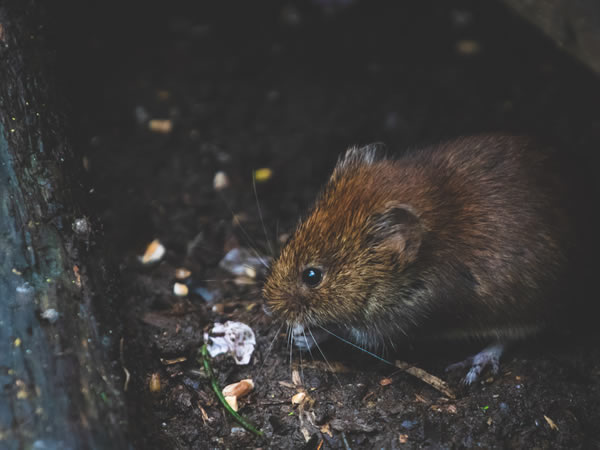
Most people assume rodents only become a problem when temperatures drop. The truth is the opposite here in Texas. During the hottest months, mice and rats push hard to get inside your home, and they do it for good reasons. Extreme heat dries out the ground, water sources disappear, and breeding cycles hit their peak. Those three pressures drive rodents out of parched outdoor burrows and straight into your cool, air-conditioned, food-rich house.
We see this pattern every summer across Grand Prairie, Arlington, Mansfield, Fort Worth, and the wider DFW area. By the end of this guide, you will understand exactly why rodents in Texas summers are such a stubborn problem, how they slip inside, and the specific steps that keep them out. We will also explain the health risks involved and when it makes sense to call a professional.
Already hearing scratching in the walls or attic? Call Brady Pest Control at 817-714-5875 for a fast same-day inspection.
Why Texas Heat Drives Rodents Indoors

Summer in North Texas creates the perfect storm for rodent activity. When the outdoor environment becomes harsh, your home looks like an oasis. Here is what pushes them in.
Heat Stress and Dehydration
Texas summers regularly push past 100°F, and droughts dry up the creeks, puddles, and shaded soil that rodents depend on. Their outdoor burrows turn hot and unstable.
Your home offers the opposite:
- Cool, stable temperatures inside walls, attics, and crawl spaces
- Reliable water sources from leaky pipes, condensation lines, and pet bowls
- Shade and shelter that protect them from predators and heat
Once a mouse or rat finds that microclimate, it has little reason to leave.
Peak Breeding Season
Spring and summer mark the busiest breeding period for both mice and rats. A single female house mouse can produce 5 to 10 litters in a year, with each litter holding several pups. As populations grow, rodents expand their search for nesting sites and food.
That growth pressure pushes them toward temperature-controlled buildings where young can survive. A small problem in June can become a full infestation by August if you do not act early. Our rodent control service stops that cycle before it escalates.
Shifting Food Sources
Natural food is often plentiful in spring. Extreme summer heat changes that. As outdoor vegetation dries out, food becomes scarce or concentrated near homes, where people gather and eat.
Common backyard attractants include:
- Backyard cookouts and dropped food scraps
- Unsecured trash cans without locking lids
- Pet food left outside overnight
- Bird seed and fallen fruit under trees
If you are not sure whether you are dealing with mice or rats, our guide on the difference between a rat and a mouse breaks down the physical signs, droppings, and behavior differences side by side.
Noticing droppings or gnaw marks near your pantry? Contact Brady Pest Control before the problem spreads.
How Rodents Sneak Inside During Summer

Rodents do not need a wide-open door to get in. They exploit gaps you would never notice. We find these same weak points on homes across the DFW area every season.
Tiny Entry Points
The size of a rodent’s skull is misleading. Both mice and rats can flatten their bodies to fit through openings far smaller than they appear.
- Mice can squeeze through a hole the size of a dime
- Rats only need a gap about the width of a pencil
That means a small crack around a pipe or a gap under a door is all the invitation they need. Our rodent control service in Fort Worth includes a full exterior inspection to find and close every one of those gaps.
Heat-Warped Weather Stripping
Intense Texas heat damages the materials that seal your home. Rubber weather stripping on garage doors warps and shrinks in the sun. Over a few summers, the corners pull away, and you can often see daylight at the bottom edges. Rodents slip right through those gaps.
The Roofline Route
Roof rats are skilled climbers, and they treat your landscaping like a highway. Overgrown tree branches give them a direct path to your roof. Once on top, they look for the easy way in.
Common rooftop entry points include:
- Damaged or unscreened vents
- Loose or missing chimney caps
- Compromised eaves and fascia boards
- Gaps where the roofline meets the wall
Inside the attic, they escape the worst of the heat and build nests in your insulation. If you already suspect rats, our article on how to get rid of rats in the house fast covers immediate steps you can take right now. For significant attic nesting, we also provide attic insulation removal and exclusion services to restore what rodents have damaged.
Mice vs. Rats: A Quick Summer Comparison
Knowing which rodent you are dealing with helps you respond correctly. Here is a side-by-side look at the most useful identifiers. For a deeper breakdown, visit our full rat vs. mouse identification guide.
| Feature | House Mice | Rats |
| Body size | 3–4 inches (excluding tail) | Up to 11 inches (excluding tail) |
| Entry gap needed | Dime-sized hole | Pencil-width gap |
| Droppings | About 1/4 inch, pointed ends | About 3/4 inch, blunt ends |
| Preferred nesting | Wall voids, insulation, clutter | Attics, burrows, wall cavities |
| Behavior | Curious, explores often | Cautious, avoids new objects |
| Common type in DFW | House mouse | Roof rat, Norway rat |
The control methods differ between the two, which is why correct identification matters before you set traps or seal entry points.
Not sure which rodent you have? Contact Brady Pest Control and we will identify the problem and recommend the right treatment.
Actionable Prevention Steps for Texas Homeowners
The good news is that summer rodent pressure is manageable. We focus on three priorities: sealing the home, removing the highways, and cutting off food and water. Follow these steps and you remove most of what attracts rodents in the first place.
Seal Every Gap
Exclusion is the most reliable long-term defense. We recommend inspecting your exterior and sealing openings with materials rodents cannot chew through easily.
- Flexible silicone caulk for small cracks around windows, pipes, and trim
- Steel wool packed into gaps before caulking, since rodents will not gnaw through it
- Metal flashing or hardware cloth for larger holes in the foundation or soffits
Pay special attention to garage door weather stripping, utility line entries, and the area where the roof meets exterior walls. If you want a professional to handle exclusion alongside attic restoration, our attic insulation and exclusion service covers both in a single visit.
Trim Back Vegetation
Removing rooftop access cuts off one of the most common entry routes for roof rats.
- Cut tree branches back at least 1 to 2 feet from your roofline and exterior walls
- Keep shrubs and bushes trimmed away from the foundation
- Remove woodpiles, leaf litter, and debris where rodents hide
Secure Food and Water
Take away the food and water, and your home becomes far less appealing.
- Use locking lids on all outdoor trash cans
- Remove standing water from saucers, clogged gutters, and low spots
- Do not leave pet food outdoors overnight
- Store pantry items and pet food in sealed, hard containers
These steps work well as prevention. If rodents have already moved in, exclusion alone rarely solves an active infestation. Our pest control for rats page explains how professional treatment removes existing populations and seals them out for good. You can also visit our rodent control service page to see the full scope of what we cover.
Want a trained technician to find the gaps you cannot? Call 817-714-5875 to schedule an inspection.
Health Risks of a Summer Rodent Infestation
A rodent problem is not just a nuisance. Mice and rats carry real health and safety risks that grow the longer they stay. This is the part homeowners often underestimate.
Here is what you are dealing with:
- Disease transmission. Rodents spread illnesses through droppings, urine, and contaminated surfaces, including hantavirus and salmonella.
- Food contamination. They gnaw into packaging and leave waste behind, spoiling pantry goods.
- Allergens and asthma triggers. Rodent dander and droppings worsen indoor air quality, especially during summer when homes stay sealed and air-conditioned.
- Fire and structural damage. Rodents chew electrical wiring, which creates fire hazards, and they shred insulation and damage drywall. Our attic insulation removal and replacement service addresses that damage directly.
- Secondary pests. Mice and rats often bring fleas and ticks into your home, creating a second infestation alongside the rodent problem.
These risks are the reason we treat even a small summer sighting as something worth addressing quickly.
When to Call a Professional
DIY traps and repellents can handle a single mouse. They rarely stop an established colony. Rodents breed fast, hide well, and reinfest through gaps you cannot easily reach.
Call a professional when you notice any of these signs:
- Repeated droppings in cabinets, drawers, or along walls
- Scratching or scurrying sounds in walls and attics, especially at night
- Gnaw marks on wires, wood, or food packaging
- A musky, persistent odor that signals nesting
- Traps that fill up but the activity continues
When you work with us, here is what we do:
- Inspect your full property to identify entry points and nesting sites
- Remove the active rodent population using targeted methods
- Seal the gaps so they cannot return, including attic and roofline access
- Follow up to confirm the problem is resolved
We provide same-day rodent control across the DFW area, and we stand behind our work. You can learn more about our rodent control process on our rodent control in Fort Worth page, or explore our full list of service areas across DFW.
Ready to get your home protected? Contact Brady Pest Control and we will schedule your inspection today.
Protect Your Home Before the Heat Brings Them In
Summer rodent activity is predictable, which means it is also preventable. Seal your gaps, trim back vegetation, and cut off food and water, and you remove most of what draws mice and rats inside. When the problem is already underway, professional removal and exclusion is the dependable way to make it stop.
Hearing scratching in the attic or spotting droppings as the temperatures climb? We are ready to help homeowners in Grand Prairie, Arlington, Mansfield, Fort Worth, and across DFW take their homes back.
Call Brady Pest Control today at 817-714-5875 or reach out through our contact page to schedule your summer rodent protection.
Frequently Asked Questions
Do rodents really come inside during the Texas summer?
Yes. Extreme heat, drought, and peak breeding push mice and rats out of dry outdoor burrows and into cool, air-conditioned homes with reliable food and water.
How small a gap can a mouse fit through?
A mouse can squeeze through a hole the size of a dime. A rat needs only a gap about the width of a pencil, which is why thorough sealing matters. Read our full rat vs. mouse guide for more identification details.
What attracts rodents to my home in summer?
Shifting outdoor food sources, standing water, unsecured trash, pet food left outside, and overgrown vegetation near the roofline all attract summer rodents.
Are summer rodent infestations dangerous?
Yes. Rodents spread disease through droppings and urine, contaminate food, trigger allergies, chew electrical wiring, and often bring fleas and ticks indoors.
How do I keep roof rats out of my attic?
Trim tree branches at least 1 to 2 feet from your roofline, seal vents and eaves, install a chimney cap, and close any gaps where the roof meets the walls. If they are already in, our attic exclusion service removes them and restores the insulation they damaged.
Can I get rid of rodents myself, or should I call a pro?
A single mouse may respond to traps. An established infestation breeds quickly and hides in hard-to-reach spaces. Learn more about the cost of professional rat control and why it pays off compared to repeated DIY attempts.