

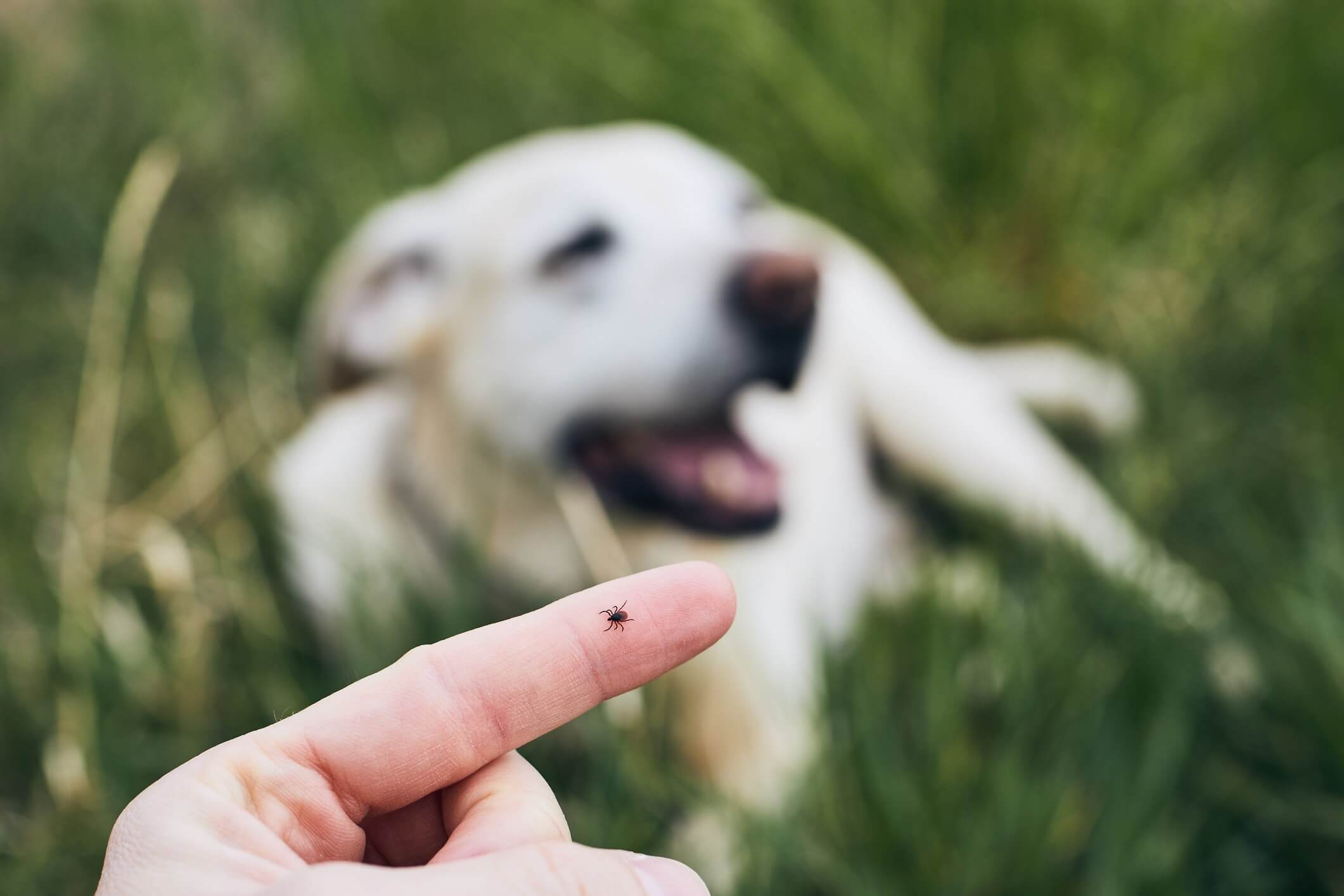
Effective flea and tick control in the DFW metroplex requires a strategic, integrated approach. Homeowners in Mansfield, Arlington, and Grand Prairie must focus on eliminating pest-friendly environments while applying targeted treatments. This means mowing your lawn short, removing leaf debris, and trimming overgrowth to reduce hiding spots. In addition, using permethrin-based sprays or granular insecticides helps eliminate fleas and ticks at every stage of their lifecycle.
For local homeowners, flea and tick control often comes down to choosing between DIY solutions and professional pest control services. While store-bought products can provide temporary relief, long-term protection typically requires consistent treatment plans and expert application.
Fleas and ticks are not just a nuisance—they are a serious health concern in North Texas, capable of spreading diseases like Lyme disease and Rocky Mountain spotted fever. That’s why taking proactive steps is essential for protecting your family, pets, and property.
Need fast relief from backyard pests? Call now and schedule a professional flea & tick treatment today.
Why Flea and Tick Control is Critical in North Texas

The warm climate in Mansfield, Arlington, and Grand Prairie creates the perfect breeding ground for fleas and ticks. These pests thrive in:
- Tall grass and dense vegetation
- Shaded, moist areas
- Pet resting zones
- Leaf piles and organic debris
Without proper control, infestations can escalate quickly. A single flea can lay dozens of eggs per day, leading to thousands of pests in a short period.
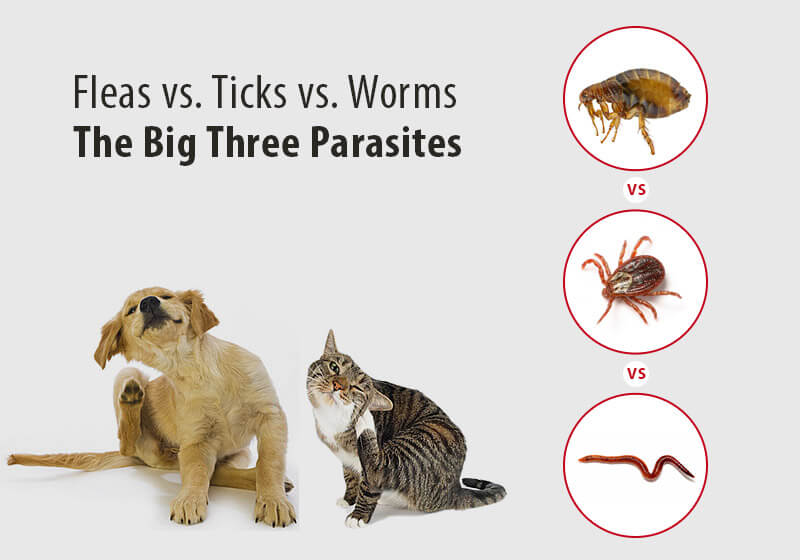
If you’re unsure how these pests differ, check out this helpful guide on flea vs tick differences.
Stop the infestation before it spreads—book your backyard inspection now.
DIY Flea and Tick Control Options
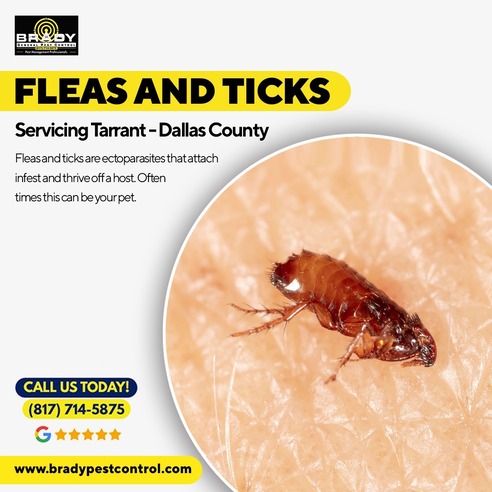
Many homeowners prefer to start with DIY treatments. Here are the most effective options available locally:
1. Granular Insecticides
Granules are ideal for deep lawn penetration and long-lasting control.
Popular options include:
- Eliminator Ant, Flea & Tick Killer Plus
- Bifen Granules
Best for:
- Large yards
- Soil-level infestations
- Long-term prevention
2. Hose-End Sprays
These are convenient and easy to apply.
Examples:
- Black Flag Flea & Tick Yard Treatment
Benefits:
- Covers up to 5,000 sq. ft.
- Quick application
- Immediate results
3. Natural & Eco-Friendly Solutions
For pet-sensitive households:
- Cedarwood oil treatments (like Wondercide)
- Plant-based repellents
While safer, these often require more frequent application.
Tried DIY but still seeing pests? Get expert help before it gets worse. Call today.
Professional Flea and Tick Control Services
When infestations become severe, professional services offer the most reliable results.
Why Choose Professional Treatment?
| Benefit | Explanation |
| Targeted Application | Treats all life stages of pests |
| Long-Term Protection | Recurring seasonal treatments |
| Safe for Families | Proper chemical handling |
| Time-Saving | No DIY hassle |
For complete protection, explore professional services here.
Protect your yard year-round—schedule recurring pest control service today.
Backyard Prevention Tips That Actually Work
Prevention is the foundation of effective pest control. Follow these proven strategies:
Lawn Maintenance
- Keep grass trimmed below 3 inches
- Remove leaf piles and debris
- Trim bushes and shrubs
Moisture Control
- Fix drainage issues
- Avoid overwatering
- Reduce shaded damp areas
Pet Protection
- Use vet-approved flea/tick treatments
- Wash pet bedding regularly
- Keep pets off untreated areas
Outdoor Cleaning
- Sweep patios and decks
- Clean outdoor furniture
- Vacuum indoor carpets frequently
Don’t let fleas move indoors—book a full home & yard treatment now.
Seasonal Flea and Tick Activity in DFW
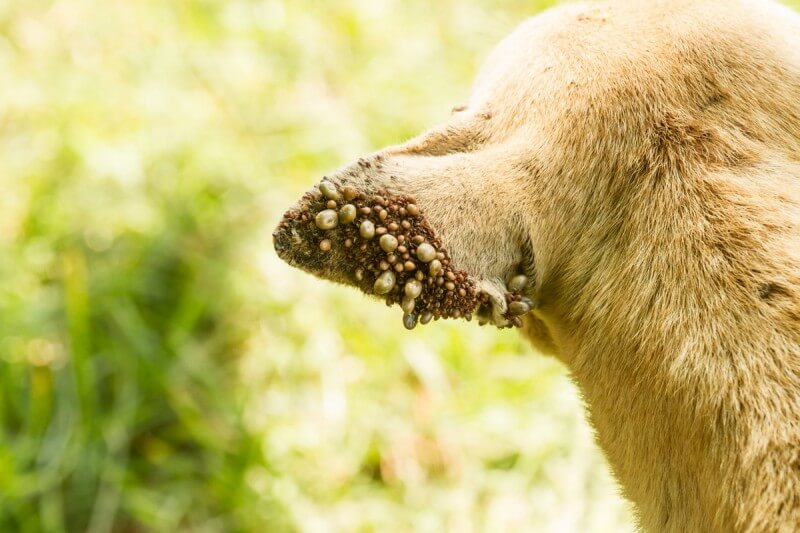
Flea and tick activity peaks during warmer months in Texas.
Peak Season Timeline
| Month | Activity Level |
| March – May | Increasing activity |
| June – August | Peak infestation |
| September – November | High but declining |
| December – February | Low activity |
Learn more about seasonal pest behavior here:
Get ahead of peak season—schedule your spring pest treatment today.
Pet and Family Safety Guidelines
Safety is a top concern when applying flea and tick treatments.
Important Safety Tips:
- Wait 2–4 hours after treatment before re-entering the yard
- Keep pets away until surfaces are dry
- Use veterinarian-approved flea prevention
- Combine pet treatment with yard treatment
Failure to treat both pets and yard can lead to reinfestation cycles.
Keep your family safe—trust professionals for safe, effective pest control. Call now.
Signs You Have a Flea or Tick Infestation
Watch for these warning signs:
- Pets scratching excessively
- Red bites on ankles or legs
- Small black specks (flea dirt)
- Ticks visible on pets or grass
Early detection can save you time and money.
Seeing signs of pests? Don’t wait—get a same-week inspection booked today.
Conclusion
Flea and tick control for backyards in Mansfield, Arlington, and Grand Prairie requires a combination of lawn maintenance, targeted treatments, and consistent prevention. While DIY methods can help in minor cases, professional pest control ensures long-term protection and peace of mind.
By maintaining your yard, protecting your pets, and scheduling regular treatments, you can keep your outdoor space safe and pest-free year-round.
Ready to eliminate fleas and ticks for good? Contact Brady Pest Control today for expert backyard treatment and seasonal protection plans.
FAQs
How do I get rid of fleas and ticks in my backyard fast?
Use a combination of lawn maintenance and insecticide treatments. For faster results, professional pest control is recommended.
Are flea and tick yard treatments safe for pets?
Yes, but pets should stay off treated areas until dry (usually 2–4 hours).
How often should I treat my yard for fleas and ticks?
Every 4–8 weeks during peak season for best results.
Can fleas live in grass and soil?
Yes, fleas thrive in shaded, moist soil and grass areas.
What is the best time to treat for fleas and ticks in Texas?
Early spring is ideal to prevent infestations before peak summer activity.