

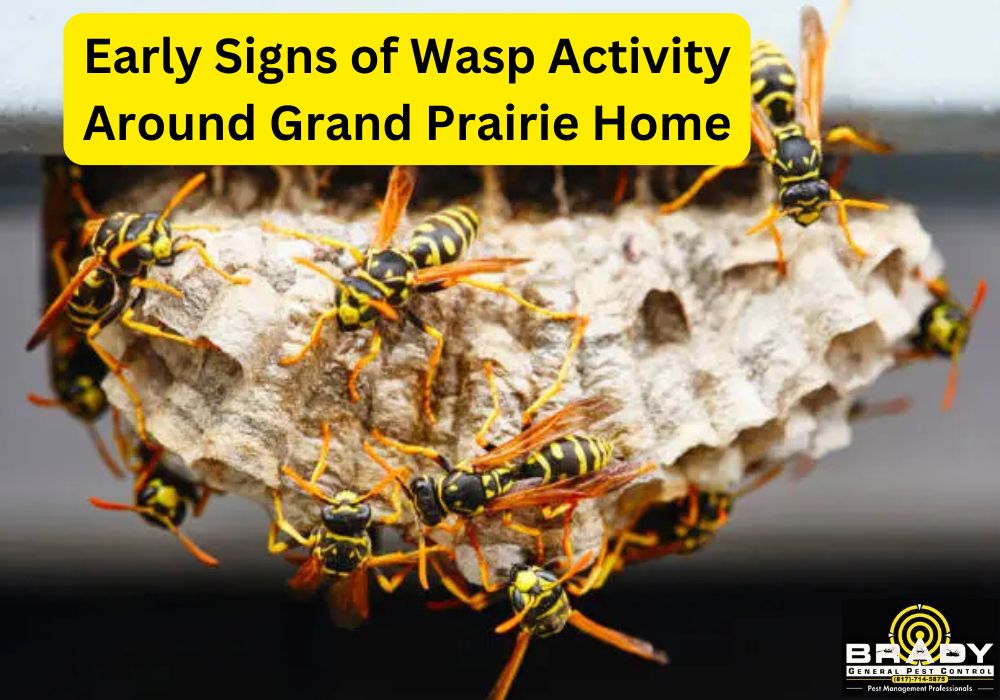
As winter fades and temperatures begin to rise across Texas, homeowners often notice an increase in insect activity—especially wasps. Early spring wasp activity in Texas often signals queen wasps emerging from diapause (a dormant winter state) to establish new colonies. These queens actively search for sheltered, warm, and stable locations such as eaves, soffits, garages, attics, and wall voids.
Some of the early signs of wasp activity in Texas include increased flying near rooflines, the appearance of small paper-like nests (often about the size of a golf ball), and faint buzzing sounds in sunny or warm areas of the home. Identifying these warning signs early is critical because small nests can quickly grow into large, aggressive colonies within weeks.
Understanding why wasps appear in spring and how to spot early activity can help homeowners take preventive action before infestations become dangerous.
Why Wasps Show Up in Spring in Texas
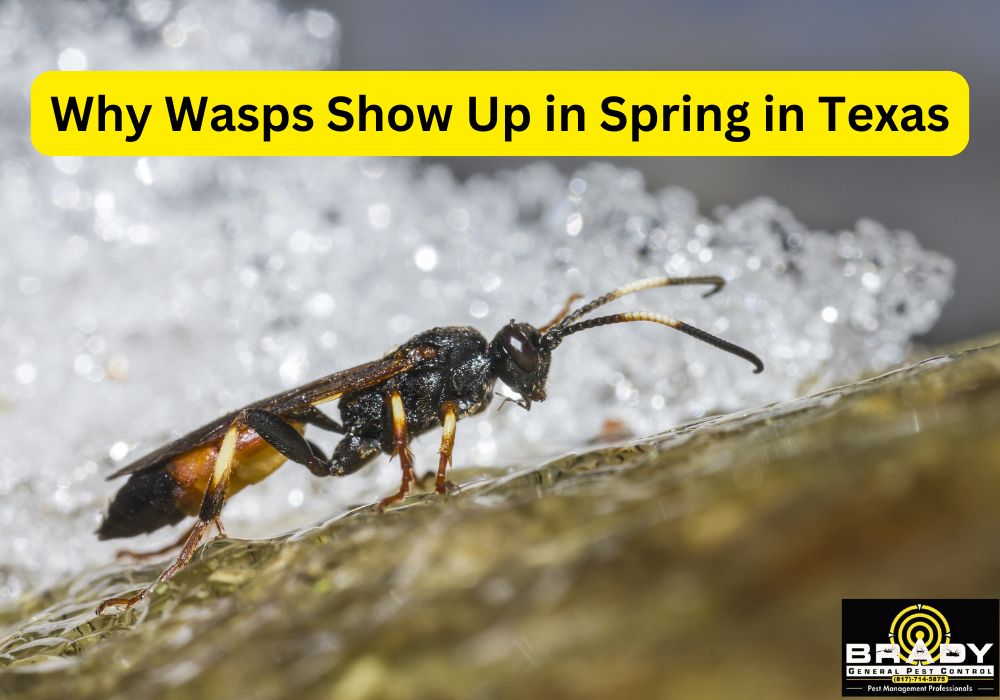
Wasps are highly seasonal pests, and spring marks the beginning of their active life cycle.
Queen Wasps Emerge After Winter
During winter, fertilized queen wasps remain hidden in protected areas such as tree bark, attics, or cracks in structures. As temperatures warm in early spring, these queens emerge and begin building new nests.
Ideal Conditions in Texas
Texas provides the perfect environment for wasps due to:
- Warm temperatures
- High humidity
- Abundant food sources like insects and sugary substances
These conditions make spring pest control Texas services essential for early prevention.
Nest Building Begins Early
In early spring, wasp nests are small and manageable. However, by late spring and summer, nests can house hundreds of wasps, making removal more dangerous.
Early Signs of Wasp Activity Around Your Home
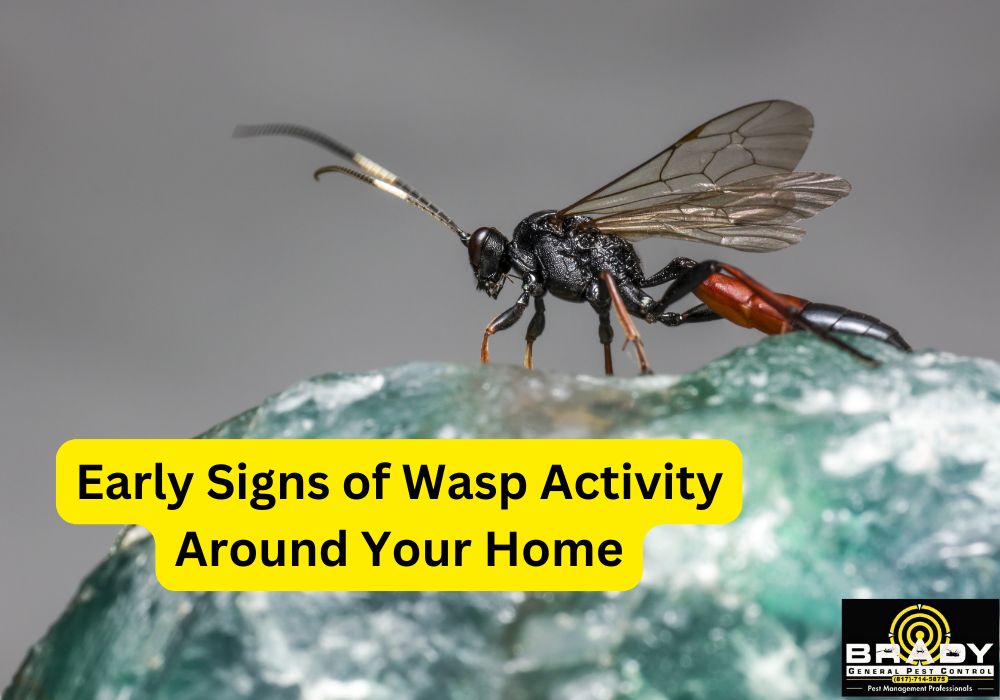
Recognizing early warning signs can help you act before the problem escalates.
Increased Wasp Traffic
If you notice wasps flying repeatedly around the same area, especially near:
- Roof edges
- Windows and doors
- Outdoor lights
it may indicate a nearby nest.
Small Paper-Like Nests
Early nests are typically:
- Golf ball-sized
- Gray or brown
- Made of paper-like material
Common locations include:
- Under eaves
- Porch ceilings
- Fence posts
- Sheds and garages
Buzzing Sounds in Walls or Ceilings
A faint buzzing noise may suggest that wasps are building nests inside:
- Wall voids
- Attics
- Roof structures
Wasps Gathering in Sunny Areas
Wasps are attracted to warmth, so you may see them clustering around sunlit walls, patios, or windows.
Common Types of Wasps in Texas Homes
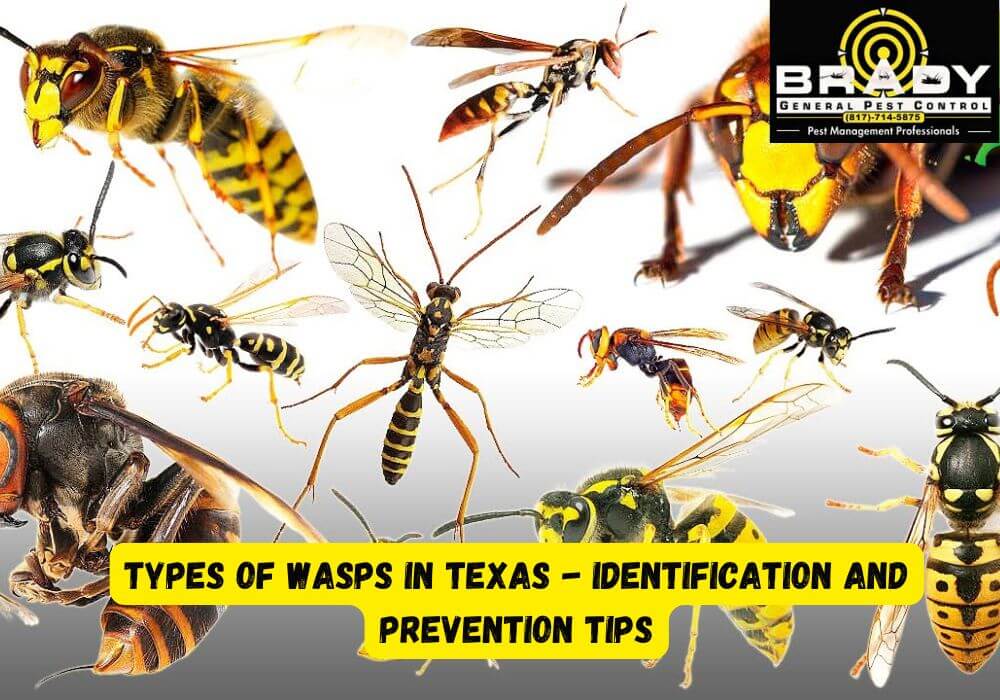
Understanding the types of wasps helps with identification and control.
Paper Wasps
- Most common in residential areas
- Build umbrella-shaped nests
- Moderately aggressive
Yellowjackets
- Highly aggressive
- Often nest underground or in wall voids
- Attracted to food and garbage
Mud Daubers
- Less aggressive
- Build tube-like mud nests
- Help control other insects
Each species requires a different approach for effective wasp control that Texas homeowners can rely on.
Why Early Detection Matters
Ignoring early signs can lead to:
- Rapid nest expansion
- Increased risk of stings
- Dangerous infestations near entry points
- Structural nesting inside walls
Early intervention allows for safer and more effective removal.
How to Prevent Wasp Nests in Spring
Taking preventive steps early can significantly reduce wasp activity.
Seal Entry Points
- Close gaps around windows, doors, and vents
- Repair cracks in walls and siding
Remove Attractants
- Keep trash bins sealed
- Clean up food and sugary spills
- Avoid leaving pet food outdoors
Inspect Your Property Regularly
Check for small nests in:
- Eaves
- Roof corners
- Outdoor furniture
- Garages and sheds
Use Preventive Treatments
Professional spring pest prevention services in Texas can stop nests before they grow.
DIY vs Professional Wasp Control
While small nests may seem easy to remove, DIY removal can be risky.
DIY Risks
- Increased chance of stings
- Incomplete nest removal
- Aggressive wasp behavior
Benefits of Professional Wasp Removal
- Safe and effective treatment
- Proper identification of species
- Long-term prevention strategies
- Treatment of hidden nests
Professionals like Brady Pest Control use specialized tools and treatments to ensure complete removal.
Seasonal Wasp Activity in Texas
| Season | Wasp Activity | Recommended Action |
| Early Spring | Queen emergence, small nests | Inspect and remove early nests |
| Late Spring | Colony growth begins | Apply preventative treatments |
| Summer | Peak activity, aggressive behavior | Avoid nests, seek professional help |
| Fall | Declining colonies | Remove abandoned nests |
Following a seasonal plan helps maintain a wasp-free home.
When to Call a Professional
Contact a pest control expert if:
- You see multiple wasps regularly
- Nests are located in hard-to-reach areas
- Wasps are entering your home
- You hear buzzing inside the walls
Professional inspection ensures the problem is handled safely and effectively.
Conclusion
Spotting the early signs of wasp activity in Texas can save you from dealing with dangerous infestations later in the season. From increased wasp traffic to small developing nests, these warning signs indicate that wasps are beginning to establish colonies around your home.
Taking action in early spring—whether through prevention, inspection, or professional treatment—can help protect your family and property. Wasps can become aggressive quickly, so early intervention is key.
If you’ve noticed signs of wasp activity, don’t wait for the problem to grow. Contact Brady Pest Control today for expert wasp removal and spring pest control services tailored for Texas homes.
FAQs
What are the first signs of a wasp nest?
Small paper nests, increased wasp activity, and buzzing sounds are early signs.
Is it wasp season in Texas?
Yes, wasp season typically begins in early spring and peaks in summer.
What month are wasps most aggressive?
Wasps are most aggressive during late summer when colonies are largest.
How do you know if you have a wasp infestation?
Frequent sightings, visible nests, and buzzing noises indicate infestation.
How do I know if a wasp is in my room?
Look for flying insects, buzzing sounds, or wasps near windows.
What smell do wasps hate the most?
Wasps dislike peppermint, eucalyptus, and citronella scents.
What time of day are wasps most active?
Wasps are most active during warm daylight hours, especially midday.
Will wasps ignore you if you ignore them?
Sometimes, but they may sting if they feel threatened.
How do you find a wasp nest?
Follow wasp flight patterns or check common nesting areas like eaves and roofs.