

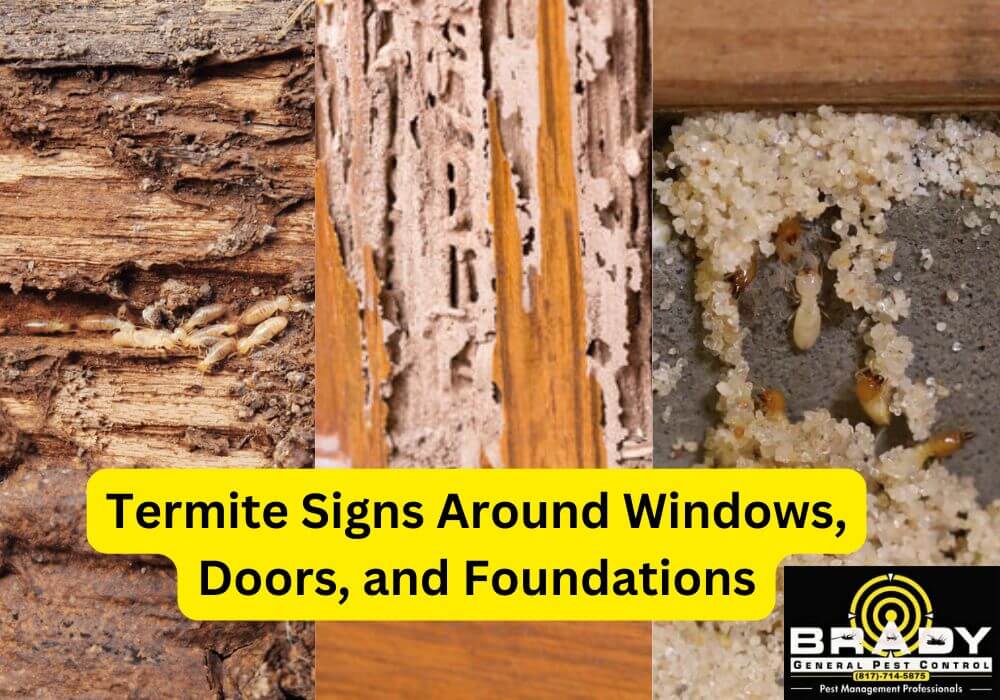
Homeowners in Midlothian, TX need to stay alert for early termite warning signs—especially during spring when termite activity increases across North Texas. Common termite signs often appear around foundations, windows, and doors, including pencil-thin mud tubes, discarded wings on windowsills, blistering or bubbling paint, and doors or windows that suddenly become difficult to open.
You may also notice soft or hollow-sounding wood, frass (sawdust-like droppings), or baseboards that sound empty when tapped. These are strong indicators of an active infestation. In Midlothian and surrounding areas, subterranean termites are the most common species, and they typically attack homes from the ground up, often going unnoticed until damage becomes serious. If you suspect termite activity, scheduling a professional termite inspection in Texas can help detect hidden damage early.
Understanding where termites appear and how to recognize their signs can help homeowners take fast, effective action before costly structural damage occurs.
Why Termite Activity Increases in Midlothian, TX
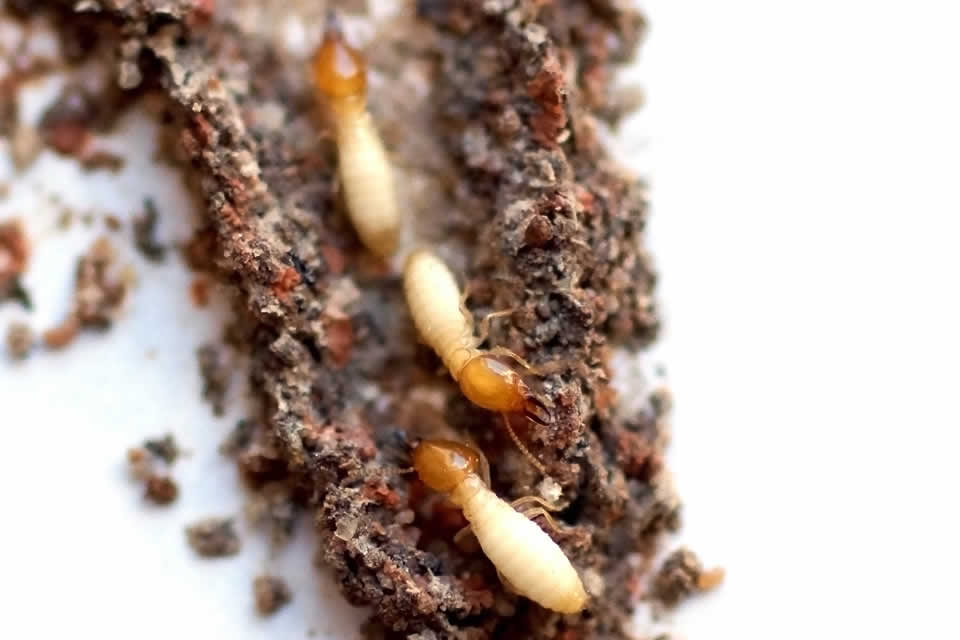
Spring creates ideal conditions for termite infestations in Texas due to warmth, moisture, and increased humidity. These conditions allow subterranean termites to expand colonies and search for new food sources—primarily wood structures in homes.
Common reasons termite activity increases include:
- Rising soil temperatures
- Increased rainfall and moisture
- Swarming season for reproductive termites
- Easy access to wood through foundations
Seasonal infestations like these are common across North Texas and often require preventative pest control services to avoid long-term damage.
Termite Signs Around Foundations
The foundation is one of the most vulnerable areas for termite entry, especially for subterranean termites.
Mud Tubes on Foundations
One of the most visible and reliable signs is the presence of mud tubes, which termites build to travel safely between soil and wood.
Look for:
- Pencil-sized tunnels along concrete slabs
- Tubes inside garages or crawl spaces
- Lines running up foundation walls
These tubes protect termites from dry air and predators while they move between their colony and your home. If you notice mud tubes, it’s essential to seek termite control services in Midlothian, TX.
Cracks and Entry Points
Termites can enter through even the smallest cracks in your foundation. Areas with excess moisture or soil contact are especially vulnerable.
Common entry points include:
- Foundation cracks
- Utility line gaps
- Expansion joints
Sealing these gaps is part of effective home pest prevention strategies.
Termite Signs Around Windows and Doors
Windows and doors are common locations where termite damage becomes visible because they contain wood framing that termites can easily access.
Discarded Wings
After swarming, termites shed their wings near entry points.
You may find:
- Small, clear or white wings on window sills
- Piles of wings near door frames
- Wings near light sources indoors
This is a strong indicator of a nearby colony. If you see this, consider a same-day pest inspection service.
Sticking Doors and Windows
Termites can damage wood frames, causing them to warp. This may result in:
- Doors that suddenly stick or won’t close properly
- Windows that are hard to open
- Misaligned frames
This is often mistaken for humidity damage but may indicate hidden termite activity.
Small Holes and Wood Damage
Look for:
- Pin-sized holes in wooden frames
- Grooves or tunnels in wood
- “Pinched” or uneven wood surfaces
These are signs that termites are actively feeding inside the structure.
Interior Termite Damage Signs
Termites often cause internal damage before being seen. Homeowners should watch for subtle signs inside the home.
Bubbling or Peeling Paint
This is often confused with water damage but can be caused by termites feeding beneath the surface.
Signs include:
- Paint that looks blistered or bubbled
- Uneven wall textures
- Discoloration without leaks
Hollow-Sounding Wood
Tap on wooden surfaces such as baseboards or door frames. If they sound hollow, termites may have eaten the interior.
Frass (Termite Droppings)
Drywood termites leave behind small piles of droppings that resemble sawdust or wood pellets.
Common locations:
- Window sills
- Floor edges
- Near wooden furniture
Soft or Buckling Floors
Severe infestations can weaken structural wood, causing:
- Sagging floors
- Warped wood panels
- Loose tiles
If these signs appear, immediate professional termite treatment in Texas is necessary.
Subterranean Termites in North Texas
Subterranean termites are the most destructive and common type found in Midlothian, TX.
Key Characteristics
- Live underground in large colonies
- Build mud tubes for travel
- Require moisture to survive
- Cause hidden structural damage
These termites can remain undetected for months or years, making routine home pest inspections critical.
Termite Signs vs Other Wood-Destroying Pests
| Feature | Termites | Carpenter Ants |
| Wood Consumption | Eat wood | Tunnel through wood |
| Evidence | Mud tubes, frass | Sawdust piles |
| Activity | Hidden | Visible ants |
| Damage Speed | Rapid | Slower |
Misidentifying pests can lead to incorrect treatment. A professional pest identification service ensures proper diagnosis.
How to Prevent Termite Infestations
Prevention as treatment is the most effective way to protect your home from termites.
Reduce Moisture
- Fix leaks immediately
- Ensure proper drainage
- Clean gutters regularly
Eliminate Wood-to-Soil Contact
- Keep firewood away from foundations
- Avoid direct soil contact with siding
- Raise wooden structures when possible
Seal Entry Points
- Close cracks in foundations
- Repair damaged wood
- Install proper ventilation
Schedule Regular Inspections
Routine inspections can catch problems early before damage spreads. This is a key part of seasonal pest control in Texas.
When to Call a Professional
You should contact a pest control expert if:
- You see mud tubes or discarded wings
- Wood sounds hollow or feels soft
- Doors or windows suddenly stick
- You notice frass or unexplained wood damage
Professional exterminators use advanced tools and treatments to eliminate termites safely and effectively. A local termite expert in Midlothian TX can assess your home and recommend the right solution.
Conclusion
Termite signs around windows, doors, and foundations in Midlothian, TX should never be ignored. From mud tubes and discarded wings to hollow wood and sticking frames, these early warning signs indicate potential structural damage that can worsen quickly if left untreated.
Spring is peak termite season in North Texas, making it the most important time for homeowners to stay vigilant. By recognizing these signs early and taking preventive steps, you can protect your home and avoid costly repairs.
If you suspect termite activity, don’t wait. Contact Brady Pest Control today for expert inspection and customized termite treatment solutions designed specifically for Texas homes. Protect your property with reliable, professional care.
FAQs
Which smell do termites hate?
Termites dislike strong scents like orange oil, neem oil, garlic, and vinegar, though these are not reliable long-term solutions.
How to identify termite presence?
Look for mud tubes, discarded wings, hollow wood, frass, and bubbling paint—these are common termite indicators.
How do you treat termites around foundation?
Professional treatments include liquid termiticides, bait systems, and soil treatments applied around the foundation.
What does termite damage look like around windows?
Damage includes warped frames, small holes, hollow wood, and difficulty opening or closing windows.
What is a termite’s worst enemy?
Professional pest control treatments and natural predators like ants can reduce termite populations.
What kills termites instantly in a house?
Chemical treatments and professional-grade termiticides are the fastest and most effective solutions.
What do termites hate the most?
They avoid sunlight, dry conditions, and certain strong natural oils.
What time of year are termites most active?
Spring and early summer are peak seasons for termite activity in Texas.
How to permanently get rid of termites?
Long-term control requires professional treatment, ongoing monitoring, and preventive measures.