
Don’t let termites wreak havoc on your property. Contact Brady Pest Services today for licensed and certified termite control solutions in Grand Prairie, TX. Call us at 817-714-5875 or fill our form to get a quote.
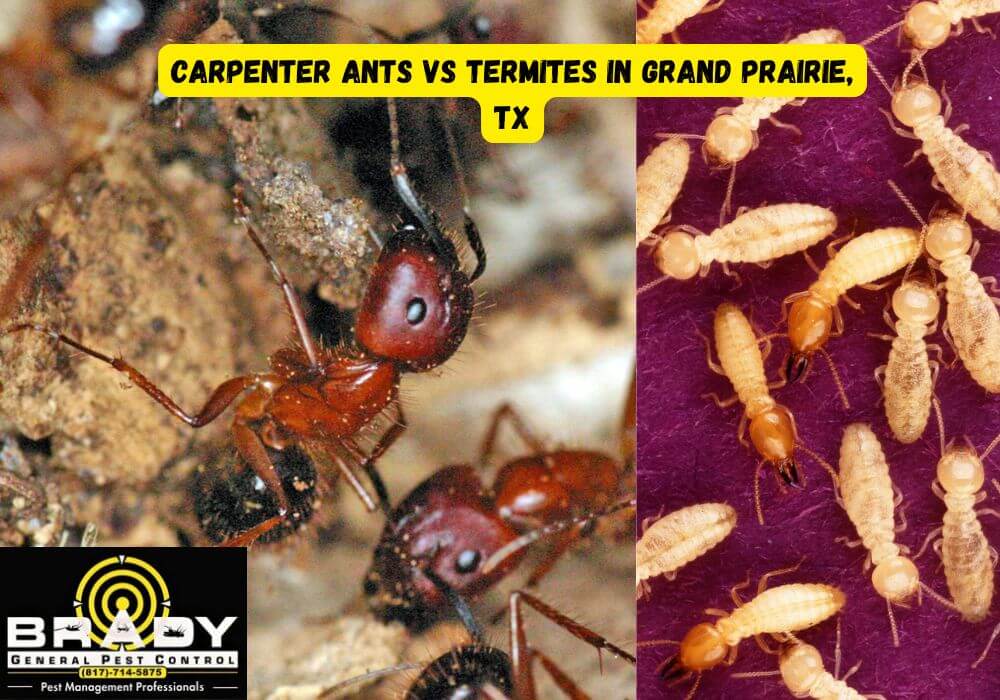
In Texas, carpenter ants and subterranean termites become highly active during warm, humid months, making them a serious concern for homeowners across the DFW area. While both pests target wooden structures, their behavior differs significantly. Carpenter ants tunnel through wood to create nests without consuming it, whereas termites feed on wood for cellulose, leading to severe and often costly structural damage.
Peak activity typically occurs between March and October, though in warmer regions of Texas, infestations can persist nearly year-round. Both pests are drawn to moisture-damaged wood, often indicating hidden issues like plumbing leaks or poor ventilation. Homeowners frequently notice early activity through signs similar to those discussed in early warning signs of termite infestations, making early detection critical.
Adding to the confusion, carpenter ants and termites often swarm around the same time, especially in spring. Understanding their differences is essential for choosing the correct treatment approach and avoiding unnecessary damage.
Why These Pests Are So Active in Texas
Climate and Seasonal Behavior
Texas provides the perfect conditions for wood-destroying insects due to:
- Extended warm seasons
- High humidity levels
- Frequent rainfall
Swarming activity is particularly noticeable in spring and early summer. Many homeowners report sudden infestations during termite swarm season in Grand Prairie, TX, especially after rain events.
Additionally, phenomena like why termites swarm after rain in Grand Prairie, Texas explain why you may suddenly see flying insects around lights or windows.
Moisture: The Hidden Trigger
Both carpenter ants and termites depend heavily on moisture:
- Damp wood makes it easier for carpenter ants to excavate
- Termites require moisture to survive and build colonies
Common moisture sources include:
- Leaky roofs and pipes
- Poor drainage systems
- Humid crawl spaces
Carpenter Ants vs Termites: How to Tell the Difference
Correct identification is critical because treatment methods for carpenter ants and termites are completely different.
For a detailed comparison, homeowners can review carpenter ants vs termites in Grand Prairie, TX, before taking action.
Key Differences at a Glance
| Feature | Carpenter Ants | Termites |
| Diet | Do not eat wood | Consume wood |
| Damage | Smooth tunnels | Rough, mud-filled tunnels |
| Antennae | Bent | Straight |
| Waist | Narrow | Thick |
| Wings | Uneven | Equal length |
Swarmers: A Common Confusion
Swarmers are often the first visible sign of infestation. However, many homeowners mistake one for the other.
- Carpenter ant swarmers are larger with bent antennae
- Termite swarmers are smaller with straight antennae and equal wings
Sightings of flying termites after rain are especially common in Texas and should never be ignored.
Signs of Carpenter Ant Activity
Carpenter ants are typically easier to detect than termites but can still cause structural weakening over time.
Common Signs
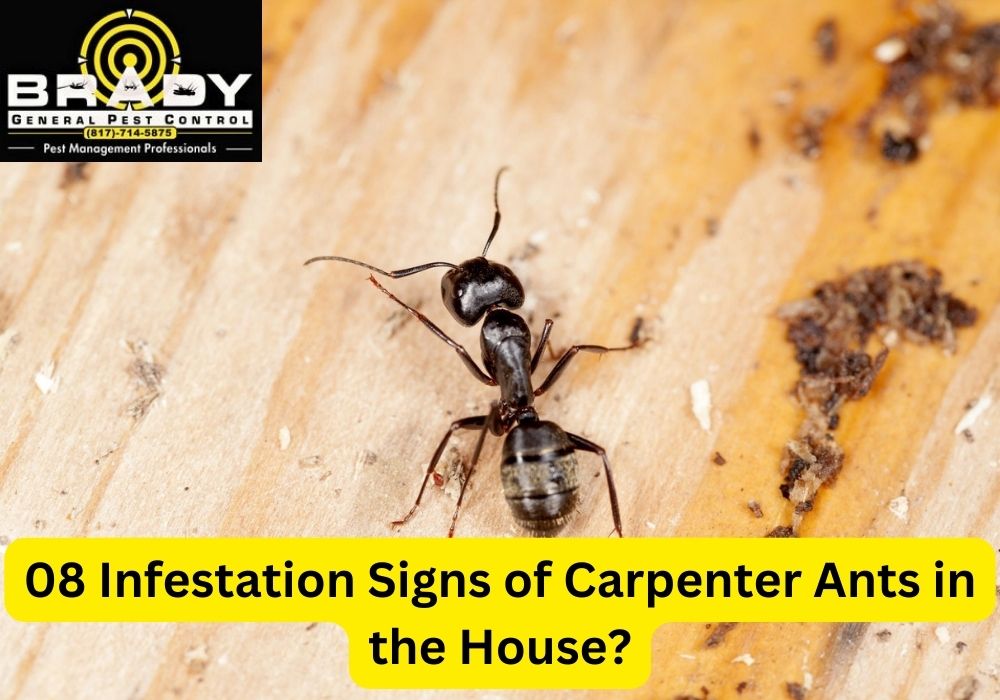
- Frass (sawdust-like material) near wooden areas
- Rustling noises inside the walls
- Large black ants appearing indoors
- Hollow-sounding wood
If you notice these issues, reviewing detailed signs of carpenter ants in house can help confirm an infestation.
Nesting Areas
Carpenter ants often nest in:
- Wall voids
- Attics
- Window frames
- Moist beams or decks
Signs of Termite Activity
Termites are more destructive because they eat wood continuously and often remain hidden until damage is severe.
Warning Signs
- Mud tubes along foundations
- Discarded wings near windows and doors
- Bubbling paint or warped wood
- Hollow-sounding structures
Formosan Termites in Texas
Formosan termites are among the most aggressive species in Texas:
- Swarm at night
- Are attracted to lights
- Form massive colonies quickly
Why You Might See Both at the Same Time
In Texas, it’s not uncommon to encounter both carpenter ants and termites simultaneously because:
- They thrive in similar environments
- Moisture attracts both pests
- Seasonal swarming overlaps
Prevention Tips for Texas Homes
Reduce Soil Contact
- Keep mulch at least 12 inches away from foundations
- Store firewood away from the house
Control Moisture
- Repair leaks immediately
- Improve ventilation in crawl spaces
- Use dehumidifiers where necessary
Maintain Landscaping
- Trim trees and shrubs regularly
- Prevent branches from touching your home
Stay Alert During Swarm Season
Swarming is often the first warning sign. Understanding patterns like termite swarm season in Grand Prairie, TX helps homeowners act quickly.
Professional Treatment Options
Carpenter Ant Control
Effective treatment includes:
- Locating and eliminating nests
- Targeted insecticide applications
- Fixing moisture issues
Learn more about professional carpenter ant treatments.
Termite Treatment Solutions
Termite control requires specialized strategies:
- Soil treatments
- Baiting systems
- Long-term monitoring
Explore expert termite control services for lasting protection.
For homeowners concerned about pricing, understanding termite treatment cost in Grand Prairie, TX can help you plan ahead.
You may also want to understand lifecycle stages like what baby termites look like to better identify infestations early.
Why DIY Treatments Often Fall Short
Many homeowners attempt DIY solutions, but these approaches often fail because:
- The pest is misidentified
- The colony is not fully eliminated
- The root cause (moisture) is not addressed
Professional pest control ensures:
- Accurate inspection
- Customized treatment plans
- Long-term prevention
Conclusion
Carpenter ants and termites are both serious threats to Texas homes, especially during peak activity months. While they may appear similar at first, their behavior, damage patterns, and treatment methods differ significantly. Early detection, proper identification, and professional intervention are essential to prevent costly structural damage.
Noticing swarmers, wood damage, or unusual pest activity around your home? Reach out to Brady Pest Control now for fast, reliable service across Grand Prairie, Arlington, Mansfield, and the DFW area.
FAQs
What is the main difference between carpenter ants and termites?
Carpenter ants tunnel through wood for nesting, while termites consume wood for food.
When are these pests most active in Texas?
They are most active from spring through fall, especially between March and October.
Are carpenter ants as destructive as termites?
No, termites cause more severe damage because they eat wood continuously.
What attracts these pests to a home?
Moisture, damp wood, and poor ventilation are the main attractants.
Can I handle infestations on my own?
DIY methods may provide temporary relief, but professional treatment is recommended for complete elimination.