

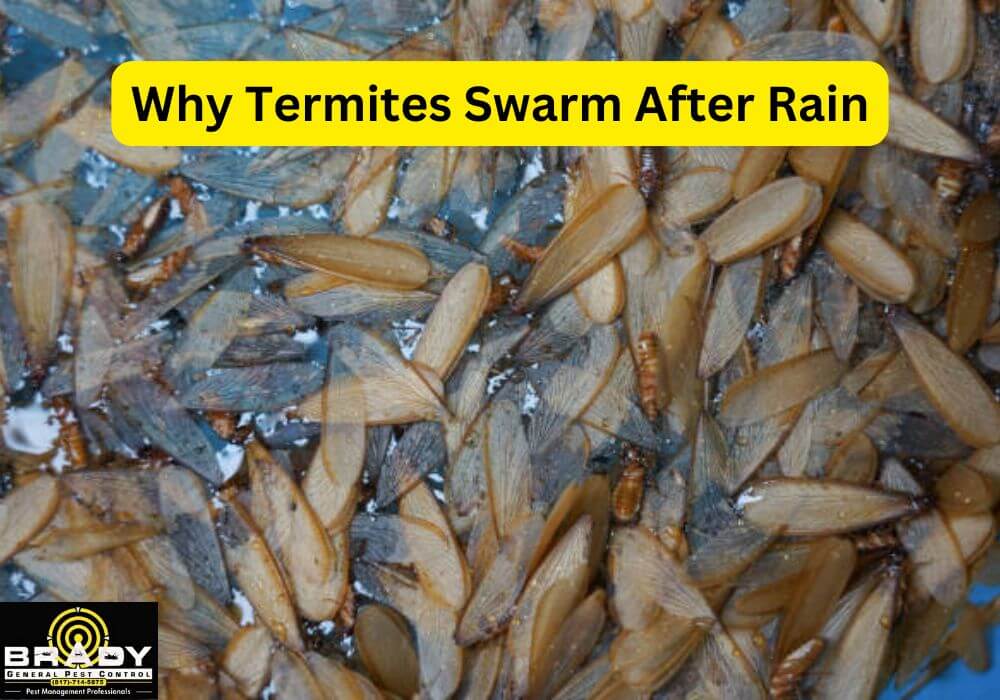
If you’ve ever noticed flying insects suddenly appearing around your home after a rainstorm, you may have witnessed a termite swarm. Many Texas homeowners are surprised to see these winged insects emerge in large numbers, especially near windows, doors, or outdoor lights. Understanding why termites swarm after rain in Texas is important for early detection and preventing costly structural damage.
Termites swarm in Texas after rain because the moisture softens the soil, making it easier for them to emerge from underground colonies. At the same time, the increased humidity protects them from drying out, which is important for their survival. These winged termites, known as swarmers or alates, typically emerge on warm, humid days following spring rains. Their appearance is a strong indicator that a mature termite colony is nearby or already established in or around your home.
Recognizing this behavior early allows homeowners to take proactive steps and seek professional termite treatment services in Texas before infestations worsen.
What Is a Termite Swarm?
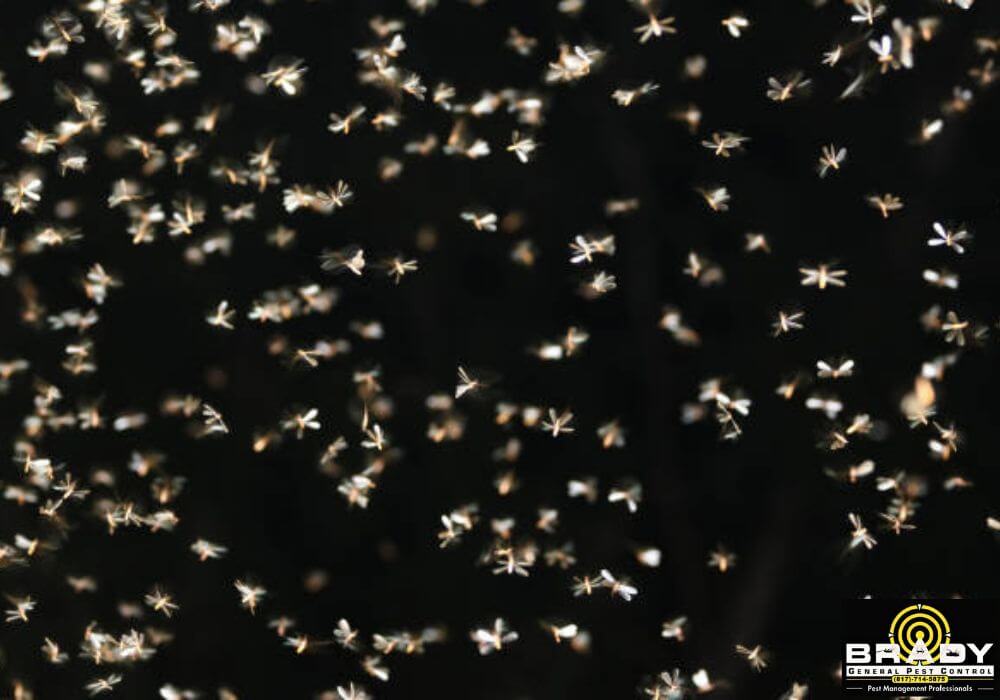
A termite swarm is a natural part of the termite life cycle. It occurs when a mature colony produces winged reproductive termites that leave the nest to mate and form new colonies.
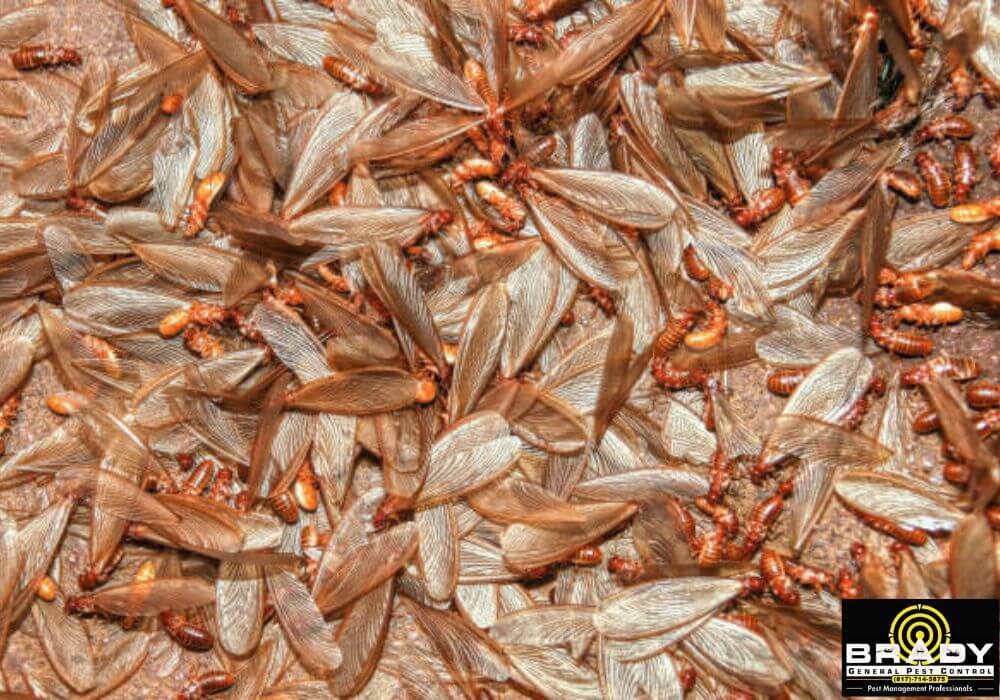
Key Characteristics of Termite Swarmers
- Winged insects that resemble flying ants
- Light brown or black bodies
- Straight antennae and equal-sized wings
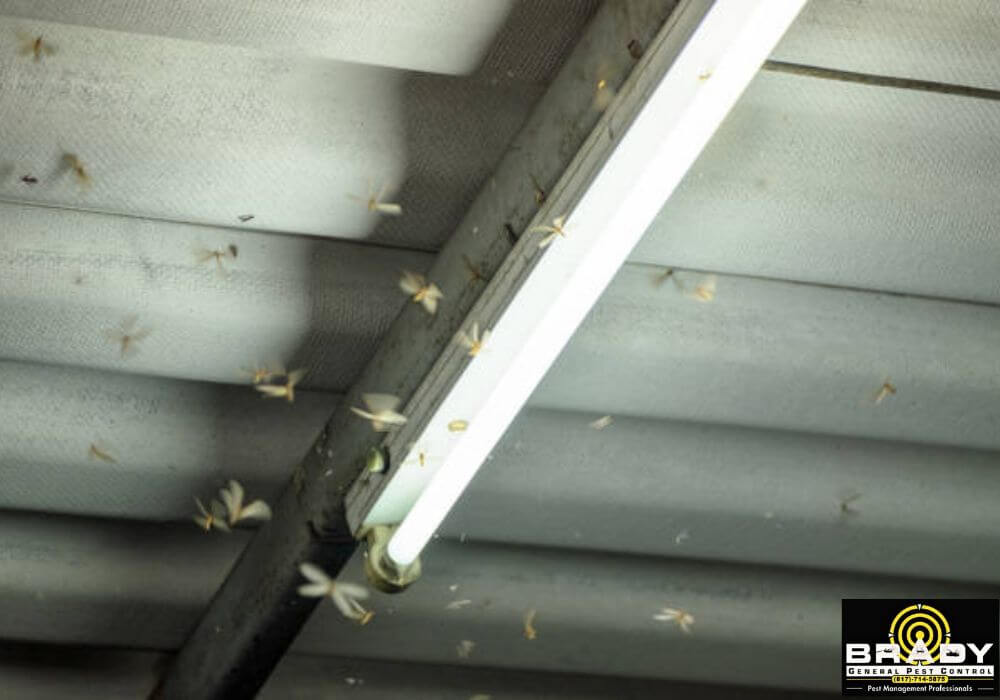
- Often found near light sources
Swarming is not random—it is triggered by environmental conditions, particularly moisture and temperature.
Why Termites Swarm After Rain in Texas
Rain creates the perfect conditions for termite swarming. Here’s why:
1. Moisture Softens the Soil
Subterranean termites live underground. After rainfall, the soil becomes softer, allowing swarmers to exit the colony more easily.
2. High Humidity Prevents Dehydration
Termites are highly sensitive to dry conditions. Rain increases humidity, helping swarmers survive long enough to reproduce and establish new colonies.
3. Warm Temperatures Trigger Activity
In Texas, spring brings warm weather combined with rain, creating ideal conditions for termite activity. This is why termite season Texas homeowners should watch for peaks after storms.
4. Synchronization of Swarming Events
Rainfall helps synchronize termite swarms, meaning large numbers of termites emerge at once, increasing their chances of successful reproduction.
When Do Termites Swarm in Texas?
The termite swarm season in Texas typically occurs between February and May, with peak activity in early spring after rainfall.
| Condition | Effect on Termites |
| Rainfall | Triggers emergence |
| High humidity | Prevents drying out |
| Warm temperatures | Increases activity |
| Calm winds | Helps swarmers travel |
Homeowners are most likely to see swarms in the evening or after a warm rain.
Signs of Termites After Rain
Seeing swarmers is not the only warning sign. Look for these indicators:
- Piles of discarded wings near windows or doors
- Mud tubes along walls or foundations
- Hollow or damaged wood
- Bubbling paint or warped surfaces
These signs suggest that termites may already be active inside your home.
Are Termite Swarms Dangerous?
Termite swarmers themselves do not bite or sting, but they signal a serious issue:
- Presence of a mature colony
- Risk of structural damage
- Potential for new infestations nearby
Ignoring swarms can lead to costly repairs over time.
How to Stop Termite Swarming
While you can’t completely stop swarming, you can reduce the risk of infestations:
Reduce Moisture Around Your Home
- Fix leaks in pipes and roofs
- Ensure proper drainage
- Keep gutters clean
Seal Entry Points
- Close cracks in foundations
- Seal gaps around windows and doors
Eliminate Wood-to-Soil Contact
- Keep firewood away from your home
- Avoid direct contact between soil and wooden structures
Schedule Professional Inspections
Regular inspections are key to early detection and prevention.
Professional Termite Treatment in Texas
DIY methods are often not enough to eliminate termites. Professional pest control offers:
- Comprehensive inspections
- Targeted treatment plans
- Long-term prevention strategies
Common professional treatments include:
- Liquid termiticides to create a barrier
- Baiting systems to eliminate colonies
- Preventative treatments for long-term protection
Working with experts like Brady Pest Control ensures your home is protected from hidden termite activity.
Does Rain Affect Termite Treatment?
Rain can influence termite treatments, but modern solutions are designed to remain effective.
- Liquid treatments bond with soil and are not easily washed away
- Bait systems continue working regardless of weather
- Timing treatments before or after rain improves effectiveness
Professional pest control companies adjust treatments based on weather conditions to ensure optimal results.
How to Prevent Termites from Coming Back
Long-term prevention is essential for Texas homeowners:
- Schedule annual termite inspections
- Maintain proper ventilation in crawl spaces
- Remove excess moisture
- Use preventative termite barriers
Consistent maintenance reduces the risk of reinfestation.
Conclusion
Understanding why termites swarm after rain in Texas helps homeowners recognize early warning signs of potential infestations. Rain provides the ideal combination of moisture, humidity, and temperature that termites need to emerge and reproduce.
If you notice termite swarmers around your home after a storm, it’s important to act quickly. These insects are not just a temporary nuisance—they indicate a nearby colony that could cause serious structural damage.
Don’t wait until the problem worsens. Contact Brady Pest Control today for professional termite inspection and treatment services. Early action can save you time, money, and stress while protecting your Texas home year-round.
FAQs
Is it normal for termites to swarm after treatment?
Yes, some swarmers may appear after treatment, but activity should decrease over time.
Will rain affect termite treatment?
Modern treatments are designed to withstand rain and remain effective.
What is the biggest enemy of termites?
Professional termiticides and natural predators like ants are major threats to termites.
Do termite swarmers come out after rain?
Yes, rain and humidity trigger termite swarming activity.
How to stop termite swarming?
Reduce moisture, seal entry points, and use professional pest control treatments.
How to know if termites are gone after treatment?
No new damage, absence of swarmers, and professional inspection confirm elimination.
What smell do termites hate most?
Termites dislike strong scents like cedarwood and orange oil.
What is a termite’s worst enemy?
Chemical treatments and natural predators like ants.
How to prevent termites from coming back?
Regular inspections, moisture control, and preventative treatments help.
Why do termites swarm when it rains?
Rain softens soil and increases humidity, making it easier for termites to emerge and survive.
Does rain affect termite treatment?
No, most professional treatments are designed to remain effective even after rain.
Are termite swarms in Texas?
Yes, termite swarms are common in Texas, especially during spring.
What causes termite swarms?
Warm temperatures, moisture, and colony maturity trigger swarming.
What kills a termite swarm?
Professional treatments like liquid termiticides and bait systems eliminate swarms.
What is the biggest enemy of termites?
Effective pest control treatments and natural predators like ants.