

As winter fades and temperatures begin to climb, Texas homeowners often notice a sudden increase in insect activity. March is one of the first months when warm weather pest problems in Texas begin to appear, and many insects that stayed hidden during winter start emerging again. Warmer temperatures and rising humidity create the perfect environment for pests to search for food, water, and places to nest.
In fact, pest activity typically increases in March because many insects are coming out of winter dormancy. During this time, termites begin swarming, ants become highly active, mosquitoes start breeding, and wasps begin building nests. The combination of warm days and mild nights encourages insects to expand their colonies and invade homes. Termite swarms and fire ant activity especially accelerate during this time of year.
For Texas homeowners, understanding which pests appear in early spring is the first step toward preventing infestations. Knowing the warning signs and scheduling early treatments can help keep pest populations under control before they grow during the hotter summer months. This guide explains the most common March pests in Texas, why they appear during warm weather, and how homeowners can protect their property.
Why Pest Activity Increases in March in Texas
Texas has a climate that supports pest activity nearly year-round, but March is when many pests become noticeably active again. Insects that survived winter begin to expand their colonies and search for new nesting sites.
Several environmental factors contribute to spring pest activity in Texas:
- Rising temperatures that wake dormant insects
- Increased humidity that supports breeding and nesting
- More food sources available in gardens and landscapes
- Longer daylight hours encourage insect movement
Because many pests reproduce quickly once warm weather begins, early prevention is critical. Professional Grand Prairie pest control services often recommend inspections and treatments before infestations grow out of control.
Termites in March: The Start of Swarming Season

Termites are one of the most serious pests Texas homeowners face. Spring is when termite colonies produce winged swarmers that leave their nests to establish new colonies.
Why Termites Swarm in March
Subterranean termites, the most common species in Texas, swarm when temperatures rise and moisture levels increase. After rain and warm weather, termite swarmers often emerge in large numbers.
These flying termites are attracted to lights and may appear near windows, doors, and outdoor lighting.
Early Signs of Termite Activity
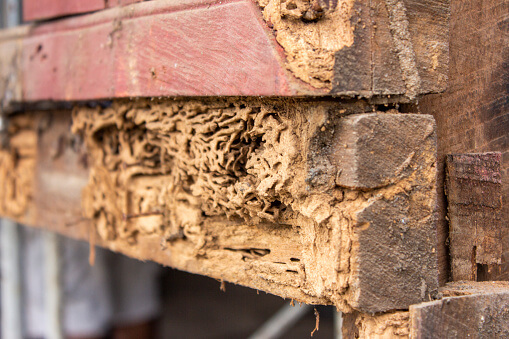
Homeowners should watch for these warning signs of termite infestations:
- Small piles of discarded wings near windows or doors
- Mud tubes along foundations or walls
- Wood that sounds hollow when tapped
- Blistering paint or bubbling drywall
Catching these signs early can prevent severe structural damage.
Preventing Termite Problems
To reduce termite risks:
- Keep wood and mulch away from the home’s foundation
- Repair leaking pipes or moisture issues
- Store firewood away from the house
- Schedule annual termite inspections
Professional termite treatment services in grand prairie, tx often include baiting systems or protective liquid barriers designed to eliminate colonies and prevent new infestations.
Ant Activity in Texas During March
Ants are among the most common pests seen in early spring. As the soil warms, ant colonies become more active and begin searching for food.
Why Ants Appear in Early Spring
Ants spend much of winter underground where temperatures remain stable. When spring arrives, worker ants emerge to gather food for the colony.
Common ants in Texas include:
- Fire ants
- Carpenter ants
- Odorous house ants
- Pavement ants
Fire ants are especially aggressive and can pose risks to pets and people due to their painful stings.
Where Ants Enter Homes
Ants often enter through small cracks and gaps around:
- Windows and doors
- Utility lines
- Foundation cracks
- Kitchen and bathroom plumbing
Ant Prevention Tips
Homeowners can reduce ant problems by:
- Cleaning up food spills immediately
- Sealing cracks around entry points
- Keeping outdoor trash bins closed
- Removing standing water
Professional pest control companies often use bait systems that target the entire colony rather than just visible ants.
Mosquitoes Begin Breeding in March
Mosquito populations begin to increase in early spring when temperatures rise and standing water becomes more common after rain.
Why Mosquitoes Thrive in Warm Weather
Mosquitoes require water to lay their eggs. Even small amounts of standing water can become breeding grounds.
Common breeding sites include:
- Birdbaths
- Flowerpots
- Clogged gutters
- Ponds and drainage areas
Because Texas often experiences warm and humid spring weather, mosquito populations can grow rapidly.
Reducing Mosquito Activity Around Homes
To control mosquitoes:
- Remove standing water from containers
- Clean gutters regularly
- Maintain swimming pools
- Use outdoor lighting that attracts fewer insects
Professional mosquito treatments can also reduce mosquito populations around yards and outdoor living spaces.
Wasps Start Building Nests in Spring
Another common warm weather pest problem in Texas is the appearance of wasps. March is when queen wasps emerge from winter shelter and begin building new nests.
Why Wasps Are Active in March
During winter, most wasps die off except for fertilized queens that hide in protected areas. When spring arrives, these queens start building small nests and laying eggs.
Early in the season, nests may contain only a few wasps. However, by summer they can grow large and aggressive.
Common Wasps in Texas
Homeowners may encounter:
- Paper wasps
- Yellowjackets
- Mud daubers
These insects often build nests under roof eaves, decks, and outdoor structures.
Wasp Prevention Tips
To avoid wasp infestations:
- Inspect rooflines and patios regularly
- Remove small nests early
- Keep outdoor garbage sealed
- Avoid leaving sugary foods outdoors
Professional wasp removal is recommended if nests become large or are located in difficult areas.
Pest Activity Timeline for Texas Spring
Understanding when different pests become active helps homeowners prepare for seasonal pest problems.
| Month | Common Pest Activity | Recommended Action |
| February | Early termite movement, ant activity | Begin pest inspections |
| March | Termites swarm, ants forage, wasps build nests | Start preventative treatments |
| April | Mosquito populations increase | Remove standing water |
| May | Roaches and summer pests expand | Maintain pest control plan |
Following a seasonal pest control plan helps keep infestations under control before summer brings even higher pest populations.
Why Early Pest Control Is Important
Many pest infestations begin small and grow rapidly when left untreated. Early treatments during March can prevent pests from multiplying later in the year.
Benefits of early spring pest control in Texas include:
- Stopping infestations before they grow
- Preventing structural damage from termites
- Reducing health risks from pests
- Protecting homes and outdoor spaces
Regular pest inspections also help detect hidden infestations that homeowners might miss.
Protect Your Home from Spring Pest Problems
Warm-weather pest problems in Texas often begin in March as insects become more active. Termites start swarming, ants search for food, mosquitoes begin breeding, and wasps build nests around homes. Without early prevention, these pests can quickly multiply and cause serious problems.
Taking action early is the best way to keep pest populations under control throughout the spring and summer seasons.
If you are noticing signs of pests around your home, the experienced team at Brady Pest Control can help. Our professionals provide thorough inspections, targeted treatments, and preventative pest control solutions designed specifically for Texas homes.
Contact Brady Pest Control today to schedule a spring pest inspection and protect your home from seasonal infestations.
FAQs
What bugs are around in March?
Common bugs seen in March include termites, ants, mosquitoes, and wasps. These pests become active as temperatures rise during early spring.
What bugs are in Texas summer?
During summer, Texas homeowners commonly encounter mosquitoes, cockroaches, ants, termites, and wasps because warm and humid conditions allow pests to thrive.
Do bugs come out in March?
Yes, many insects emerge in March as warmer temperatures wake them from winter dormancy.
What time of year are pests most active?
Pests are generally most active during spring and summer when warm weather supports breeding and colony growth.
What smell do bugs hate the most?
Many insects dislike strong scents such as peppermint, citronella, eucalyptus, and citrus.
What are the first signs of termites in your home?
Early signs include discarded wings near windows, mud tubes along walls, hollow-sounding wood, and small holes in wooden structures.
What kills termites immediately?
Professional termite treatments such as liquid termiticides and bait systems are the most effective solutions for eliminating termite colonies.
What is a termite’s worst enemy?
Termites are most effectively controlled by professional pest treatments and natural predators such as ants in some environments.
What are the red flags for termites?
Warning signs include termite swarms, mud tubes, damaged wood, blistering paint, and hollow-sounding wooden structures.