
Don’t let ants construct their new home in your house. Contact Brady Pest Control for reliable ant control and extermination services in Grand Prairie, TX. Fill in our form or dial (817)714-5875 now. We are here to guide you on how to clear your space of ants.
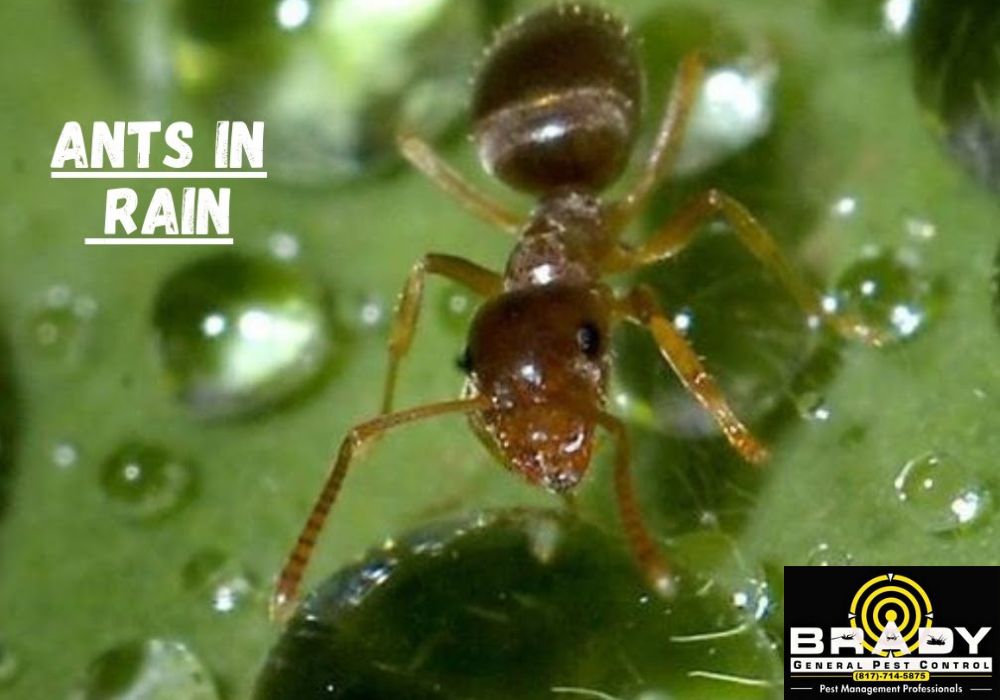
If you live in Grand Prairie, TX, you may have noticed an unusual increase in ants inside your home shortly after a rainstorm. Many homeowners experience this problem during periods of heavy rainfall and assume it’s just a coincidence. However, there is a clear reason why ants suddenly appear indoors after rain.
The extent of any ant infestation is to be determined. Brady Pest Control offers customized treatment plans for controlling and preventing ant activity. We specialize in controlling various types of ants including;
Seeing ants indoors after rain in Grand Prairie, TX is common because heavy rainfall floods their underground nests, forcing them to seek higher, drier ground. When their tunnels and colonies become saturated with water, ants quickly relocate to safer areas. Unfortunately, homes often provide the perfect shelter. These nuisance ants enter through small cracks in foundations, window frames, doors, or utility openings. Inside, they search for dry shelter, food sources that may have been washed away outdoors, and protection from flooded soil conditions.
In North Texas cities like Grand Prairie, Arlington, and Dallas, sudden rainstorms can trigger rapid ant activity. Understanding why this happens and how ants behave during wet weather can help homeowners take the right steps to prevent infestations before they become a bigger problem.
Call us at (817) 714-5875 or fill out our form. Brady Pest Control will manage all of your fire ant issues.
Why Rain Drives Ants Indoors?
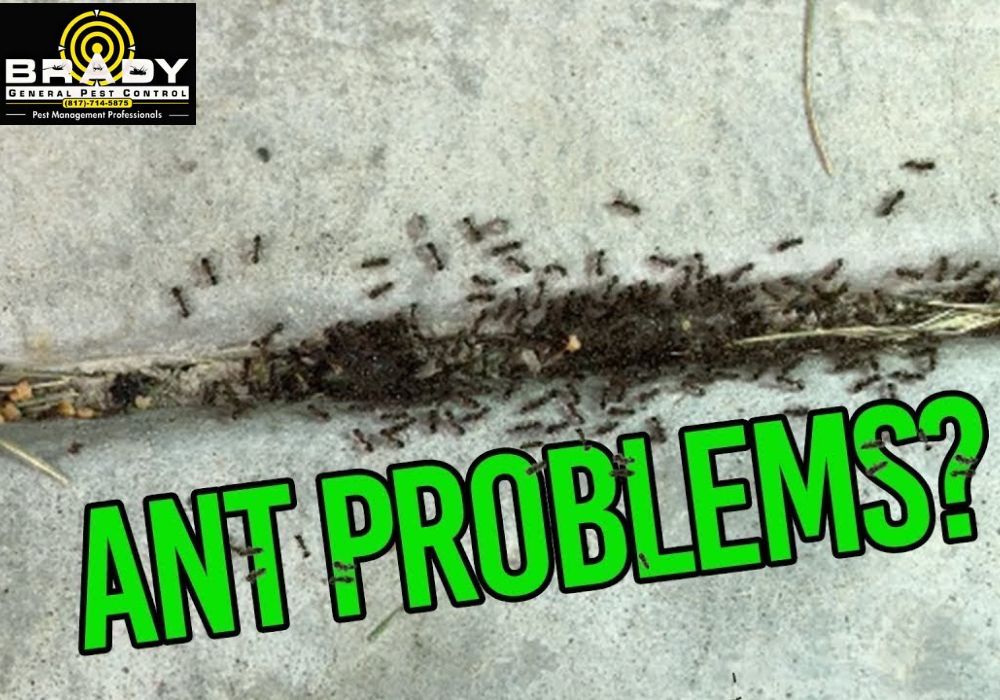
Ant colonies are typically built underground. These nests contain complex tunnel systems that allow ants to store food, raise young, and protect the queen. While these structures are designed to handle normal soil moisture, heavy rainfall can overwhelm them.
When rain floods their nests, ants must quickly evacuate and find dry ground to survive. Homes provide ideal conditions because they offer:
- Warm and dry shelter
- Reliable food sources
- Protection from predators and weather
Once ants locate a small opening in a building’s structure, they can quickly establish trails that lead the rest of the colony indoors.
Common Entry Points for Ants
After rainstorms, ants may enter homes through:
- Cracks in foundations
- Gaps around doors and windows
- Plumbing or utility line openings
- Attic vents or roof gaps
- Damaged weather stripping
Even openings as small as a few millimeters can allow ants to enter and begin searching for food.
Types of Ants Commonly Seen Indoors in Grand Prairie, TX
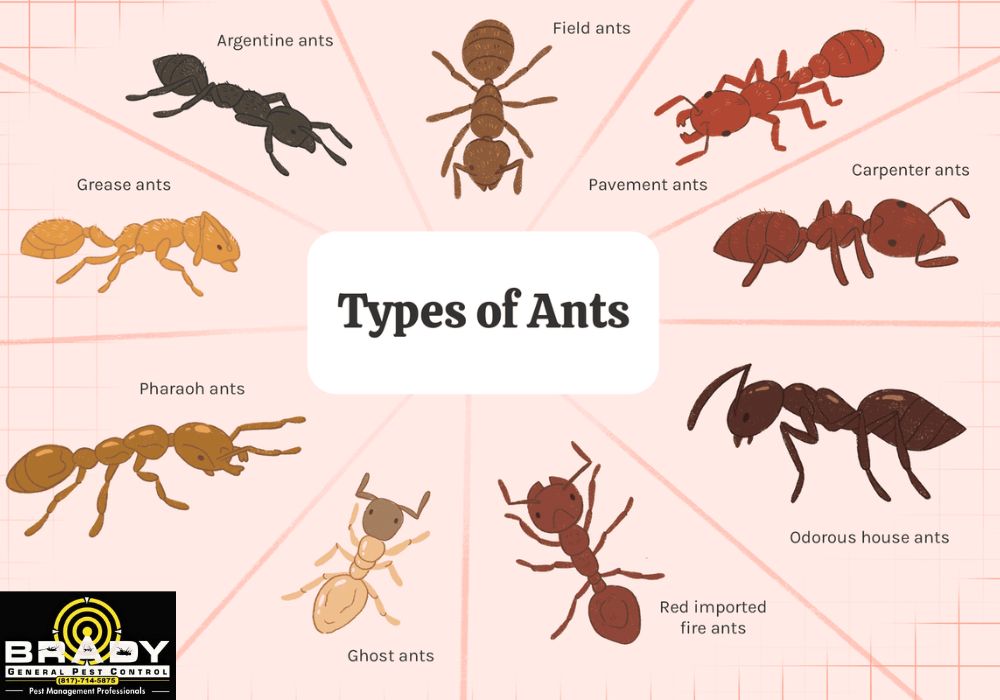
Several species of ants are common in North Texas and may invade homes after rain.
Odorous House Ants
These small brown ants are among the most common indoor ants. They are attracted to sugary foods and are often found in kitchens.
Fire Ants
Fire ants typically live outdoors but may enter garages or homes after heavy rain when their mounds flood.
Carpenter Ants
Carpenter ants prefer damp wood and may move into homes after storms if moisture creates suitable nesting areas.
Pavement Ants
These ants usually nest under sidewalks or driveways but may move indoors when soil becomes saturated.
Understanding which ant species you are dealing with can help determine the best treatment approach.
Why Ant Activity Increases in North Texas After Rain
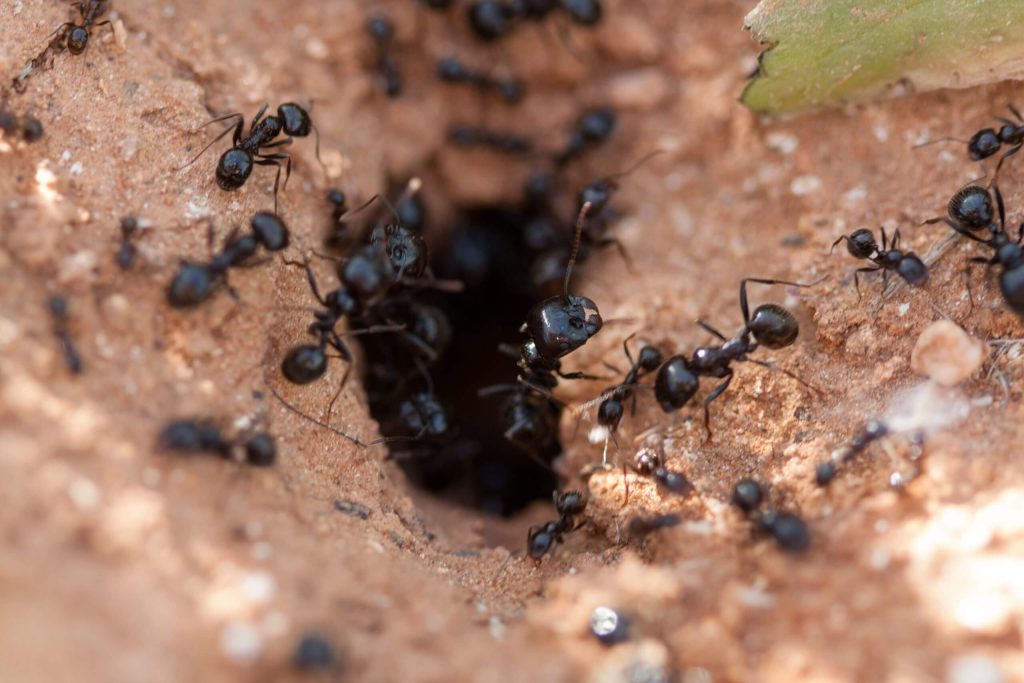
Rain doesn’t just force ants out of their nests—it also changes their behavior. Several environmental factors contribute to increased indoor activity.
Flooded Nests
Heavy rain can destroy ant tunnels and chambers. Workers must relocate the colony quickly to protect the queen and larvae.
Food Sources Washed Away
Rain can remove natural food sources outdoors. Ants then move indoors to search for alternatives.
Softer Soil
Moist soil makes it easier for ants to dig new tunnels and expand colonies closer to homes.
Warmer Temperatures
Spring and summer rainstorms in Texas often occur during warm weather, which increases insect activity overall.
Because of these factors, homeowners in Grand Prairie often notice ants appearing suddenly in large numbers.
Signs That Ants Are Establishing a Colony Indoors
Occasionally seeing one or two ants indoors is not unusual. However, repeated sightings or large numbers may indicate that ants are nesting nearby.
Common signs include:
- Long ant trails along walls or countertops
- Ants gathering around food or crumbs
- Small piles of dirt near cracks or baseboards
- Ants emerging from wall gaps or outlets
If these signs appear after a rainstorm, the colony may have moved closer to your home.
Practical Steps to Stop Ants from Coming Inside
Homeowners can reduce the risk of ant infestations by addressing the conditions that attract them.
Seal Entry Points
Inspect your home for cracks and openings. Seal gaps around windows, doors, pipes, and foundations.
Keep Kitchens Clean
Food crumbs and spills attract ants quickly. Wipe counters regularly and store food in sealed containers.
Reduce Outdoor Moisture
Standing water near your home can attract pests. Ensure proper drainage around the foundation.
Trim Vegetation
Plants and tree branches touching your home can act as bridges for ants.
Remove Outdoor Food Sources
Pet food, garbage bins, and compost piles can attract ants near your home.
These steps can help prevent ants from entering, but severe infestations often require professional pest control treatment.
Why DIY Ant Control Often Fails
Many homeowners try to control ants using store-bought sprays or home remedies. While these methods may kill visible ants, they often fail to eliminate the colony.
Spraying ants directly only removes the worker ants that you see. The queen and the rest of the colony remain hidden in the nest and continue producing more workers.
Professional pest control focuses on eliminating the entire colony rather than just surface activity.
Professional Ant Control in Grand Prairie, TX
Experienced pest control technicians understand ant behavior and nesting habits in North Texas. Professional treatments typically include:
- Identifying the ant species
- Locating the nesting area
- Applying targeted bait treatments
- Creating protective barriers around the home
These treatments eliminate the colony and prevent new infestations from developing.
Seasonal Ant Activity in Grand Prairie
The climate in Grand Prairie supports ant activity throughout most of the year, but infestations often increase during certain seasons.
| Season | Ant Activity |
| Spring | Colonies expand and search for food |
| Summer | Peak ant activity and indoor invasions |
| Fall | Colonies store food before winter |
| Winter | Activity slows but may continue indoors |
Rainstorms during spring and summer are particularly likely to trigger indoor ant invasions.
When to Call a Pest Control Professional

If ants continue appearing inside your home after rain, it may indicate a nearby colony that needs professional treatment.
You should consider contacting pest control professionals if:
- Ants keep returning despite cleaning and sealing gaps
- You notice large ant trails indoors
- Ants appear in multiple areas of your home
- Fire ants or carpenter ants are present
Early intervention prevents the colony from expanding and reduces the risk of long-term infestations.
Protect Your Home from Ants in Grand Prairie
Seeing ants indoors after rain is a common problem for homeowners in Grand Prairie and other parts of North Texas. Flooded nests, lost food sources, and saturated soil drive ants to seek shelter indoors, where they quickly locate food and moisture.
By sealing entry points, keeping homes clean, and addressing moisture problems, homeowners can reduce the likelihood of infestations. However, persistent ant activity often requires professional treatment to eliminate the colony completely.
If you are dealing with ants indoors after rain in Grand Prairie, TX, the experienced team at Brady Pest Control can help. Our trained professionals provide effective ant control treatments designed specifically for Texas pests and weather conditions. Contact Brady Pest Control today to schedule an inspection and keep your home protected from ants and other common pests.
FAQs
Why are there ants in my house after it rains?
Heavy rain floods underground ant nests, forcing ants to search for dry shelter. Homes provide warmth, food, and protection, making them ideal places for ants to relocate.
How to stop ants from coming inside when it rains?
Seal cracks in foundations and walls, keep kitchens clean, eliminate moisture sources, and remove food that may attract ants.
Why do flying termites suddenly appear after rain?
Flying termites often swarm after rain because moisture and warm temperatures create ideal conditions for reproduction and new colony formation.
What weather attracts ants?
Warm temperatures combined with moisture often increase ant activity. Rainstorms followed by warm weather frequently drive ants indoors.
What smell do ants hate the most?
Ants tend to dislike strong scents such as peppermint, vinegar, citrus, and eucalyptus, though these methods alone may not eliminate infestations.
What do ants do when it rains?
Ants move to higher ground to avoid flooded nests. If natural shelter is unavailable, they may enter buildings for protection.
What is an ant’s worst enemy?
Natural predators such as spiders, birds, and certain insects feed on ants, while professional pest control treatments are the most effective way to eliminate colonies.
Why do I suddenly have ants in my house?
Sudden ant activity is often caused by changes in weather, nearby construction, or the discovery of a food source inside the home.
Why shouldn’t you squish ants in your house?
Squishing ants can release pheromones that signal other ants to follow the same trail, potentially attracting more ants into your home.