
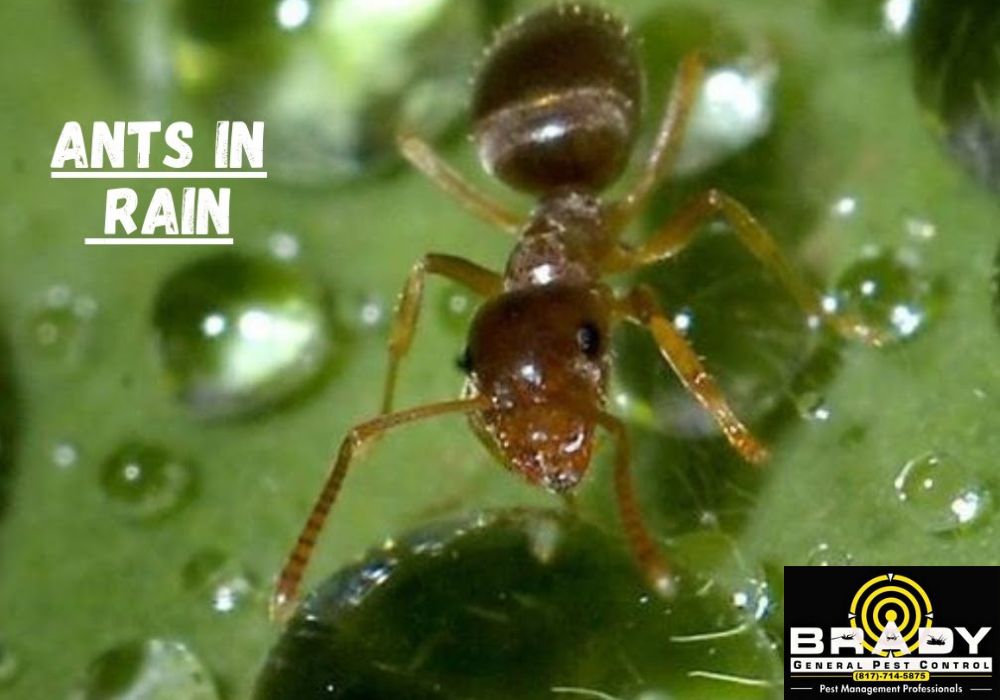
Spring in Texas brings longer days, blooming plants, and unfortunately, a noticeable increase in ant activity inside homes. Many homeowners begin seeing trails of ants along kitchen counters, near sinks, or entering through tiny cracks around doors and windows. This seasonal surge happens because ants become highly active in warmer weather and start searching for food, water, and nesting areas.
As temperatures rise across Texas, ant colonies expand rapidly and worker ants begin invading homes. They are often drawn indoors by crumbs, sugary foods, moisture, and even pet food. While some homeowners attempt to solve the problem with DIY sprays or home remedies, these methods often only eliminate visible ants while the main colony continues thriving behind walls or underground. Read Our Latest post on How to Get Rid of Tiny Ants In The Kitchen?
Brady Pest Control advises homeowners to consider professional pest control services during spring because trained technicians use specialized knowledge, advanced tools, and targeted treatments to eliminate entire colonies. Unlike temporary DIY solutions, professional treatments focus on locating nests, identifying ant species, and applying safe, effective products that prevent future infestations.
Understanding why ants invade homes in spring and how professional pest control works can help Texas homeowners protect their properties before small infestations turn into larger problems. Our Latest post on How To Get Rid Of Tiny Ants In House with Methods That Work.
Why Ant Activity Increases in Texas During Spring
Ants are active year-round in many parts of Texas due to the warm climate, but their activity peaks in spring. During winter, many ant colonies remain hidden underground or inside protected areas where temperatures stay stable. Once spring arrives, colonies expand quickly as worker ants search for food to support the growing population.
Several factors contribute to increased ant invasions during spring:
- Warmer soil temperatures that trigger colony expansion
• Increased rainfall that pushes ants toward higher ground and homes
• Greater availability of food sources indoors
• Rapid reproduction cycles within colonies
In many Texas cities, pest control professionals observe a significant increase in ant calls between March and May. This period is often referred to as ant season in Texas, when homeowners begin seeing large numbers of ants indoors.
Common Types of Ants Found in Texas Homes
Texas is home to several species of ants, and each behaves differently when invading homes. Identifying the species is important because treatment strategies can vary depending on the type of ant involved.
Fire Ants
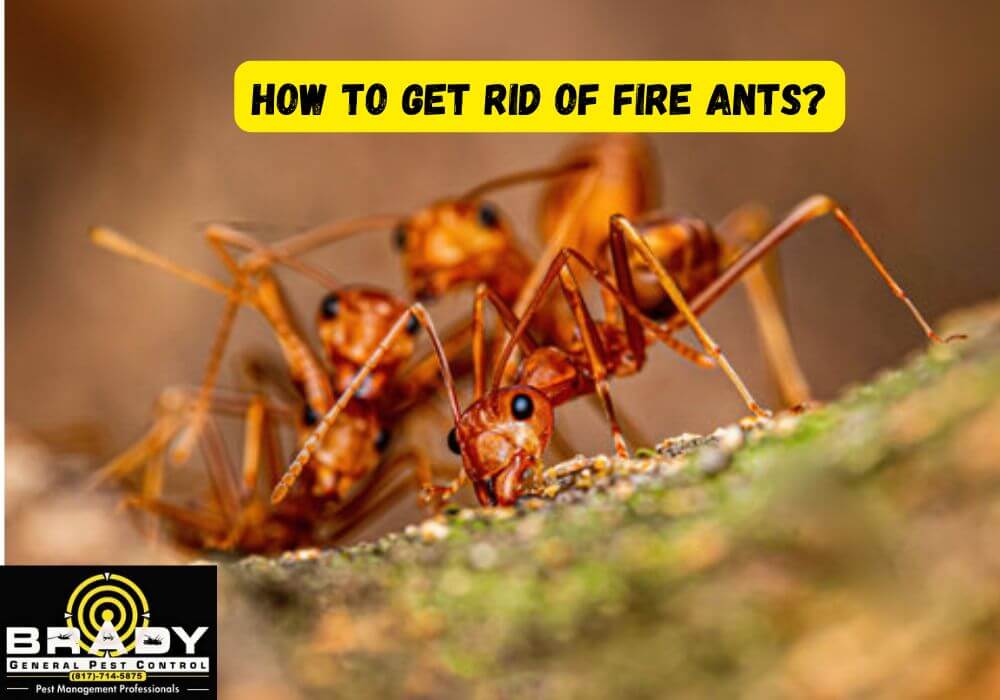
Fire ants are among the most well-known ants in Texas. While they typically build large mounds outdoors, they may enter homes during heavy rain or extreme heat.
Key characteristics include:
- Reddish-brown color
• Aggressive behavior when disturbed
• Painful stings
Carpenter Ants
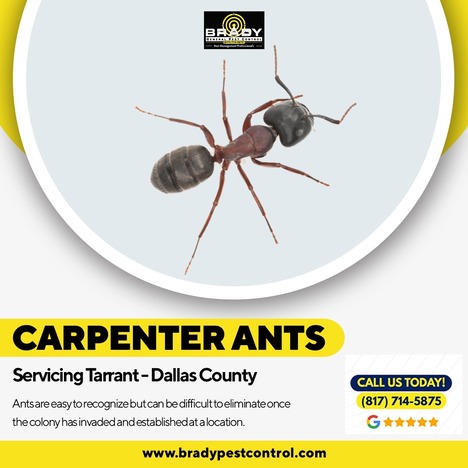
Carpenter ants can cause structural damage because they tunnel through wood to create nests.
Signs of carpenter ants include:
- Sawdust-like debris near wooden structures
• Large black or red ants inside the home
• Hollow-sounding wood
Odorous House Ants
These ants are common indoor invaders and are known for the unpleasant smell they release when crushed.
They are often attracted to:
- Sugary foods
• Kitchen surfaces
• Food spills
Pavement Ants
Pavement ants frequently nest in cracks in sidewalks, driveways, and foundations. From there, they can easily enter homes through small openings.
Understanding which species is present helps pest control professionals develop an effective treatment plan.
Why DIY Ant Treatments Often Fail? ant
Many homeowners attempt to control ants using sprays, vinegar solutions, or store-bought traps. While these methods may kill ants temporarily, they rarely eliminate the entire colony.
Ant colonies can contain thousands of worker ants and multiple queens, which means killing a few visible ants does little to stop the infestation.
Common problems with DIY ant control include:
- Only treating visible ants rather than the nest
• Using products that repel ants but do not eliminate colonies
• Failing to identify the specific ant species
• Missing hidden entry points around the home
For example, when homeowners spray ants with insecticides, the surviving ants may split into multiple colonies in a process called budding, which can actually worsen the infestation.
Why Professional Ant Control Is More Effective?

Hiring a professional pest control company provides a much more comprehensive solution for ant infestations.
Experienced pest control technicians follow a systematic process to eliminate ants and prevent future problems.
Professional Ant Control Process
- Inspection
Technicians perform a detailed inspection of the property to identify entry points, nesting areas, and food sources. - Species Identification
Different ants require different treatment strategies, so identifying the species is essential. - Targeted Treatments
Professionals use specialized products such as bait systems and barrier treatments that eliminate entire colonies. - Prevention Strategies
Experts recommend steps homeowners can take to reduce the risk of future infestations.
This approach ensures that the source of the infestation is addressed rather than just the symptoms.
Common Entry Points for Ants in Texas Homes
Ants are incredibly small and can enter homes through extremely tiny openings. Some of the most common entry points include:
- Cracks in foundations
• Gaps around doors and windows
• Plumbing openings
• Utility line entry points
• Roof vents and attic openings
Because these entry points are often difficult to locate, professional inspections play an important role in preventing repeat infestations.
Practical Prevention Tips for Texas Homeowners
While professional treatments are the most effective solution, homeowners can also take steps to reduce the likelihood of ant invasions.
Indoor Prevention Tips
- Wipe down kitchen surfaces regularly
• Store food in airtight containers
• Clean up spills immediately
• Avoid leaving pet food out overnight
Outdoor Prevention Tips
- Trim vegetation touching the home
• Seal cracks in foundations
• Keep garbage bins sealed
• Remove standing water sources
Combining these prevention strategies with professional pest control significantly reduces ant problems.
Why Spring Is the Best Time for Ant Control in Texas
Spring is the ideal time to treat ant infestations because colonies are just beginning to expand. Eliminating colonies early in the season prevents them from growing larger during the hot summer months.
Professional pest control treatments during spring help:
- Stop infestations before colonies spread
• Reduce the number of ants entering homes
• Prevent multiple nests from forming around the property
Many pest control experts recommend scheduling seasonal inspections as part of a preventative pest control plan for Texas homes.
Field Insights From Brady Pest Control Technicians
Pest control professionals often notice patterns in ant infestations during spring. Technicians commonly find nests located:
- Under concrete slabs
• Inside wall voids
• Beneath landscaping stones
• Near plumbing lines
Because these areas are hidden, homeowners may not realize how large the colony has become until ants appear indoors.
Using professional equipment and targeted treatments allows technicians to eliminate these hidden nests effectively.
When to Call a Professional Pest Control Company
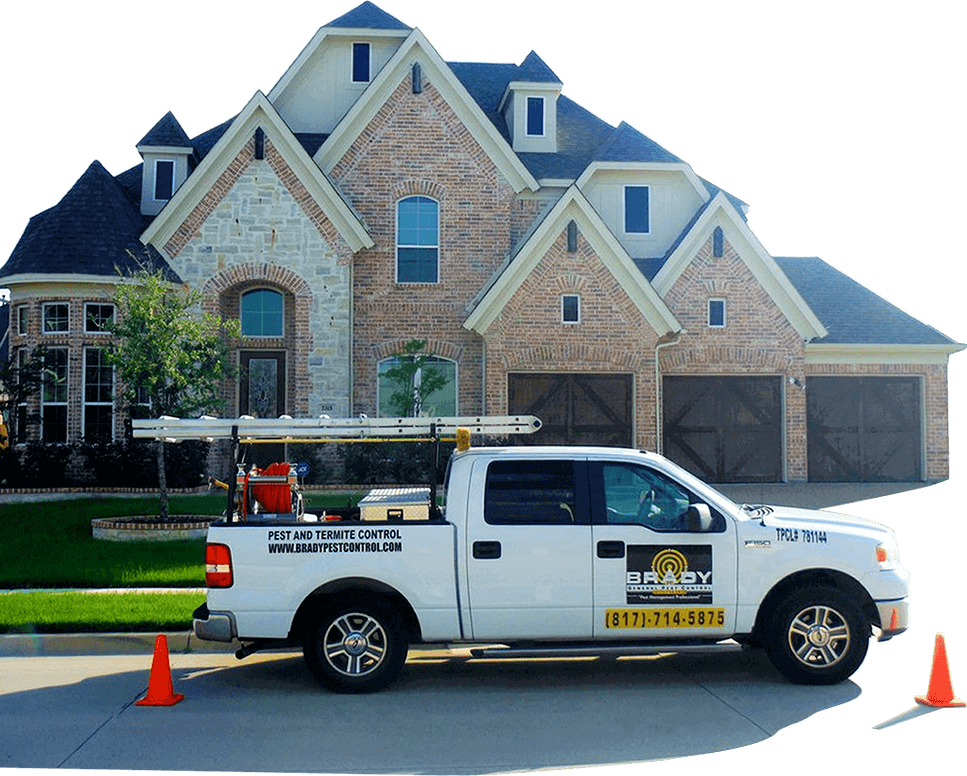
Homeowners should consider contacting pest control professionals if they notice:
- Persistent ant trails inside the home
• Ants appearing in multiple rooms
• Large numbers of ants after cleaning
• Outdoor ant mounds near the home’s foundation
Early intervention helps prevent infestations from becoming more serious.
Protect Your Home With Professional Ant Control
Ant infestations can quickly become frustrating for homeowners, especially during spring when colonies expand rapidly. While temporary solutions may reduce visible ants, they rarely eliminate the source of the problem.
Professional pest control services offer the expertise, tools, and targeted treatments needed to remove entire colonies and prevent future infestations. By addressing ant problems early in the season, homeowners can protect their homes from recurring invasions.
If you are seeing ants inside your home this spring, the experienced team at Brady Pest Control can help. Our trained technicians provide effective, safe, and reliable pest control solutions designed specifically for Texas homes. Contact Brady Pest Control today to schedule an inspection and keep your home ant-free this season.
FAQs
Is it normal for ants to be in your house during spring?
Yes. Ant activity increases during spring because colonies expand and worker ants search for food and water. This often leads to ants entering homes.
Is there an ant season in Texas?
Yes. Ant season in Texas typically begins in early spring and continues through the warmer months when colonies grow and become more active.
Why am I suddenly finding ants in my house?
Sudden ant activity often occurs when worker ants discover food or moisture sources in your home and leave scent trails that guide other ants to the same location.
How to get rid of ants in house in spring?
Cleaning food sources, sealing entry points, and using targeted bait treatments can help. However, professional pest control is usually required to eliminate the entire colony.
What kills ants in your house immediately?
Insecticides and ant sprays can kill ants on contact, but they may not eliminate the colony. Bait treatments that workers carry back to the nest are more effective long-term.
What is an ant’s worst enemy?
Natural predators such as spiders, beetles, and certain birds eat ants. However, pest control treatments are the most reliable way to eliminate indoor infestations.
What do ants absolutely hate?
Ants dislike strong scents such as peppermint, citrus, and vinegar, although these smells may only repel ants temporarily.
How long will vinegar keep ants away?
Vinegar can disrupt ant scent trails temporarily, but it usually does not provide long-term control because it does not eliminate the nest.
What eats ants in Texas?
Many animals eat ants in Texas, including birds, spiders, lizards, and certain beetles.
Why do I keep seeing random ants in my house?
Seeing occasional ants may indicate a nearby colony. Worker ants often explore new areas in search of food sources.
How to figure out where ants are coming in your house?
Follow ant trails to locate entry points such as cracks in walls, gaps around doors, or openings near plumbing lines.
How to get rid of ants in Texas?
The most effective solution is professional pest control that identifies the species, locates the colony, and applies targeted treatments designed for Texas ant species.