


North Texas summers push pests indoors fast. As temperatures climb and rain comes and goes, ants, roaches, and mosquitoes move toward your home searching for food, water, and shade. We see this pattern every June across Grand Prairie, Arlington, and Mansfield, and the homes that stay pest-free are the ones that prepare early.
This guide gives you a clear, proactive checklist you can work through this week. You will seal exterior cracks, eliminate standing water, trim vegetation away from the foundation, and lock down your food storage. Each step removes a specific reason pests choose your house over your neighbor’s. Let’s start outside, where most infestations begin.
Seeing more bugs than usual this summer? Contact Brady Pest Control for a same-day inspection.
Outdoor & Yard Defense of Summer Pests
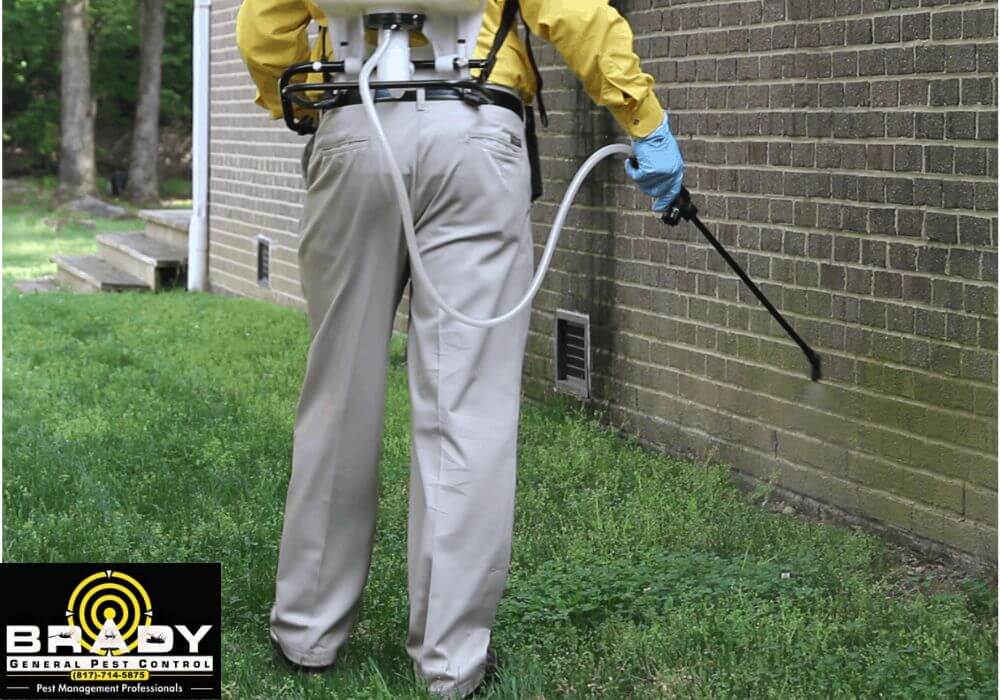
Your yard is the first line of defense. Pests stage in the landscaping, the trash area, and any pooled water before they ever reach your walls. Handle these four tasks and you cut off the easiest pathways inside.
Eliminate Standing Water
Mosquitoes breed in as little as a bottle cap of water. That means even small, overlooked spots become breeding grounds within days during a Texas summer.
Walk your property and remove standing water from these common sources:
- Birdbaths — empty and refresh them every few days
- Pet water bowls — replace the water daily, not weekly
- Clogged gutters — clear leaves and debris so water drains
- Plant saucers, buckets, and tarps — tip out any collected rain
Mosquitoes carry West Nile virus and other illnesses, so this step protects more than your comfort. For a fuller look at what summer heat brings, read our guide on what pests summer in Texas brings.
Manage Fire Ant Mounds
Heavy spring and early-summer rains force fire ant colonies to the surface. You will see fresh mounds appear across lawns and patios almost overnight.
Treat new mounds the day you spot them. A single colony multiplies quickly, and waiting lets it spread across your yard and toward the foundation. Fire ants sting in groups and pose a real risk to children and pets, which is why we recommend professional fire ant control for repeat or large infestations.
Trim Landscaping Back
Plants that touch your home act as bridges for ants, spiders, and roaches. They climb the branches and step straight onto your siding.
Keep your landscaping cut back with these targets:
- Trim grass, bushes, and tree branches regularly
- Keep all plants at least 12 inches away from exterior walls
- Cut tree limbs back from the roofline so pests cannot reach the eaves
Spiders follow these same routes indoors. Our article on spider season in nearby Cedar Hill explains why trimming matters year-round.
Declutter the Yard
Woodpiles and yard debris give termites and rodents a place to nest. Once they settle in the stack, the foundation is only a short trip away.
Store firewood at least 20 feet from your home’s foundation and keep it off the ground when possible. Clear out leaf litter, old lumber, and unused containers where pests hide.
Fire ant mounds or mosquitoes taking over your yard? Call us at (817) 714-5875 for fast outdoor treatment.
Summer Pest Indoor Exclusion

Exclusion means closing the gaps before pests use them. We treat this as the most reliable long-term defense because it stops the problem at the entry point rather than after the bugs are inside.
Seal Entry Points
Pests exploit openings you would never notice. Inspect your property and seal gaps around doors, windows, and utility lines.
Work through these exclusion steps:
- Fill foundation cracks with quality caulk
- Seal gaps around pipes and utility lines where they enter the wall
- Install door sweeps on exterior doors to close the bottom gap
- Repair torn window screens and warped weather stripping
These same gaps let in ants, roaches, and rodents alike. If you rent or live in a multi-unit building, our guide on apartment pest control spray covers shared-space entry points too.
Keep Pests Out of Vents
Attic vents and chimney openings are open doors for rodents, birds, and bats. Most homeowners forget them because they are out of sight.
Install mesh screens over attic vents and chimney openings. The mesh blocks larger pests while still letting your attic breathe. If you suspect something has already moved in, our rodent control team handles removal and seals the gaps behind it.
Reduce Indoor Humidity
High humidity attracts moisture-loving pests like silverfish and roaches. Texas summers keep indoor air damp unless you manage it.
Lower your indoor humidity with these habits:
- Run bathroom exhaust fans during and after showers
- Use a dehumidifier in basements, laundry rooms, and closets
- Fix leaky pipes and dripping faucets quickly
Roaches thrive in warm, damp corners, so this step makes your home far less inviting. We treat the hiding spots directly through our cockroach control service when populations take hold.
Food & Kitchen Hygiene
Food draws pests faster than anything else. Ants, roaches, flies, and rodents all follow the scent of an easy meal, and summer cookouts make the problem worse.
Manage Trash and BBQ Areas
Open trash and leftover food attract flies and rodents within hours. Outdoor grilling adds grease and scraps that pests track straight to your door.
- Use tightly sealed garbage bins with locking lids
- Clean your outdoor grill after each use
- Keep trash cans away from doors and rinse them periodically
Secure Pantry Items
Open dry goods are an open invitation for pantry pests and ants. Cardboard boxes and paper bags do not stop them.
Transfer these items into hard plastic or glass containers:
- Pet food
- Flour and sugar
- Cereal, rice, and other dry staples
Sealed containers keep ants out and keep your food fresh longer. For broader prevention, our general pest control plan covers the whole kitchen and entry zones.
Ants marching across your counters? Schedule a treatment and we’ll target the colony at its source.
Local Resources for DFW Homeowners

You do not have to fight summer pests alone. The City of Grand Prairie and county programs offer support, and knowing the rules keeps you on the right side of local ordinances.
City Mosquito Program
The City of Grand Prairie runs a mosquito abatement program during peak season. The city ground sprays neighborhoods that test positive for infected mosquitoes on Thursday and Friday nights, weather permitting, from April through October. Check the city’s “Fight the Bite” updates on gptx.org for the current schedule and public health guidance.
Report Code Violations
Sometimes a severe infestation starts next door, on a neglected rental or an overgrown lot. If that is the case, residents within city limits can file a report.
- Submit an online code complaint through the City of Grand Prairie portal
- Or email the city at codecomplaints@gptx.org
This is the right step when an untreated problem on another property keeps spilling onto yours.
Wildlife Ordinances
If you plan DIY wildlife removal in Tarrant or Dallas County, follow state guidelines. Releasing legally trapped animals in public parks, including areas around Joe Pool Lake, without authorization is unlawful. When wildlife is involved, calling a licensed professional keeps you compliant and safe.
Summer Pest Activity at a Glance
Different pests demand different responses. Use this table to match the summer pest you are seeing with the action that works.
| Summer Pest | Why It Shows Up | Your Action Step |
| Mosquitoes | Standing water and humidity | Remove water sources; schedule mosquito control |
| Fire ants | Heavy rain pushes colonies up | Treat mounds immediately; call for ant control |
| Cockroaches | Warmth, moisture, food access | Reduce humidity; seal food; book roach treatment |
| Fleas & ticks | Pets and shaded yard areas | Treat pets; keep yard clean; use flea and tick control |
| Wasps | Nest-building under eaves | Inspect rooflines; request wasp control |
| Spiders | Following other insects indoors | Trim plants; reduce clutter; schedule spider control |
| Rodents | Heat and water shortages | Seal vents and gaps; call for rodent control |
Heat is the common thread behind most of these. Our breakdown of why a Texas heat wave brings pests explains the science in plain terms.
When to Call a Professional Pest Control Expert

DIY steps handle prevention well. They rarely stop an established infestation, because pests breed fast and hide in spots you cannot reach.
Call us when you notice any of these signs:
- Repeated sightings of the same pest after you’ve cleaned and sealed
- Droppings, gnaw marks, or nests in cabinets, walls, or the attic
- Wasp nests under eaves or on the roofline
- Fire ant mounds that keep returning across the yard
- Roaches in daylight, which usually signals a larger hidden population
When you work with us, here is what we do:
- Inspect your full property to find entry points and nesting sites
- Treat the active problem with targeted methods for that pest
- Seal and advise so the problem does not return
- Follow up on a schedule that fits your home
We serve homeowners across Grand Prairie, Arlington, and Mansfield, and we stand behind our work. If you are unsure how often treatment makes sense, our guide on how often pest control should be done breaks it down, and you can review typical pest control costs in Grand Prairie before you decide.
Not sure whether it’s time for a pro? Contact Brady Pest Control and we’ll assess it for free.
Get Ahead of Summer Pests Today
Summer pest pressure is predictable, which makes it preventable. Work through the checklist now: clear standing water, treat fire ant mounds, trim your landscaping, seal entry points, manage humidity, and secure your food. Each step removes a reason pests choose your home. When an infestation is already underway, professional treatment is the dependable way to stop it.
Want help working through the list or dealing with an active problem? We’re ready to protect your home.
Seeing summer pest activity around your home or business? Contact Brady Pest Control or call (817) 714-5875 for reliable pest protection in Grand Prairie, Arlington, Mansfield, and across the DFW area.
Frequently Asked Questions
What is the best summer pest control checklist for North Texas homes?
Start outside: eliminate standing water, treat fire ant mounds, trim plants 12 inches from walls, and store firewood 20 feet from the foundation. Then seal entry points, screen vents, lower indoor humidity, and store food in sealed containers.
Why do pests come indoors during the Texas summer?
Extreme heat and shifting water sources push pests inside in search of moisture, food, and cool shelter. Air-conditioned homes with accessible food and water become the most attractive target.
How small a gap do I need to seal to keep pests out?
Seal every visible crack and gap, even small ones. Mice fit through dime-sized holes, and ants and roaches squeeze through far smaller openings around pipes, doors, and windows.
Does the City of Grand Prairie spray for mosquitoes?
Yes. The city ground sprays neighborhoods that test positive for infected mosquitoes on Thursday and Friday nights, weather permitting, from April through October. Check gptx.org for the current schedule.
Can I get rid of summer pests myself, or should I hire a professional?
Prevention steps work well on your own. An established infestation breeds quickly and hides in hard-to-reach areas, so professional treatment is the reliable fix once pests have settled in.
What should I do if pests come from a neglected property next door?
Residents within Grand Prairie city limits can file a code complaint online or email codecomplaints@gptx.org. Reporting the source helps stop the problem from spreading to your home.
When should I schedule pest control before summer hits?
Treating in late spring stops colonies before they grow. Our guide on the best time for pest control in Texas and the case for preventative treatment both point to early action.