

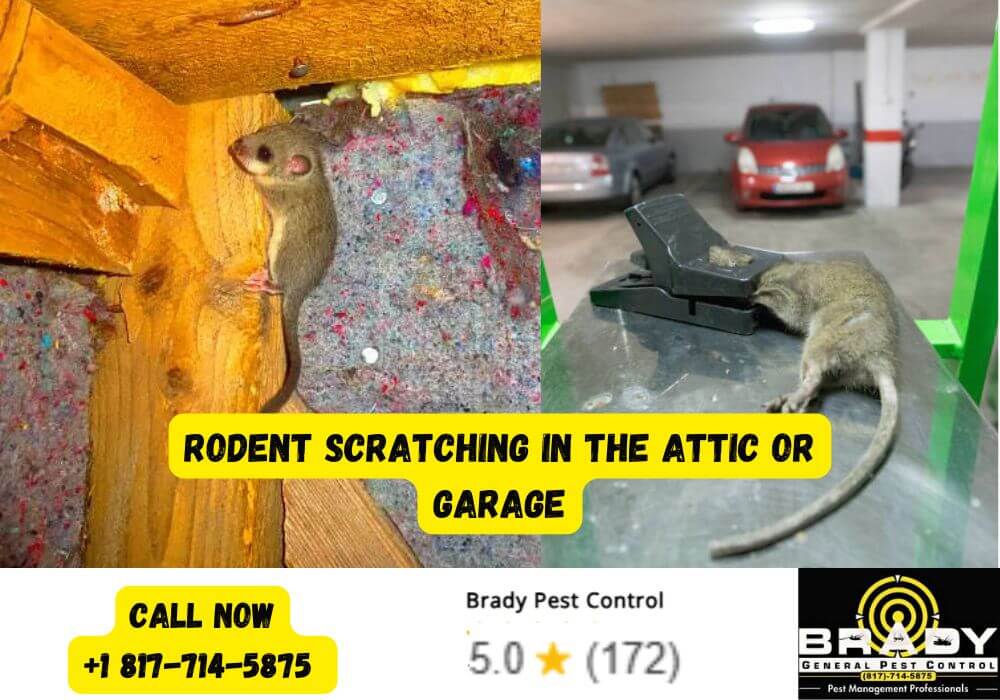
As the sun sets over the Dallas-Fort Worth metroplex and you settle in for the night, the silence is often broken by unsettling noises. A faint scampering, persistent scratching, or sudden thumping echoing from your ceilings and drywall is more than just a nuisance—it’s a warning sign.
Hearing these rhythmic sounds in your attic or garage typically indicates that mice or roof rats have established a presence. In North Texas, these rodents exploit structural gaps to nest within insulation and wall voids, where they constantly gnaw on electrical wiring and critical structural components.
Think you might have rodents? Schedule a professional inspection with our Rodent Control Fort Worth service today and stop the damage before it spreads.
In the North Texas region, where temperatures fluctuate between blistering heat and sharp freezes, rodents perceive local residences as ideal temperature-regulated refuges. If ignored, a few mice or a small nest of roof rats can rapidly escalate into a significant infestation, jeopardizing both your home’s equity and your family’s well-being.
Recognizing these intruders early is vital. Spotting the particular indicators of activity allows you to decide if a simple home remedy is sufficient or if you require expert pest control for rats.
Think you might have rodents? Schedule a professional inspection with our Rodent Control Fort Worth service today and stop the damage before it spreads.
Top Signs of Rodent Activity in DFW Homes

Understanding the warning signs is critical for early detection. Below are the most common indicators specific to North Texas homes.
1. Nocturnal Scratching & Scurrying Sounds
Rodents are most active at night. If you hear:
- Light scratching in the attic
- Thumping sounds in walls
- Scampering above ceilings
it’s likely rats or mice moving through insulation or structural gaps.
These sounds typically intensify at night when your home is quiet.
Hearing noises regularly? Learn how to act fast with our guide on how to get rid of rats in the house fast.
2. Droppings Around the Home
Rodent droppings are one of the clearest signs of an infestation.
| Rodent Type | Dropping Size | Appearance |
| Mice | Small (rice-sized) | Dark, pointed |
| Roof Rats | Larger (~½ inch) | Blunt ends |
Common locations include:
- Attics
- Garage corners
- Kitchen cabinets
- Behind appliances
Not sure what you’re dealing with? Read our comparison on rat vs mouse differences to identify the pest correctly.
3. Shredded Insulation & Nesting Materials
Rodents build nests using:
- Insulation
- Paper
- Fabric
- Cardboard
Signs include:
- Flattened insulation trails
- Clumped nesting material
- Warm, hidden nest zones
This damage reduces your home’s energy efficiency and increases fire risks.
4. Grease Marks & Smudge Trails
As rodents travel, their oily fur leaves behind:
- Dark streaks along walls
- Smudge marks on beams
- Greasy rub marks near entry points
These marks often indicate high-traffic rodent pathways.
5. Chewed Wiring & Structural Damage
Rodents constantly gnaw to keep their teeth sharp. This leads to:
- Frayed electrical wires
- Damaged plastic pipes
- Chewed wood beams
Chewed wiring is a major fire hazard in DFW homes.
Don’t risk costly repairs. Explore our expert pest control solutions for rats to eliminate rodents safely.
Common Rodent Entry Points in DFW Homes

Due to construction styles in North Texas, rodents exploit specific structural gaps.
Weep Holes in Brick Walls
- Small openings designed for drainage
- Easy access points for mice
Garage Door Gaps
- Worn-out rubber seals
- Corner openings
Roofline & Vent Openings
- Unscreened vents
- Damaged soffits
- Roof-to-wall gaps
Utility Line Openings
- HVAC line gaps
- Plumbing penetrations
Need help locating entry points? Book a detailed inspection with our rodent control Fort Worth specialists today.
Why Rodent Problems Are Common in DFW

The DFW climate creates the perfect environment for rodent infestations:
- Mild winters → year-round activity
- Expanding suburbs → more nesting areas
- Food availability → trash, pet food, storage
Rodents adapt quickly, making DIY control ineffective in most cases.
What to Do If You Suspect Rodents

Before sealing holes or using poison, take the right steps:
Step 1: Identify Activity Zones
Locate droppings, noises, and nesting areas.
Step 2: Avoid DIY Poison
Poison can cause rodents to die inside walls, leading to strong odors.
Step 3: Call Professionals
Experts can:
- Identify entry points
- Use safe removal methods
- Prevent reinfestation
Act now before the problem worsens. Get professional help from our rodent control services in Fort Worth.
Prevention Tips for Homeowners
Keep rodents out with these practical steps:
- Seal cracks and openings
- Install vent screens
- Replace damaged garage seals
- Store food in airtight containers
- Maintain clean outdoor areas
Even small gaps can allow rodents to enter—prevention is key.
Why Choose Professional Rodent Control?

Professional pest control ensures:
- Accurate identification
- Safe removal methods
- Long-term prevention
- Reduced health risks
DIY methods often fail because they don’t address the root cause.
Protect your home today. Contact Brady Pest Control for reliable, long-term rodent solutions across DFW.
Conclusion
Scratching noises in your attic or garage are more than just an annoyance—they’re often the first sign of a growing rodent problem. From droppings and chewed wires to hidden nests and entry points, early detection is critical.
DFW homes are especially vulnerable due to their structure and climate, making professional intervention the most effective solution.
Don’t wait until the damage gets worse. Reach out to Brady Pest Control today for expert rodent inspection and removal services in Grand Prairie, Arlington, Mansfield, and the entire DFW area.
FAQs
What noises do rodents make in the attic?
Rodents create scratching, scurrying, and light thumping sounds, especially at night when they are most active.
How can I tell if I have rats or mice?
Mice leave smaller droppings and make lighter sounds, while rats are larger, noisier, and leave bigger droppings.
Are rodents dangerous in homes?
Yes, they can spread diseases, contaminate food, and cause structural damage, including fire hazards from chewed wiring.
Where do rodents enter homes in DFW?
Common entry points include weep holes, roof vents, garage door gaps, and utility line openings.
Should I use poison to get rid of rodents?
It’s not recommended, as it can lead to dead rodents inside walls and create odor problems. Professional treatment is safer and more effective.
How fast can a rodent infestation grow?
Very quickly—rodents reproduce rapidly, turning a small problem into a major infestation within weeks.