
Ask any Texan when the bugs get bad, and you’ll hear the same answer: summer. There’s a reason for that. Prime pest season in Texas spans June through September, driven by intense heat, humidity, and seasonal rain. Those three ingredients turn yards, walls, and rooflines into busy pest highways.
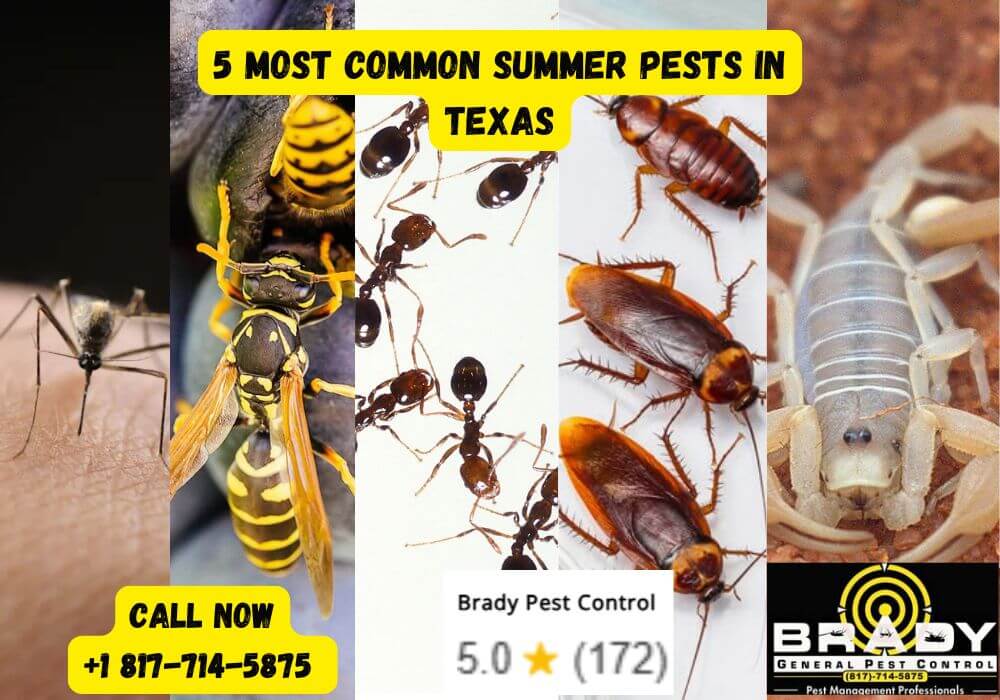
Five troublemakers dominate the season: mosquitoes, fire ants, cockroaches, scorpions, and wasps. Each one shows up for its own reasons, and each one calls for a slightly different response.
This guide skips the fluff. For every pest, you get three things fast: why it thrives here, what it can do to you, and a quick fix you can start today. Consider it your summer survival cheat sheet for the DFW area.
Already noticing increased pest activity around your home? Schedule a seasonal pest inspection now before infestations peak.
Why Summer Is Prime Pest Season in Texas
Texas summers create ideal breeding and survival conditions for pests due to:
- High temperatures accelerating reproduction cycles
- Humidity and rainfall providing moisture for survival
- Increased human activity (grilling, outdoor gatherings) attracting pests
- Dry spells pushing pests indoors for water
For a deeper understanding of how heat impacts pest behavior, visit:
why Texas heat wave brings pests
The earlier you act, the easier pest control becomes—don’t wait until populations explode.
Let’s meet the lineup.
Meet the 5 Most Common Summer Pests in Texas
Before we go pest by pest, here’s the roster at a glance. Think of it as a scouting report on who you’re up against this season.
| Pest | Peak Trigger | Main Risk | Fastest Fix |
| Mosquitoes | Standing water after summer storms | Itchy welts, West Nile, Zika | Empty water weekly |
| Fire Ants | Hot months boost colony activity | Painful stings, itchy pustules | Treat mounds at dawn or dusk |
| Cockroaches | Heat and humidity, indoor moisture | Contaminated food, asthma triggers | Keep kitchens and baths dry |
| Scorpions | Hot, dry nights | Painful bee-like sting | Seal cracks and weep holes |
| Wasps | Nests peak by mid-summer | Aggressive stings near nests | Inspect roofline monthly |
Now here’s the deeper story on each one.
Mosquitoes: The Backyard Bloodsuckers
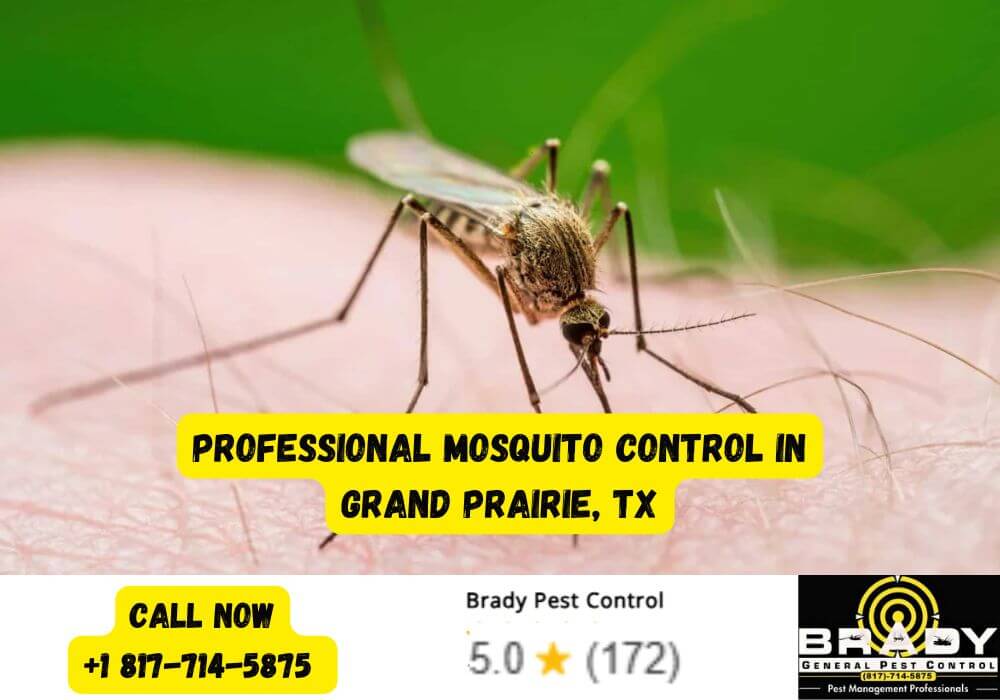
The bite you feel is bad enough. The disease risk is worse. Mosquitoes top the list because they breed fast and hit close to home.
Why they thrive in Texas summers:
Summer storms are their best friend. Every downpour leaves standing water in yards, clogged gutters, and forgotten kids’ toys. Those little pools become fast breeding factories, and a mosquito needs shockingly little water to raise a new batch, sometimes just a bottle cap’s worth.
The risks:
Bites cause itchy welts that can drive you crazy. But the bigger concern is disease. Mosquitoes transmit serious illnesses like West Nile and Zika viruses, which is why controlling them is about more than comfort.
Quick fix:
- Empty water from outdoor containers every week.
- Flip over buckets, dump plant saucers, clear the gutters, and drain anything that collects rain.
- Use EPA-approved bug sprays on yourself and around your yard for backup.
Mosquitoes rarely show up alone during a hot stretch. See why a Texas heat wave brings pests crowding your property all at once.
Tired of getting bitten in your own backyard? Contact Brady Pest Control for a mosquito treatment that targets breeding zones directly.
Fire Ants: Small Mounds, Big Pain

Step on the wrong patch of grass and you’ll learn about fire ants the hard way. These aggressive stingers are a summer staple across North Texas lawns.
Why they thrive in Texas summers:
Colony activity peaks in the hot summer months. The warmth kicks foraging into high gear, and the colony expands its network of mounds across your yard. What looked like one small mound in May can become a sprawling problem by July.
The risks:
Fire ants don’t just bite, they swarm. Their aggressive biting and painful stings form itchy pustules that can last for days. Disturb a mound, and dozens attack at once, making them especially rough on kids and pets.
Quick fix:
- Treat mounds during early morning or evening
- Avoid disturbing nests during peak heat
- Maintain lawn health to reduce nesting
If your yard is turning into an obstacle course of mounds, take a look at what pests summer in Texas brings so you can plan your defense.
Fire ant mounds taking over your lawn? Reach out to Brady Pest Control for full-yard treatment that clears colonies, not just single mounds.
Cockroaches: The Uninvited House Guests

Nothing sends a homeowner running like a roach scurrying across the kitchen floor at night. Summer heat pushes these pests indoors and keeps them breeding.
Why they thrive in Texas summers:
German and American roaches love high heat and humidity. As the weather turns sticky, they move indoors chasing moisture, settling into kitchens, bathrooms, and any damp corner they can find.
The risks:
Roaches are more than gross. They contaminate food and surfaces as they crawl, and their droppings and shed skins can trigger asthma and allergies, especially in children.
Quick fix:
- Keep kitchens and bathrooms dry
- Fix plumbing leaks immediately
- Store food in sealed containers
- Clean grease and crumbs thoroughly
Spot the Early Warning Signs
Roaches hide well, so catch them early. Watch for droppings that look like ground pepper, a musty smell, or shed skins tucked in cabinet corners. Spotting these means it’s time to act before a few become many.
Seeing roaches after dark? Contact Brady Pest Control for a targeted treatment that reaches the hidden nests behind your walls.
Scorpions: The Nighttime Sneaks
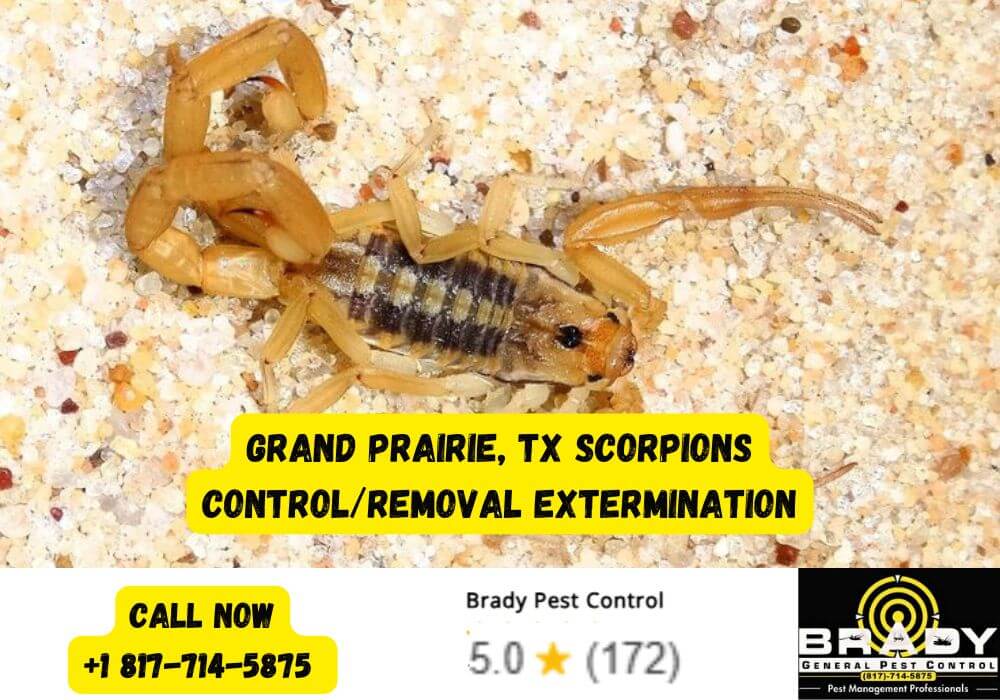
They look like something out of a desert movie, and they’re more common in Texas homes than most people expect. Scorpions turn active exactly when you’re winding down for the night.
Why they thrive in Texas summers:
Striped bark scorpions get very active at night during hot, dry spells. As the ground bakes, they hunt for cool, sheltered spaces, and that search often leads them right into your home through the smallest openings.
The risks:
A scorpion sting hurts. For most people it feels like a strong bee sting, with sharp pain and swelling at the site. It’s rarely dangerous, but it’s a memorable surprise nobody wants in their shoe or bedsheets.
Quick fix:
- Seal cracks around doors and windows
- Install mesh screens over weep holes
- Reduce clutter indoors and outdoors
Scorpions often move indoors during the same dry stretches that stir up other bugs. Our look at why North Texas heat helps insects thrive explains the pattern.
Finding scorpions inside after sundown? Reach out to Brady Pest Control to seal entry points and treat the perimeter of your home.
Wasps and Hornets: The Roofline Guardians

That paper nest under your eaves didn’t appear overnight. Wasps build all season, and by mid-summer their nests, and their tempers, are at full strength.
Why they thrive in Texas summers:
Paper wasp nests grow to their maximum size by mid-summer, tucked under roofs, eaves, and porches. Warm weather and steady food fuel a population boom, so a nest that started small in spring becomes a crowded fortress by July.
The risks:
Wasps and hornets deliver painful, aggressive stings when defending their nests. Unlike bees, they can sting again and again, and they don’t back down when they feel threatened. Getting too close is a real hazard.
Quick fix:
- Inspect rooflines monthly
- Avoid disturbing active nests
- Call professionals for removal
Spotting wasp nests around your roof or porch? Contact Brady Pest Control for safe nest removal before the colony grows.
How to Stay Protected All Summer Long
A proactive approach is the best defense against summer pests.
Key Strategies:
- Schedule seasonal pest inspections
- Seal entry points and structural gaps
- Maintain landscaping and yard cleanliness
- Eliminate standing water and food sources
- Use professional pest control for ongoing protection
Facing more than one summer pest at once? Contact Brady Pest Control for a full-property plan that covers all five threats.
Conclusion
Prime pest season in Texas brings a surge of mosquitoes, fire ants, cockroaches, scorpions, and wasps—all driven by heat, humidity, and seasonal rain. Each pest presents unique risks, but with the right prevention strategies and early action, you can protect your home and family.
Staying proactive is the key to avoiding infestations and maintaining a safe, comfortable living environment throughout the summer.
Seeing more pests than usual around your home? Contact Brady Pest Control today for reliable, local pest protection across Grand Prairie, Arlington, Mansfield, and the DFW area.
FAQs
When is peak pest season in Texas?
Prime pest season runs from June through September. Intense heat, high humidity, and seasonal storms create ideal conditions for mosquitoes, fire ants, cockroaches, scorpions, and wasps to breed and spread. Activity usually climbs through midsummer and stays strong into early fall.
Which summer pest is the most dangerous?
Mosquitoes carry the highest health risk because they transmit diseases like West Nile and Zika viruses. Fire ants and scorpions cause painful stings, and wasps can sting repeatedly. Roaches pose an indoor health risk by contaminating food and triggering asthma or allergies.
How do I stop mosquitoes from breeding in my yard?
Empty standing water from outdoor containers every week. Dump buckets, plant saucers, and kids’ toys, and keep gutters clear so rain drains properly. Pair that with EPA-approved bug sprays for added protection, since mosquitoes breed in even tiny amounts of water.
Why do I only see scorpions at night in summer?
Striped bark scorpions become most active after dark during hot, dry spells. Daytime heat drives them to seek cool, sheltered spots, and they hunt at night. Sealing cracks around doors, windows, and weep holes with fine mesh keeps them from slipping inside.
Can I remove a wasp nest myself?
Small, new nests can sometimes be handled with care, but large, active nests are risky. Wasps sting repeatedly and turn aggressive when defending their home. If you spot a big nest under your roof, eaves, or porch, it’s safer to call a pro.
Do I really need pest control if I only see one pest?
Often, yes. Summer conditions attract several pests at once, so one visible bug can signal others nearby. A whole-property approach handles current problems and helps prevent the overlap that makes Texas summers so pest-heavy.