


If you’re a pet owner in Texas, flea and tick protection isn’t just a seasonal task—it’s a year-round responsibility. Thanks to the state’s warm, humid climate, fleas and ticks remain active in every season, with populations surging during late spring and summer.
Unlike colder regions where winter slows infestations, Texas’ mild winters allow these pests to survive and reproduce continuously, making consistent prevention essential.
This means your dog or cat could be exposed whether they’re playing in the backyard, walking through the neighborhood, or even resting indoors. Fleas and ticks don’t take breaks—and neither should your prevention plan.
Noticing your pet scratching more than usual? It may be time to take action before a small issue becomes a full-blown infestation. Call at for quick inspection (817) 714-5875 or fill our contact form.
Why Is Texas a Flea and Tick Paradise?
Texas provides the perfect environment for fleas and ticks to flourish. The combination of heat, humidity, and dense vegetation creates ideal breeding conditions.
Where They’re Most Common
- Tall grass and overgrown lawns
- Shaded areas under decks or trees
- Bushes and dense landscaping
- Moist soil and leaf piles
These pests are highly adaptable and can quickly spread from outdoor environments into your home.
Wondering if these bugs can survive indoors too? They can, and our guide on whether fleas can live in carpet explains exactly how they hide inside your home.
Noticing more bug activity around your yard lately? Reach out to Brady Pest Control for a quick backyard flea and tick check.
Fleas vs. Ticks: Know the Difference
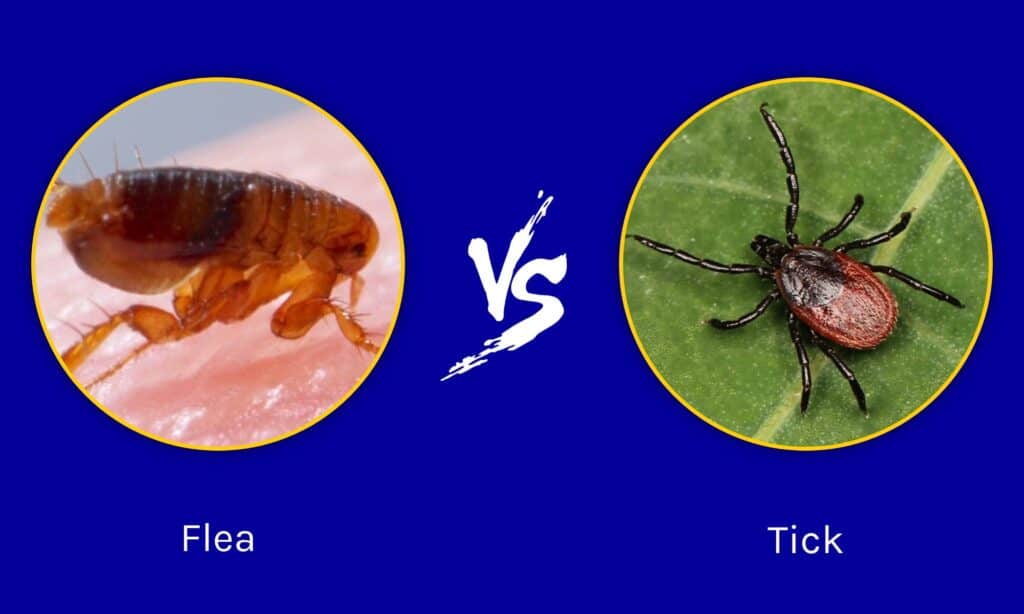
People lump these two together, but they’re not the same pest and they don’t cause the same problems. Here’s a simple side-by-side.
| Fleas | Ticks | |
| Size | Tiny, hard to spot, fast jumpers | Bigger, slow, latch and stay put |
| How they feed | Bite repeatedly, jump around | Attach and feed for days |
| Main trouble | Itching, hair loss, tapeworms | Disease like ehrlichiosis |
| Where you find them | Belly, base of tail, warm skin folds | Ears, neck, between toes, skin folds |
| Signs left behind | Flea dirt (black specks) | Swollen, attached bug you can see |
Want a deeper look at how they differ? Our full flea vs. tick breakdown covers it all.
The Health Risks Are Bigger Than an Itch
It’s easy to shrug off a few bug bites. Don’t. These pests carry real dangers for your pets and sometimes your family.
What Ticks Can Do
Ticks are disease carriers. When one feeds on your dog or cat, it can pass along nasty illnesses. Ehrlichiosis is one of the big ones in Texas. It attacks the immune system and can leave pets tired, feverish, and off their food. Caught late, it gets serious.
The scary part? A tick can feed for days before you even notice.
What Fleas Can Do
Fleas cause more than a scratch. A heavy infestation leads to:
- Constant itching that drives pets crazy
- Hair loss from all the scratching and chewing
- Red, irritated skin and open scabs
- Tapeworms, which pets get by swallowing infected fleas while grooming
Some pets are even allergic to flea bites. For them, a single bite sets off major skin problems.
Fleas and ticks aren’t the only summer troublemakers, either. Take a look at what pests summer in Texas brings and why insects thrive in the North Texas heat.
Worried your pet already has a problem? Contact Brady Pest Control to knock out fleas and ticks at the source.
Warning Signs to Watch For on Your Pet
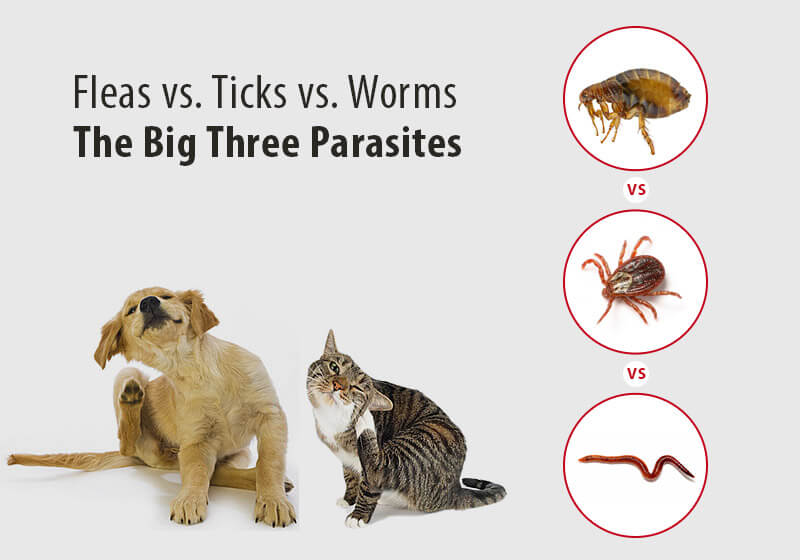
Your pet can’t tell you something’s wrong, so you have to read the signs. Run through this quick checklist every week or so.
- Excessive scratching or biting at the skin
- Red, irritated patches or bald spots
- Scabs or sores, especially near the tail
- Low energy or seeming “off”
- Visible bugs crawling through the fur
- Flea dirt, which looks like tiny black pepper flakes
Here’s a quick trick for flea dirt. Comb some of those black specks onto a wet paper towel. If they turn reddish-brown, that’s digested blood, which means fleas are present.
Spot a few of these signs together? It’s time to act.
Prevention That Actually Works
The best flea and tick strategy is simple: never give them a chance to settle in. Prevention beats treatment every single time.
Stay Consistent With Pet Meds
This is the big one. Monthly oral chewable or topical treatments are your front line. But they only work if you stay on schedule.
- Give the dose every month, no skipping
- Set a phone reminder so you never forget
- Keep protection going all year, not just in summer
Skipping a month during winter is one of the most common mistakes Texas pet owners make. Remember, mild winters keep these pests active, so gaps in protection leave the door wide open.
Take Care of Your Home
Fleas don’t just live on your pet. Most of an infestation lives in your carpet, floors, and bedding.
- Vacuum floors often, especially rugs and pet nap spots
- Empty the vacuum outside right away
- Wash pet bedding in hot water weekly
- Don’t forget couch cushions and your own bedding if pets sleep there
Treat Your Yard
Since most bugs come from outside, your yard matters just as much as inside. Keep grass short, trim back shrubs, and clear out leaf piles and damp debris. Our flea and tick control for backyards in Mansfield and nearby towns goes deep on outdoor protection.
Timing helps too. Starting early gives you the upper hand, and our guide on the best time for pest control in Texas explains why.
Want your yard treated before the summer rush? Book a visit with Brady Pest Control today.
Work With Local Veterinary Resources
Local organizations like the Texas Coalition for Animal Protection offer:
- Affordable preventative medications
- Vaccination guidance
- Routine care recommendations
Combining veterinary care with pest control provides the strongest defense.
When to Call the Professional Help?

Sometimes the problem gets bigger than a comb and a vacuum can handle. If you’re seeing fleas hopping across the carpet or pulling ticks off your dog every week, the infestation has spread beyond your pet.
That’s where professional treatment comes in. A pro treats your home and yard together, breaking the life cycle so the bugs don’t just bounce back. Our flea and tick treatment service handles both indoor and outdoor sources.
Curious about pricing or scheduling? Check our breakdown on pest control cost in Grand Prairie and our guide on how often pest control should be done. Summer brings plenty of other visitors too, from snakes and spiders to wasps.
Fleas or ticks taking over your home? Contact Brady Pest Control for a treatment that clears them out and keeps them gone.
Conclusion
Flea and tick season in Texas never truly ends, which means consistent prevention is the only way to stay ahead. From maintaining monthly treatments to keeping your home and yard clean, every step plays a role in protecting your pets.
However, when infestations take hold, professional intervention is the fastest and most effective way to restore comfort and safety.
Seeing signs of fleas or ticks around your pets or home? Reach out to Brady Pest Control for dependable flea and tick protection across Grand Prairie, Arlington, Mansfield, and the DFW area.
FAQs
Does flea and tick season ever end in Texas?
Not really. Our warm, humid weather keeps fleas and ticks active all year, with the worst months falling in late spring and summer. Mild winters let them keep breeding, so year-round protection is the safest bet.
How do I check my pet for fleas and ticks?
Run your fingers through the fur, focusing on the belly, base of the tail, ears, and between the toes. Look for crawling bugs, tiny black flea dirt, or attached ticks. A flea comb makes the job easier, especially on thick coats.
Can indoor pets still get fleas and ticks?
Yes. Fleas and ticks hitch rides indoors on clothing, other pets, or through open doors. Once inside, fleas can live in carpet and bedding for weeks. Indoor pets still need consistent monthly protection.
Are fleas and ticks dangerous to people too?
They can be. Ticks can spread disease to humans, and fleas will bite people when populations get high. Keeping your pets and home protected lowers the risk for your whole household.
Why do I need to treat my yard if my pet takes medication?
Pet meds protect your pet, but they don’t clear the bugs living in your grass, shrubs, and shaded spots. Treating the yard stops fleas and ticks before they ever reach your pet, which is why both steps matter.
How often should I wash pet bedding to prevent fleas?
Wash it weekly in hot water during peak season. Hot water kills flea eggs and larvae hiding in the fabric. Vacuuming nearby floors at the same time makes the routine even more effective.