
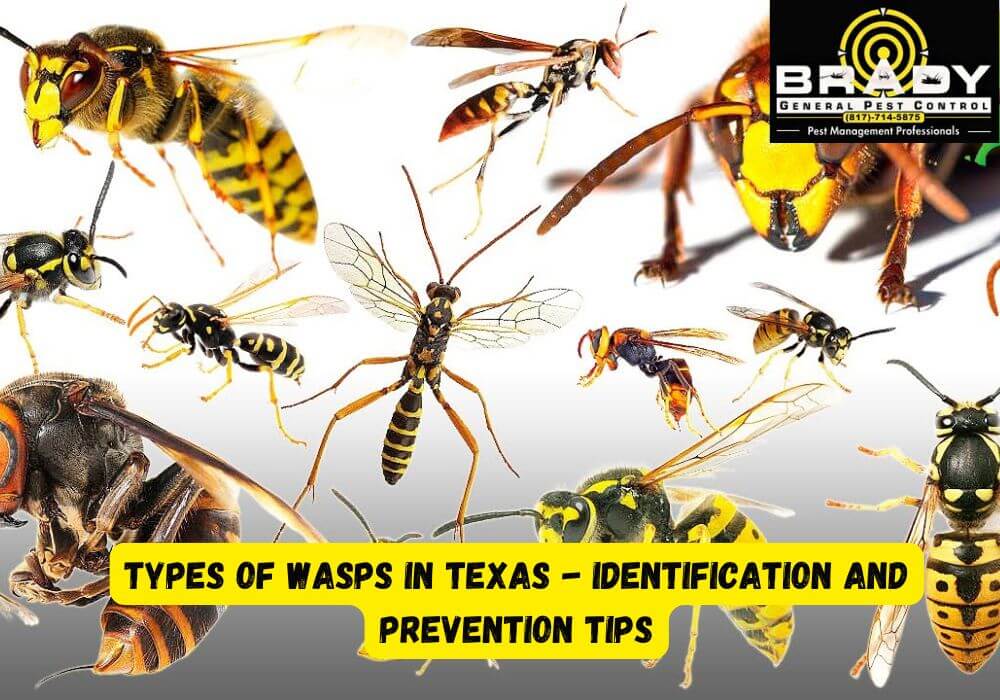
Different types of wasps are found in Texas. Wasps can cause damage. It is important to handle them. Brady Pest Control can help you. Get rid of wasps. It’s essential to understand the types of wasps in Texas and their characteristics. Whether you’re dealing with a wasp nest in your yard or simply trying to avoid a sting, proper identification is key. In this guide, we’ll cover the most common Texas wasp species, their behavior, and how to identify them.
Texas is home to many different wasp types, and learning proper wasp identification can help homeowners avoid painful stings and dangerous infestations. From aggressive species to more passive ones, each different type of wasp has unique nesting habits and behaviors. Many homeowners in Central Texas frequently encounter these insects around roofs, trees, patios, and outdoor structures. Understanding central Texas wasps and their habits is the first step toward safe pest control and prevention.
Types of Wasp in Texa
There are different Texas wasps. Let’s look into the details. Texas is home to several Texas wasps and hornets, each varying in size, color, and behavior. These insects are more than just a nuisance; some can be aggressive, while others are more passive. Knowing the Texas wasps identification can help you deal with them safely. Here are the different types of wasps you may encounter in Texas. Let’s look into the details
1- Paper Wasps
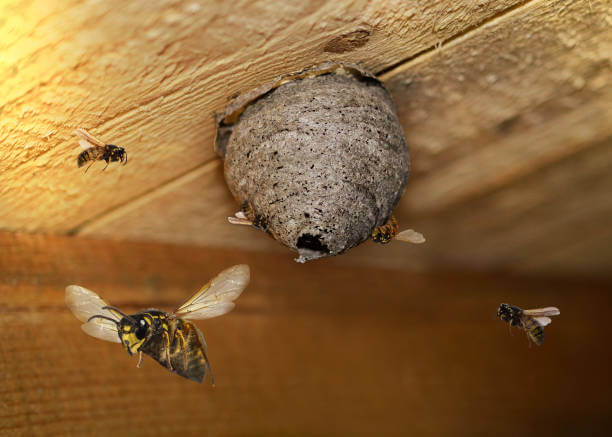
Paper wasps are found in Texas. They are famous for nest-building skills. Paper wasps use paper-like material. They are present under eaves.
One of the most recognizable species in this category is the red wasp Texas residents commonly see around homes and gardens. The Texas red paper wasp has a reddish-brown body with long legs and often builds umbrella-shaped nests under roofs, porch ceilings, and sheds. This species is common throughout central Texas wasps populations and can become defensive if their nest is disturbed.
Identification: Paper wasps are slim. They are brown with yellow markings.
Prevention: Look for their nests. Check nooks and crannies.
2. Yellow Jackets
Yellow Jackets are aggressive. They have a painful sting. Yellow Jackets build nests underground.
Yellow jackets are one of the most aggressive wasps and hornets in Texas. Proper wasp identification is important because yellowjackets often attack in groups when their nest is threatened. Unlike many other wasp types, they frequently build nests in soil, wall voids, and hidden spaces around buildings.
Identification: Yellow Jackets are yellow and black. They love sugary foods.
Prevention: Keep your food covered. Seal your trash bins tightly.
Looking for a safe way to handle Texas wasps and hornets? Contact Brady Pest Control for fast and reliable service!
3. Mud Dauber Wasps
Mud daubers are solitary wasps. They form the mud nests. Mud wasps are beneficial as they control spiders. They can be startling if you stumble on their nests.
Among the many different type of wasp species found in Texas, mud daubers are actually beneficial because they hunt spiders. These solitary insects rarely sting and are commonly seen in garages, barns, and outdoor structures across areas where central Texas wasps are common.
Identification: Mud Dauber wasps are black with yellow or blue markings on them.
Prevention: Check for Mud nests around your house.
4. Bald-Faced Hornets
Bald-faced hornets are big wasps. Hornets are larger and more aggressive than most Texas wasp species. These wasps are mean and aggressive. They are not hornets. Bald-faced hornets have papery nests. They are found hanging from trees.
Even though they are called hornets, they are technically a type of yellowjacket and belong to the broader category of wasps and hornets in Texas. Their large aerial nests make them easier to spot, but approaching them can be extremely dangerous because they defend their colonies aggressively.
Identification: Bald-faced hornets are black with white markings.
Prevention: Do not disturb their nests. Get professional help for removal.
5. Cicada Killer Wasps
Cicada killers are large. They are harmless to humans. Cicada wasps burrow underground. They prey on cicadas.
Cicada killers are one of the largest wasp types found in Texas. Despite their intimidating size, they are generally non-aggressive and rarely sting humans. They are commonly found across the southern and central Texas wasps regions where cicadas are abundant.
Identification: The Cicada killer wasp has a black body with yellow stripes.
Prevention: Keep lawns well-maintained. Don’t let wasps build their nests.
Preventing Wasp Infestations
Inspection: Check your home for nests. Look for the signs of wasp activity.
Seal Entry Points: Seal all the gaps. Close off all the holes in the house.
Keep it Clean: Remove the food sources. Food attracts wasps.
Professional Help: Get professional help from Brady Pest Control. They remove wasps in Texas.

Regular inspections are very important for early wasp identification. Different species of wasps prefer different nesting areas, so understanding the different type of wasp around your home can help you take the right preventive steps before an infestation grows.
Why Is Wasp Identification Important?
Knowing the types of wasps in Texas helps you understand how to avoid them and how to respond if you get stung. For instance, yellowjackets are highly aggressive and can sting multiple times, while mud daubers are far less likely to sting. Proper identification can also help you identify which species are more likely to build nests around your home.
Correct wasp identification is especially important in areas where central Texas wasps populations are high. Many homeowners confuse harmless species with aggressive ones, which can lead to unnecessary panic or unsafe removal attempts. Understanding the major wasp types found in Texas helps you determine when it is safe to leave them alone and when professional pest control is required.
Texas wasps and hornets can cause damage to your home if their nests are not addressed. In the case of yellowjackets, a nest near your home or workplace can be particularly dangerous due to their aggressive nature. It’s best to call in an expert for help.
Because there are many wasps and hornets in Texas, professional pest control services are often the safest option. Experts can properly identify the different type of wasp present and remove the nest safely without putting homeowners at risk.
Final Words!
Whether you are dealing with a red wasp Texas homeowners commonly see or another species, proper wasp identification and early prevention can protect your home and family from painful stings and dangerous infestations.
Stay vigilant. Wasps can cause damage. Take preventive measures. Keep the pesky Texas wasps away. Get help from Brady Pest Control. Fill out our form. Call 817-714-5875 today.
Read our Latest Posts:
- How Much Does Termite Treatment Costs in Grand Prairie, TX
- Why am I Finding Termites in my Bathroom?
- How to Get Rid of Spiders Outside The House?
- 08 Infestation Signs of Carpenter Ants in House?
Frequently Asked Questions
What are the most common wasps in Texas?
The most common types of wasps in Texas include yellowjackets, paper wasps, and mud daubers. These species are found all over the state and have different behaviors and nest-building habits.
Which Texas wasp has the worst sting?
Yellowjackets are known for having the worst sting. They can sting multiple times and are highly aggressive, especially when their nest is disturbed.
How aggressive are Texas wasps?
Aggression varies by species. Yellowjackets and hornets are the most aggressive, while mud daubers are more passive and only sting when provoked.
What is the most harmless wasp?
Mud daubers are the most harmless. They rarely sting unless provoked and are not known to be aggressive.
What is the deadliest wasp sting?
The yellowjacket is considered to have the most painful and potentially dangerous sting. In some cases, stings from yellowjackets can cause allergic reactions, which may lead to serious health issues.
Do wasps remember faces?
Yes, wasps can recognize and remember faces. This ability helps them identify potential threats to their nests.
Can you survive 100 wasp stings?
While it’s possible to survive 100 wasp stings, it would be extremely dangerous, especially if the individual stung is allergic to wasp venom. Immediate medical attention is necessary in such cases.
What is the most common wasp in Texas?
Paper Wasp is the most common wasp in Texas.
What is the killer wasp in Texas?
The cicada killer wasp is the largest in Texas. It is up to 1 inch in length.
Are Texas paper wasps aggressive?
Texas paper wasps are aggressive. They only attack when someone disturbs their nests.
What are the fuzzy wasps in Texas?
Red velvet ants are fuzzy wasps. The wingless females resemble ants. They have dense fur-like hair.
Which Texas wasp has the worst sting?
Tarantula hawks have the worst sting in Texas.
What is the black wasp-like insect in Texas?
Mydas fly is the black wasp-like insect in Texas.
Are Texas wasps aggressive?
Texas wasps are not aggressive. They attack when they feel threatened.
Do Texas wasps sting?
Usually, Texas wasps don’t sting. They will sting when they feel threatened.
Are Texas red wasps aggressive?
Texas red wasps are not aggressive. They will sting if they are disturbed.
What attracts wasps in Texas?
Sweets and meats attract wasps in Texas.
Do black wasps live in Texas?
Yes, black wasps live in Texas.
Are wasps protected in Texas?
Yes, wasps are protected in Texas.