

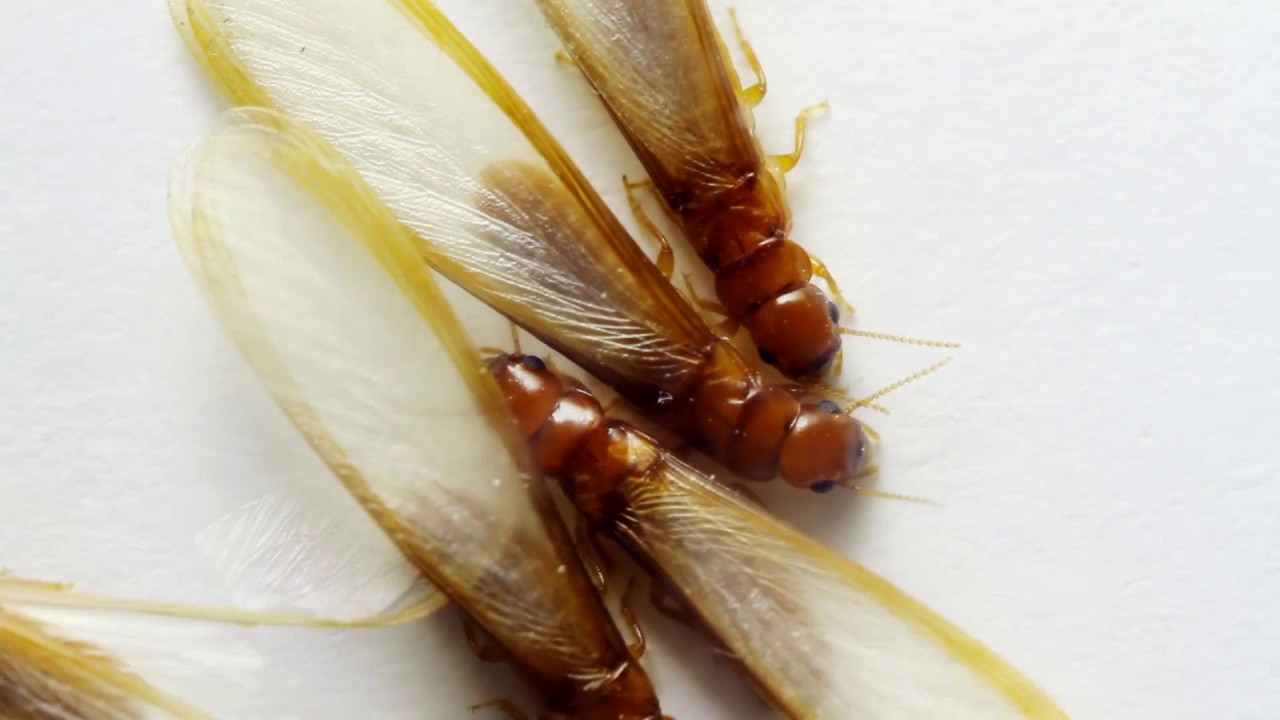
Termites are among the most destructive pests affecting homes in Texas. In cities like Mansfield, where warm temperatures and occasional spring rains create ideal conditions for termite activity, homeowners must stay alert. Termite season in Mansfield, TX typically peaks between February and May, when warmer temperatures and moisture trigger termite swarms. These swarms are often the first visible sign that termites are active in the area.

The most common species found in North Texas is the subterranean termite, often referred to as a “silent destroyer.” These pests live underground and feed on wood, often causing structural damage before homeowners even realize they are present. During termite season, winged termites known as swarmers emerge to start new colonies, making early detection extremely important.
Several warning signs may indicate termite activity. Homeowners should watch for winged swarmers around windows or lights, pencil-sized mud tubes along foundations, discarded wings near entry points, and damaged wood structures. Ignoring these signals can allow termites to continue feeding on your home’s wooden structure, leading to expensive repairs.
Understanding termite activity patterns, knowing what signs to watch for, and scheduling timely termite inspections are essential steps in protecting homes during termite season in Mansfield, TX.
Why Termite Season Happens in Mansfield, TX

Mansfield and the surrounding North Texas region provide ideal conditions for termite colonies to thrive. Subterranean termites require three main elements: moisture, wood, and soil contact. Unfortunately, many homes provide exactly these conditions.
During winter, termite colonies remain mostly underground where temperatures are stable. As spring approaches and the weather becomes warmer and wetter, termites become more active and begin reproducing.
Warm spring rains followed by sunny weather often trigger termite swarms. These swarmers leave their original colony to establish new nests, increasing termite populations across neighborhoods.
Because Mansfield experiences long warm seasons, termite activity can remain high throughout much of the year. However, spring is when termite infestations are most likely to become visible to homeowners.
Types of Termites Found in North Texas
Although several termite species exist in the United States, the primary threat in Mansfield is the subterranean termite.
Subterranean Termites
These termites live in underground colonies and build mud tunnels to travel between soil and food sources.
Characteristics include:
- Live in large colonies that may contain hundreds of thousands of termites
- Require moisture to survive
- Build mud tubes to reach wood structures
- Cause significant structural damage if untreated
Because they remain hidden within walls, foundations, and wooden structures, subterranean termites cause the majority of termite damage in Texas homes.
Early Warning Signs of Termites in Mansfield Homes
Early signs of termite activity can prevent extensive damage and expensive repairs. Many homeowners only discover termites after serious structural issues appear, but several warning signs can help detect infestations sooner.
Termite Swarmers
Swarming termites resemble flying ants but have straight antennae and equal-length wings. These swarmers often appear:
- Near windows and light fixtures
- Around door frames
- Inside garages or basements
Seeing swarmers indoors often indicates that a termite colony is nearby.
Discarded Wings
After swarmers find a new location to start a colony, they shed their wings. Small piles of wings near windows, doors, or baseboards are a common sign of termite activity.
Mud Tubes on Foundations
Subterranean termites build mud tubes about the width of a pencil to protect themselves while traveling between their colony and wood food sources.
You may notice these tubes:
- Along concrete foundations
- On basement walls
- Inside crawl spaces
- Around plumbing entry points
Mud tubes are one of the most reliable indicators of termite activity.
Wood Damage
Termites feed on cellulose found in wood. Over time, this feeding weakens structural components of the home.
Signs of termite-damaged wood include:
- Hollow-sounding wood when tapped
- Buckling or sagging floors
- Blistered paint or drywall
- Cracked wooden beams
Because termites eat wood from the inside out, damage may remain hidden until it becomes severe.
Why You Should Never Ignore Termite Signs
Termites cause billions of dollars in property damage across the United States every year. Unlike other pests, termite infestations rarely resolve themselves.
Ignoring termite activity can lead to several serious problems:
- Structural damage to walls, floors, and support beams
- Expensive home repairs
- Reduced property value
- Safety hazards from weakened structures
A small termite colony can grow quickly. Within a few years, a colony may contain hundreds of thousands of termites, all continuously feeding on wooden materials.
Because termites often remain hidden, infestations may continue for years before being detected.
How Professionals Inspect for Termites
Professional termite inspections involve more than simply checking visible areas. Pest control technicians conduct detailed inspections to locate hidden termite activity.
Typical inspection areas include:
- Foundations and crawl spaces
- Wooden support beams
- Attics and roof structures
- Baseboards and window frames
- Exterior wood structures such as decks and fences
Technicians also look for moisture issues that may attract termites, including leaking pipes or poor drainage around the home.
Routine termite inspections are recommended at least once per year, especially in areas like Mansfield where termite activity is common.
Termite Prevention Tips for Mansfield Homeowners
Preventing termite infestations is easier and less expensive than repairing termite damage. Homeowners can reduce risk by following a few preventative steps.
Reduce Moisture Around the Home
Termites thrive in moist environments. Reduce moisture by:
- Repairing leaking pipes
- Improving drainage around foundations
- Cleaning gutters regularly
Eliminate Wood-to-Soil Contact
Avoid placing wood directly against soil. Examples include:
- Wooden siding touching soil
- Firewood stacked against the home
- Untreated wooden posts in the ground
Seal Entry Points
Seal cracks and gaps around foundations, windows, and plumbing to reduce termite access.
Schedule Professional Termite Treatments
Preventative termite treatments create protective barriers around homes that stop termites before they reach structural wood.
Termite Activity Timeline in Mansfield, TX
| Season | Termite Behavior |
| Winter | Termites remain mostly underground |
| Early Spring | Swarming begins after warm rains |
| Spring | Peak termite activity and colony expansion |
| Summer | Colonies grow rapidly |
| Fall | Termites remain active but less visible |
Understanding this seasonal cycle helps homeowners prepare for termite season in Mansfield, TX.
Protect Your Mansfield Home from Termites
Termites can cause serious damage before homeowners even realize they are present. Recognizing the warning signs early and scheduling professional inspections can prevent costly repairs and protect your property.
If you notice mud tubes, termite swarmers, or damaged wood around your home, it may be time for a professional termite inspection.
Brady Pest Control provides reliable termite inspections and treatment services designed specifically for homes in Mansfield and throughout North Texas. Our experienced technicians identify termite activity, apply proven treatments, and help prevent future infestations.
Contact Brady Pest Control today to schedule a professional termite inspection and keep your home protected during termite season in Mansfield, TX.
FAQs
What are the early warning signs of termites?
Early signs include termite swarmers, mud tubes on foundations, discarded wings near windows or doors, and wood that sounds hollow when tapped.
Does Texas have a termite problem?
Yes. Texas is one of the states with the highest termite activity due to its warm climate and soil conditions that favor subterranean termites.
What is a termite’s worst enemy?
Termites are most vulnerable to professional termite treatments such as liquid termiticides and bait systems designed to eliminate entire colonies.
How long can you ignore termites?
Ignoring termites can allow colonies to grow and cause extensive structural damage. Even a few months can lead to significant destruction.
What kills termites instantly?
Professional-grade insecticides and specialized termite treatments are the most effective methods for eliminating termites quickly.
What happens if termites are ignored?
Termites can continue feeding on structural wood, leading to weakened floors, walls, and support beams that may require costly repairs.
What state in the US has no termites?
Every U.S. state has some level of termite activity, although colder northern regions tend to experience fewer infestations.
How to tell if termites are gone?
After treatment, pest control professionals monitor termite activity and inspect bait systems or treated areas to ensure colonies have been eliminated.
How many years does a termite treatment last?
Many professional termite treatments can protect homes for several years, although regular inspections are recommended to ensure ongoing protection.
What smell do termites hate?
Some natural scents such as orange oil or cedar may repel termites, but these methods alone are not reliable for eliminating infestations.
Do I need to wash all my clothes after termite fumigation?
Clothes stored inside drawers or closets typically do not need to be washed after fumigation, though specific instructions depend on the treatment used.
How quickly can termites ruin a house?
A large termite colony can cause significant structural damage within a few years if left untreated, which is why early detection and professional treatment are essential.