
Cedar Hill, Texas, homeowners face a high risk of termite and carpenter ant infestations due to the region’s warm, humid climate. These pests can cause significant damage to your home if left untreated. While both termites and carpenter ants target wooden structures, they do so in different ways. Knowing how to identify and address these pests is important to protecting your property.
Termite Activity in Cedar Hill, Texas

Texas is classified as a Zone 1 termite risk area, meaning it has one of the highest termite activity levels in the country. Cedar Hill homeowners are particularly vulnerable to subterranean termites, drywood termites, and the highly aggressive Formosan termites. These pests thrive in the warm, moist environment of North Texas and can cause extensive damage to homes near you.
Common Termite Species in Cedar Hill
- Subterranean Termites
These termites live in underground colonies and build mud tubes to travel between their nests and food sources. They are the most common and destructive termite species in Cedar Hill.
Signs to watch for: Mud tubes on your foundation and hollow-sounding wood. - Formosan Termites
Known for their aggressive behavior, Formosan termites build massive colonies that can cause severe damage quickly. They are often attracted to lights and swarm at night during late spring.
Signs to watch for: Swarmers with translucent wings near windows or doors. - Drywood Termites
Unlike subterranean termites, drywood termites infest dry wood directly and do not require soil contact. They are most active during spring and swarm at night.
Signs to watch for: Discarded wings and small piles of wood-colored droppings near infested areas.
Read oUr Latest Post on: Termite Treatment Options: Which One Is Best For Your Home?
Carpenter Ant Activity in Cedar Hill, Texas
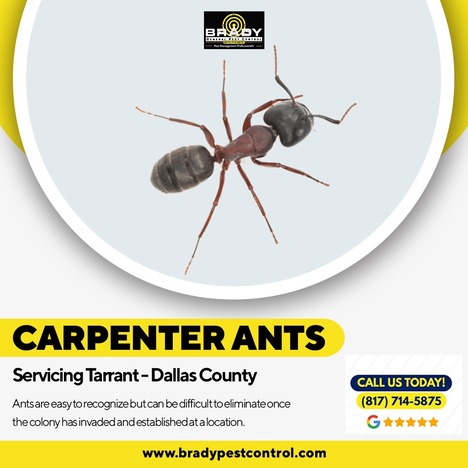
Carpenter ants are another common pest in Cedar Hill. Unlike termites, carpenter ants do not eat wood. Instead, they chew through it to create smooth tunnels and galleries for their nests. These ants are attracted to moisture and are often found in damp, decaying wood.
What Attracts Carpenter Ants?
- Moisture Issues
Leaky pipes, clogged gutters, and poor drainage create the damp conditions that carpenter ants love.
Tip: Fix leaks and ensure proper drainage around your home. - Damaged Wood
Rotting decks, window frames, and attic rafters are prime nesting spots for carpenter ants.
Tip: Replace damaged wood to prevent infestations. - Wood-to-Soil Contact
Firewood, trees, and shrubs touching your house can provide a pathway for ants.
Tip: Store firewood at least 20 feet away from your home.
Read More: 2025 Practical Carpenter Ant Control Guide for Texas Homeowners
Signs of Termite and Carpenter Ant Infestations
Termite Infestation Signs
- Mud Tubes: Pencil-sized tunnels on your foundation walls.
- Hollow-Sounding Wood: Termites eat wood from the inside, leaving a hollow shell.
- Discarded Wings: Piles of translucent wings near windows and doors.
- Termite Swarmers: Flying insects with four equal-length wings.
Carpenter Ant Infestation Signs
- Sawdust (Frass): Piles of wood shavings mixed with insect parts near wooden areas.
- Smooth Tunnels: Unlike termites, carpenter ants create clean, sanded tunnels.
- Rustling Noises: Faint rustling sounds coming from walls or wood, especially at night.
- Visible Ants: Large black or red-and-black ants near moisture-prone areas.
Key Differences Between Termites and Carpenter Ants
| Characteristic | Termites | Carpenter Ants |
| Diet | Consume wood for its cellulose. | Don’t eat wood; excavate it for nests. |
| Damage Appearance | Rough, mud-caked tunnels. | Smooth, sandpapered galleries. |
| Signs of Presence | Mud tubes, discarded wings. | Frass, smooth tunnels, visible ants. |
| Body Shape | Straight body, straight antennae. | Pinched waist, bent antennae. |
| Destructive Potential | Extensive, swift structural damage. | Slower damage but still significant. |
What to Do If You Find Termite or Carpenter Ant Activity
If you suspect an infestation, professional pest control is the most reliable solution. DIY methods often fail to address the root of the problem, leaving colonies intact. At Brady Pest Control, we specialize in termite treatment near you and carpenter ant removal nearby. Our experts will identify the pest, assess the damage, and implement a targeted treatment plan to protect your home.
Why Choose Brady Pest Control?

- Local Expertise: We understand the unique pest challenges in Cedar Hill, Texas.
- Comprehensive Services: From termite control to carpenter ant removal, we’ve got you covered.
- Guaranteed Results: Our treatments are effective and long-lasting.
- Convenient Scheduling: We offer flexible appointments to fit your busy life.
Last We Published a Post on: 08 Infestation Signs of Carpenter Ants in the House?
FAQs
- Do I need termite protection in Texas?
Yes, Texas has one of the highest termite activity levels in the U.S. Regular inspections and treatments are essential. - Should I be worried if I find a carpenter ant in my house?
Yes, a single carpenter ant could indicate a nearby nest. Contact a professional for an inspection. - Does homeowners insurance cover damage from carpenter ants?
Most policies do not cover pest-related damage. Prevention and early treatment are key. - How do you know if you have termites or carpenter ants in your house?
Look for signs like mud tubes (termites) or frass (carpenter ants). A professional inspection can confirm the pest type. - What month are carpenter ants most active? Carpenter ants are most active during spring and summer when they search for new nesting sites.