
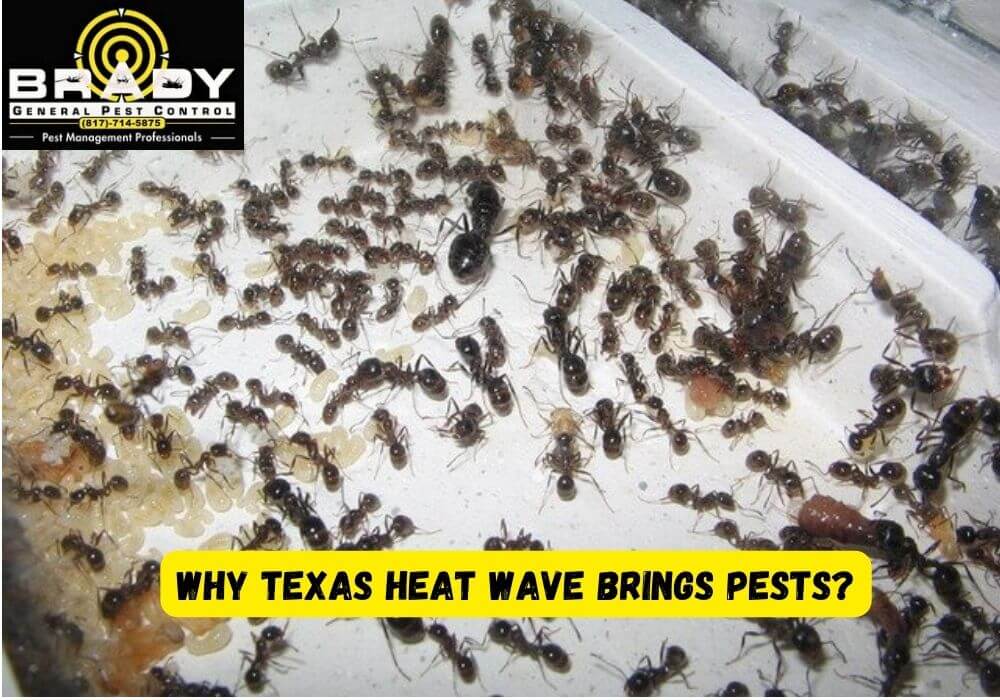
Carpenter ants can be a real nuisance, especially during the sweltering Texas summers. These pests may look harmless, but they can cause significant damage to your home if left unchecked. The heat draws them out, making it essential for Texas homeowners to take action before an infestation occurs. This guide provides everything you need to know about carpenter ants, how to prevent them, and when to call in professional help like Brady Pest Control.
Don’t wait for ants to dig deeper into your home. Call Brady Pest Control now and get a FREE inspection.
What Are Carpenter Ants?
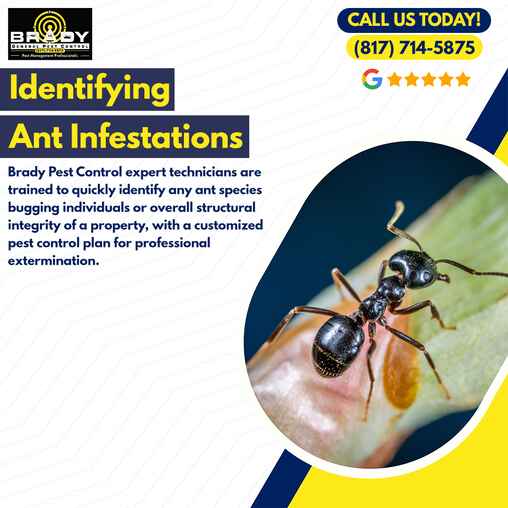
Carpenter ants are large black or reddish ants that build their nests in wood. Unlike termites, they don’t eat wood but chew through it to create tunnels for their nests. These pests are particularly problematic because they target damp or decaying wood, which can compromise the structural integrity of your home.
Why Do Carpenter Ants Show Up More in the Texas Summer?
High temperatures drive carpenter ants out of hiding. During the summer, they actively search for food and water sources, which might be inside your home. They are drawn to moist environments, so leaks, rotting wood, or humid areas in your home might attract them.
Signs of a Carpenter Ant Infestation
Noticing an issue early can save you time and money. Here are the most common signs that you might have carpenter ants in your home:
- Frass: Look for sawdust-like material (called frass) near wooden surfaces.
- Rustling Sounds: Some people hear faint rustling noises inside walls at night—yes, that may be ants hard at work!
- Winged Ants: If you spot winged ants indoors, it’s likely carpenter ants searching for a new nesting site.
How to Prevent Carpenter Ants
Want to keep carpenter ants away for good? The key is proactive prevention. Follow this guide to make your home less attractive to these pests.
1. Eliminate Moisture
Carpenter ants thrive in damp conditions.
- Fix leaks in plumbing, roofs, or windows.
- Improve ventilation in crawl spaces and basements.
- Remove any rotting wood or wood debris around your property.
2. Seal Entry Points
Stop ants from entering your home by closing off their pathways.
- Seal cracks in your foundation, walls, and around doors and windows.
- Install and maintain screens on windows and doors.
- Use weather stripping around doors to block gaps.
3. Remove Food Sources
Carpenter ants are attracted to food, just like other pests.
- Clean up crumbs and spills immediately.
- Store your food in airtight containers.
- Regularly clean under appliances like stoves and refrigerators.
- Keep trash bins tightly sealed.
Need help getting rid of food sources that attract pests? Check out our flea and tick treatment services to break the pest cycle around your home.
4. Maintain Your Yard
The outdoor environment can also invite carpenter ants into your home.
- Trim tree limbs or bushes that touch your home’s exterior.
- Keep firewood stacks stored away from your house and elevated off the ground.
- Avoid piling mulch or soil near your foundation.
What to Do if You Suspect an Infestation
Step 1. Identify Their Nest
Look for wood shavings near infested areas or listen for noises in your walls.
Step 2. Treat the Nest
You can use insecticides like dusts or sprays to target the nest. However, these methods can be tricky and require care to ensure effectiveness. For severe issues, it’s always better to call professionals.
Brady Pest Control provides affordable and effective pest control solutions tailored to combat pests like carpenter ants. Learn more about our wasp nest removal services to protect your Texas home from other summer nuisances as well!
When to Call Brady Pest Control
While DIY solutions can work for minor issues, carpenter ants are sneaky and resilient. If you see recurring infestations, structural damage, or signs of nests, it’s time to call in the professionals. At Brady Pest Control, we specialize in eliminating carpenter ant invasions before they become a major headache.
Get peace of mind knowing that our expert pest control services not only fight carpenter ants but also cover other pests like fleas and wasps.
Protect Your Home Today
Don’t wait for ants to dig deeper into your home. Call Brady Pest Control now and get a FREE inspection. Our experts are here to restore your space and help you enjoy a pest-free summer!
FAQs
1. What Kills Carpenter Ants Permanently?
Professional-grade treatments like non-repellent sprays or insecticide baits are the most effective for long-term control.
2. Does Heat Bring Out Carpenter Ants?
Yes, summer heat often drives carpenter ants to become more active as they search for food and shelter.
3. What Do Carpenter Ants Hate the Most?
They strongly dislike environments without moisture and food. Eliminating these attractants is key.
4. What Is The Best Defense Against Carpenter Ants?
The best defense is prevention. Regular maintenance, sealing entry points, and cleaning up your yard work wonders.
5. What Do Exterminators Use for Carpenter Ants?
Exterminators often use non-repellent insecticides, baits, and dusts to reach nests and control the colony.
6. Does Pine-Sol Keep Carpenter Ants Away?
Pine-Sol can act as a short-term deterrent due to its strong smell, but it’s not a reliable long-term solution.
7. What Is the Best Non-Repellent Spray for Carpenter Ants?
Non-repellent products like fipronil or imidacloprid sprays work well since ants don’t detect them and bring the chemicals back to their colony.
8. What Is Poisonous to Carpenter Ants?
Boric acid and ant baits are toxic to carpenter ants and can kill them effectively.