
Red Wasp Texas Identification and Prevention! How Do They Impact You in 2025?

Residents of the state of Texas in their yards frequently encounter red wasps, particularly the wasp Texas, which is known for its vibrant reddish-brown color and distinct appearance. Their buzzing sounds and distinctive red color give them character. They pose a threat of a painful sting. Knowing red wasp infestation types and their prevention is the key to having a safe and pest-free environment.

In this guide, we will look at the world of red wasps. We will consider their characteristics, actions for prevention, and factors that may influence you.

What is a Red Wasp Texas?
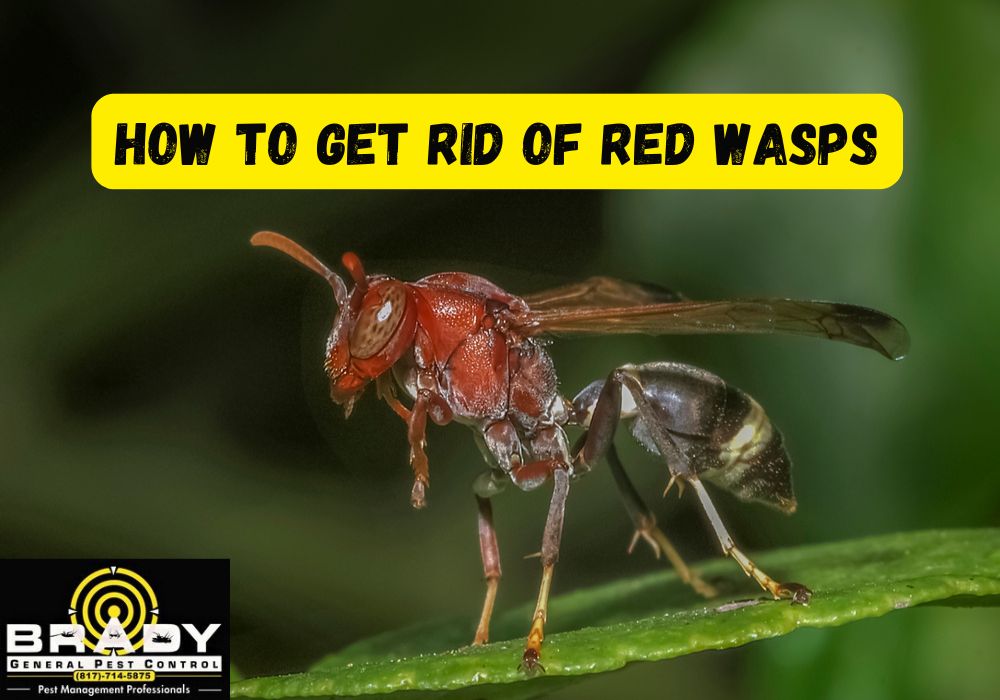
What is a Red Wasp Texas | How To Get Rid of Red Wasps in Texas - Brady Pest Control

The red wasp or the Texas red wasp is one of the yellow jackets which is a member of the paper wasp family. They can be found in Texas and the surrounding regions. 

These ferocious insects usually have reddish-brown hair. Their bodies are slender. They have powerful strings as well. Red wasps are known for their nests made of paper-like material. The red paper wasp nests can be found under the eaves, on tree branches, or in your attic. you can also write a detailed guide on types of red wasps.

To further enhance your understanding, it’s essential to note that red wasps in Texas are social insects. Usually, they inhabit colonies ranging from several tens to hundreds of wasps in a nest. This social behavior refers to if one of the Texas wasps feels threatened, the rest of the wasps will not hesitate to swarm to protect the nest. Hence, it is essential to alert homeowners to the presence of these nests to call for early removal to avoid incidences of stinging or infestation.

Don’t wait! Contact us today at Brady Pest Control to help you get rid of wasps. 

Identification of Red Wasp in Texas

Identification of Red Wasp in Texas

Texas wasps can thrive in the hot climate of Texas. They construct their nests along shaded structures such as homes and gardens. Identifying red Texas wasps is simple. This is due to their unique looks. Look for reddish-brown bugs which have slim bodies and dark wings. Their nests are paper-like structures that can seen in covered areas around houses. You may come across the red paper wasp nest that looks like a tiny paper plate, then it’s most likely that it belongs to red wasps.

Queen Red wasps are responsible for laying eggs. They start new nests in red wasp colonies. The survival and growth of the red wasp population depend on their presence. you can also read our latest on Types of Wasp in Texas – Identification and Prevention of Wasps

Prevention of Red Wasps in Texas

Seal Entry Points: 

Inspect your home thoroughly. Seal any cracks. Close all the openings through which red wasps could enter.

Keep It Clean: 

Keep red wasps away. Make sure that outdoor areas are kept clean. Pick up food scraps and maintain proper garbage disposal systems.

Trim Vegetation: 

Cut off any trees or bushes near your place of residence regularly. Do not give red wasps a chance of having nesting sites.

Secure Garbage Bins: 

Red wasps should not scavenge for food. Make sure that trash cans are covered with tight lids. 2 weeks ago we wrote a detailed guide on How Much Wasp Nest Removal Costs in Grand Prairie, TX 2024.

Impact of Red Waps Texas

A red wasp in Texas can be a headache. It is capable of inflicting pain, swelling, and occasionally a more dangerous allergic reaction. Furthermore, their colonies lead to major house structural problems which need costly improvements and infestations.

Final Words!

It is crucial to keep the red wasp infestation in Texas under control, and it is of equal importance that homeowners do its identification and prevention. This can be achieved through in place of prevention and professional help. you can also read our latest guide on Black Wasp Texas Identification and Prevention! How They Impact You

In Grand Prairie, TX, Brady Pest Control is a reliable and well-known company that offers effective and residue-free Red Wasp control services, allowing for safer conditions at your homes and around your family. Fill our form or phone 817-714-5875 for immediate assistance.

Red Wasp Texas Frequently Asked Questions

Do Texas red wasps sting?
Yes, a Texas red wasp can sting. They are not aggressive. Red wasps only attack when they sense danger.

Is red wasp harmful?
Red wasps can also be harmful. Their bite can cause discomfort and swelling. In rare cases, it provokes serious allergies.

How do you get rid of red wasps in Texas?
Try Brady Pest Control service for quick and reliable elimination of wasp nests in the area.

What is the most aggressive wasp in Texas?
Yellow jacket (Vespula squamosa) is the most aggressive wasp species in Texas.

Are red wasps harmful?
Yes, red wasps are dangerous. Their sting can be painful, accompanied by swelling and, in some cases, a severe reaction if the patient has an allergy to the venom. In most cases, the sensation is painful but only lasts for a few minutes. read also Snakes, Fleas, Spiders, and Wasps Activity in Texas Summer

Are red wasps aggressive? 
Yellow jackets are more aggressive than red wasps. They are known to sting only when threatened or when they have to defend their nest.

What is the most aggressive wasp in Texas?
The paper wasp is one of the most aggressive wasp species in Texas and is well known to defend its nests.

Are red wasp stings poisonous?
Yes, the sting of a red wasp is venomous. It can be painful and cause skin irritation and may result in an allergic reaction in some people.

Will a red wasp chase you?
Red wasps are aggressive if they feel their nest is in danger, but they are not aggressive unless provoked.

What kills red wasps instantly?
Red wasps can also be killed instantly using vinegar, dish soap, and some essential oils found in most homes.

Do red wasps eat mosquitoes?
No, red wasps don’t eat mosquitoes. They usually feeds on nectar and other insects and does not feed on mosquitoes.
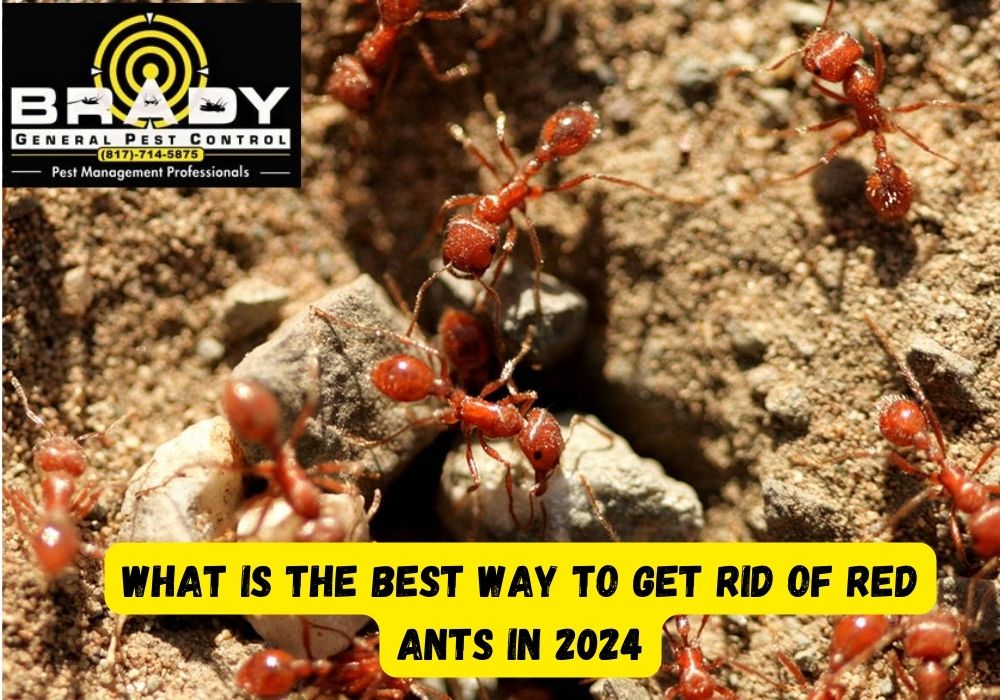
How to Get Rid of Red Ants Outside Permanently from Your Home?

Do red ants disturb your peace of mind? Brady Pest Control in Grand Prairie, TX, will solve this problem. The constant appearance of red ants around a home can be frustrating. With proper care, you can eliminate them forever. You can ensure your house is ant-free by implicitly an effective approach. 

Several techniques can be tried, from maintaining the cleanliness of outside areas to caulking the doors and applying ant baits. With our Brady Pest Control‘s expertise, you’ll get rid of the problem with red ants for good. you can read our latest blog on 08 Infestation Signs of Carpenter Ants in House?

What is the Best Way to Get Rid of Red Ants?

What is the Best Way to Get Rid of Red Ants in 2024 - Brady Pest Control

1. Keep Outdoor Areas Clean:

Red ants tend to be attracted to crumbs of food and organic matter. Make sure your outdoor areas are always picked up and tidy. It may prevent them from establishing their communities.

2. Seal Entry Points:

Check the exterior of your house for any cracks, spaces, and openings. Red ants may sneak in via them. Seal these entry points. Use caulk or silicone. It prevents ants from entering your housing.

3. Use Ant Baits:

Place ant baits in areas where red ants are active. Position it near outdoor trails or next to ant mounds. Ant baits consist of slow-acting insecticides. They will bring it back to their nest. It completely eradicates the entire nest with time.

4. Apply Diatomaceous Earth:

Diatomaceous earth is a natural material. Sprinkle it around your home. It makes a barrier that red ants won’t go through. This powdery substance will soak up the oils and fats necessary for ants’ exoskeletons. It causes dehydration and their death.

5. Try Natural Repellents:

Some natural products e.g. peppermint oil, cinnamon, or citrus peels make a good red ants repellent. Just sprinkle these compounds on the ants’ territory. It deters the ants from hanging around. We published the latest posts on why ants are in my house.

6. Use Boiling Water:

Pour the boiling water straight into red ant nests. It is a great way to eradicate ant colonies. However, do not forget to be careful with hot water! Protective clothing should be worn to prevent burns.

7. Pour White Vinegar:

White vinegar helps to fight off red ants. Pour a liter directly onto their nest to kill them. Vinegar will not damage the plants and soil. It is the safest option.

Contact Brady Pest Control today! Get rid of red ants outside your home permanently!

8. Mix Boric Acid and Sugar:

The combination of boric acid and sugar is a highly effective baiting system for red ant termination. The mixture triggers ants to take it to their colony and then kills them. 

This method eradicates all colonies immediately. It stops the formation of a new one. Apply the paste at the entrance of the ant colony. you can also read our latest post on How to Get Rid of Tiny Ants in Kitchen

9. Trim Vegetation: 

Red ants usually construct their nests in dense vegetation. Keep your lawn well-trimmed. Trim back any vegetation around your home. It keeps your property clean of red ants.

10. Consult a Professional:

If you have a troublesome red ant problem that is large and widespread, it is probably time to search for a Brady Pest Control in Grand Prairie, TX. They assess the situation. They provide the most suitable treatment alternatives for removing red ants from your place. latest post on Red Wasp Texas Identification and Prevention! How They Impact You

Final Words!

Practicing the above ways and being proactive in the steps you take to eliminate the ants will help you successfully control them. Enjoy a pest-free environment. Be careful with insecticides. Follow label instructions for safe use.

Call Brady Pest Control for your red ants removal. Fill out our form. Or call 817-714-5875 now.

Types of Wasps in Texas – Identification and Prevention of Wasps in 2026

Different types of wasps are found in Texas. Wasps can cause damage. It is important to handle them. Brady Pest Control can help you. Get rid of wasps. It’s essential to understand the types of wasps in Texas and their characteristics. Whether you’re dealing with a wasp nest in your yard or simply trying to avoid a sting, proper identification is key. In this guide, we’ll cover the most common Texas wasp species, their behavior, and how to identify them.

Types of Wasp in Texas

Why Do Wasps Nest in Pergolas and Roof Peaks? Brady Pest Control | WASPS in Roof Eaves

There are different Texas wasps. Let’s look into the details. Texas is home to several Texas wasps and hornets, each varying in size, color, and behavior. These insects are more than just a nuisance; some can be aggressive, while others are more passive. Knowing the Texas wasps identification can help you deal with them safely. Here are the different types of wasps you may encounter in Texas. Let’s look into the details

1- Paper Wasps

Paper wasps are found in Texas. They are famous for nest-building skills. Paper wasps use paper-like material. They are present under eaves.

Identification: Paper wasps are slim. They are brown with yellow markings. 

Prevention: Look for their nests. Check nooks and crannies. 

2. Yellow Jackets

Yellow Jackets are aggressive. They have a painful sting. Yellow Jackets build nests underground. 

Identification: Yellow Jackets are yellow and black. They love sugary foods. 

Prevention: Keep your food covered. Seal your trash bins tightly.

Looking for a safe way to handle Texas wasps and hornets? Contact Brady Pest Control for fast and reliable service!

3. Mud Dauber Wasps

Mud daubers are solitary wasps. They form the mud nests. Mud wasps are beneficial as they control spiders. They can be startling if you stumble on their nests. 

Identification: Mud Dauber wasps are black with yellow or blue markings on them.

Prevention: Check for Mud nests around your house.

4. Bald-Faced Hornets

Bald-faced hornets are big wasps. Hornets are larger and more aggressive than most Texas wasp species. These wasps are mean and aggressive. They are not hornets. Bald-faced hornets have papery nests. They are found hanging from trees. 

Identification: Bald-faced hornets are black with white markings. 

Prevention: Do not disturb their nests. Get professional help for removal. 

5. Cicada Killer Wasps

Cicada killers are large. They are harmless to humans. Cicada wasps burrow underground. They prey on cicadas. 

Identification: The Cicada killer wasp has a black body with yellow stripes. 

Prevention: Keep lawns well-maintained. Don’t let wasps build their nests. 

Preventing Wasp Infestations

Inspection: Check your home for nests. Look for the signs of wasp activity. 

Seal Entry Points: Seal all the gaps. Close off all the holes in the house. 

Keep it Clean: Remove the food sources. Food attracts wasps.

Professional Help: Get professional help from Brady Pest Control. They remove wasps in Texas.

Same Day Wasp Control and Nest Removal Services in Grand Prairie - Brady Pest Control

Why Is Wasp Identification Important?

Knowing the types of wasps in Texas helps you understand how to avoid them and how to respond if you get stung. For instance, yellowjackets are highly aggressive and can sting multiple times, while mud daubers are far less likely to sting. Proper identification can also help you identify which species are more likely to build nests around your home.

Texas wasps and hornets can cause damage to your home if their nests are not addressed. In the case of yellowjackets, a nest near your home or workplace can be particularly dangerous due to their aggressive nature. It’s best to call in an expert for help.

Final Words!

Stay vigilant. Wasps can cause damage. Take preventive measures. Keep the pesky Texas wasps away. Get help from Brady Pest Control. Fill out our form. Call 817-714-5875 today.

Read our Latest Posts:

Frequently Asked Questions

What are the most common wasps in Texas?

The most common types of wasps in Texas include yellowjackets, paper wasps, and mud daubers. These species are found all over the state and have different behaviors and nest-building habits.

Which Texas wasp has the worst sting?

Yellowjackets are known for having the worst sting. They can sting multiple times and are highly aggressive, especially when their nest is disturbed.

How aggressive are Texas wasps?

Aggression varies by species. Yellowjackets and hornets are the most aggressive, while mud daubers are more passive and only sting when provoked.

What is the most harmless wasp?

Mud daubers are the most harmless. They rarely sting unless provoked and are not known to be aggressive.

What is the deadliest wasp sting?

The yellowjacket is considered to have the most painful and potentially dangerous sting. In some cases, stings from yellowjackets can cause allergic reactions, which may lead to serious health issues.

Do wasps remember faces?

Yes, wasps can recognize and remember faces. This ability helps them identify potential threats to their nests.

Can you survive 100 wasp stings?

While it’s possible to survive 100 wasp stings, it would be extremely dangerous, especially if the individual stung is allergic to wasp venom. Immediate medical attention is necessary in such cases.

What is the most common wasp in Texas?

Paper Wasp is the most common wasp in Texas.

What is the killer wasp in Texas?

The cicada killer wasp is the largest in Texas. It is up to 1 inch in length. 

Are Texas paper wasps aggressive?

Texas paper wasps are aggressive.  They only attack when someone disturbs their nests. 

What are the fuzzy wasps in Texas?

Red velvet ants are fuzzy wasps. The wingless females resemble ants. They have dense fur-like hair.

Which Texas wasp has the worst sting?

Tarantula hawks have the worst sting in Texas.

What is the black wasp-like insect in Texas?

Mydas fly is the black wasp-like insect in Texas.

Are Texas wasps aggressive?

Texas wasps are not aggressive. They attack when they feel threatened.

Do Texas wasps sting?

Usually, Texas wasps don’t sting. They will sting when they feel threatened.

Are Texas red wasps aggressive?

Texas red wasps are not aggressive. They will sting if they are disturbed.

What attracts wasps in Texas?

Sweets and meats attract wasps in Texas.

Do black wasps live in Texas?

Yes, black wasps live in Texas.

Are wasps protected in Texas?

Yes, wasps are protected in Texas.

How Much Does Cockroach Extermination Cost in Grand Prairie, TX? 2024 Guide

Cockroach infestations in Grand Prairie, TX can cause disaster. It damages your property. Cockroaches can pose health risks. Brady Pest Control offers effective solutions. Different treatment options are available. They offer comprehensive solutions. The pest control costs for cockroaches are different. 

Let us look at the details!

Cockroach Extermination Cost in Grand Prairie

Cockroach Pest Control Expert in Grand Prairie, TX - Brady Pest Control

The price for cockroach extermination services is $256–$374. The pest control costs for cockroaches depend on various factors. Such as;

  • Size of property
  • The severity of the infestation
  • Treatment method 

Cockroach Treatment Methods 

Let us look at the treatment methods. And the costs associated with them.

  1. Fumigation:

Cost Range: $1,000– $3,000 per square foot

Fumigation is also known as tenting. It is an effective method. Fumigation is used in severe cockroach infestations. Your home is enclosed in a tent. It is then fumigated with chemical gasses. This process eliminates the pests. It is potent. 

Fumigation can be costly. This method is an extensive process. Specialized equipment is involved in the process. 

  1. Gel Bait:

Cost Range: $100– $600 per square foot

In Gel bait treatment, poisoned baits are placed around your home. It attracts cockroaches towards it. The roaches consume the baits. They carry it to their nests. The poisonous bait spreads in their nests. It eradicates the infestation. Gel bait is famous for targeted control. It is more cost-effective than fumigation.

  1. Glue Traps:

Cost Range: $100– $600 per square foot

Glue traps are a chemical-free solution. It captures cockroaches. Glue traps are placed in the area where cockroach activity is high. The pests come in contact with it and get stuck with it. It is an effective method. Many rounds of treatment may be needed for complete eradication.

  1. Cockroach Dust:

Cost Range: $100–  $600per square foot

Roach dust contains boric acid. Boric acid can kill cockroaches. It is spread in the affected area. It is used for hard-to-reach spaces. Roach dust protects against future infestations.

  1. Insecticides Cockroach Treatment/Spray:

Cost Range: $40–  $100 per square foot

Insecticide is sprayed around the home. It is sprayed at the interior and exterior entry points. It is a quick method. Spraying is a convenient solution. It targets minor cockroach infestations. Insecticides are harmful to your health. Consider the potential risks to the children and pets. 

Cockroaches can damage your home. Save your home now. Contact us today!  

The Right Treatment of the Cockroach Problem

Choosing the right treatment for the cockroach problem is important. Brady Pest Control can help you. The experts will assess the situation. They will advise an effective solution. 

Various treatments are available. Each treatment has its advantages. Brady Pest Control will guide you in choosing the best treatment. You can opt for a targeted approach. Choose comprehensive roach eradication. Cost-effective solutions are available. 

Factors Affecting Cost

Many factors affect the cost of cockroach extermination.

Home Size: 

The size of the home matters a lot. Large homes require extensive treatment. It results in higher costs. 

Infestation Severity: 

The severity of infestation affects the pest control cost for cockroaches. Severe infestations may require multiple treatments. Aggressive processes are required to treat it. It increases the overall costs. 

  • Small infestations:It requires a one-time treatment. It costs around $200– $300. 
  • Medium infestations: Medium Infestations need more attention. It costs $250– $400. 
  • Large infestations: It covers large areas. It costs $400– $800. 
  • Severe infestations: Severe infestations need intensive treatments. It costs more than $450. 

Treatment Type: 

Different treatments cost varying prices. Choose something that suits your budget. Make sure it fulfills the effectiveness requirements. 

Final Words!

The cockroach infestation can cause disaster. It can compromise your health. Cockroaches damage your home’s hygiene. Partner with Brady Pest Control. Take steps to eradicate cockroaches. Gain comfort in your living spaces. Plan customized treatment with us. Fill out our form. Call 817-714-5875 today. 

How Much Does Termite Treatment Cost in Grand Prairie, TX in 2024

Are you looking to protect your property in Grand Prairie from termites? Brady Pest Control Services in Grand Prairie, TX, offers budget-friendly solutions.

Cost of Termite Treatment 

The cost of termite treatment depends on the following factors;

  • The extent of infestation
  • The type of treatment  

In Grand Prairie, TX, the average cost of termite treatment falls in a budget-friendly range. It costs around between $400 and $1600 for termite control services, including termite treatments.

Continue reading “How Much Does Termite Treatment Cost in Grand Prairie, TX in 2024”

How to Get Rid of Spiders Outside The House?

Spiders are easily found outside homes. Their presence is unsettling for many individuals. You can keep these eight-legged creatures at bay.

Maintain a spider-free outdoor space by following several strategies. You can try natural remedies. Get help from pest control services. Brady Pest Control in Grand Prairie, TX. can help you handle this situation peacefully. 

Best Way to Get Rid of Spiders Outside the House?

  • Keep Outdoor Areas Clean

Regularly clean up debris. Spiders hide in woodpiles. Trim back vegetation around your home. It reduces hiding spots.

  • Use Natural Repellents

Sprinkle diatomaceous earth around entry points. Essential oils like;

  • Peppermint 
  • Tea tree
  • Citrus acts as a natural repellents. 

It is sprayed around your house to deter spiders.

  • Remove Spider Webs

Regularly sweep away spider webs. Use a vacuum cleaner or broom. Clean the areas where spiders build their webs.

  • Seal Entry Points

Check outside of your home for cracks. Look for the openings where spiders can enter. Seal these entry points with caulk. Use weather stripping to prevent spiders from gaining access to your house.

Take action against spider infestations. Contact us now!

  • Install Outdoor Lighting Strategically

Spiders are attracted to light sources. Use yellow or sodium vapor lights. It is less attractive to insects. Keep the outdoor lights off when not needed. It can reduce spider activity around your home.

  • Use Spider-Repelling Plants

Plant certain herbs and flowers known for their spider-repelling properties. The eucalyptus, lavender, mint, and marigolds can help deter spiders from taking up residence.

  • Apply Spider-Specific Pesticides

Use spider-specific pesticides labeled for outdoor use. Follow the manufacturer’s instructions carefully. Avoid spraying near water sources or edible plants.

Hire Professional Pest Control Services

Best Solutions for Long-Term Pest Management in Desoto TX - Brady Pest Control

Get help from a professional pest control company for severe spider infestations outside the home. They can assess the situation. Develop a customized treatment plan. And safely apply effective pesticides to eliminate spiders from your outdoor space.

Final Words!

You can get rid of spiders outside your house easily. Create a pleasant outdoor environment. Opt for professional pest control services like Brady Pest Control. Take proactive steps to control spider populations. It can help you enjoy your outdoor space without the unwanted arachnid guests.

Get help from Brady Pest Control in Grand Prairie, TX. Fill out our form to get a free quote today or call 817-714-5875.

Frequently Asked Questions 

Why do I have so many spiders outside my house?

Spiders are attracted to outdoor environments. It offers ample food sources like insects. It provides suitable hiding spots such as vegetation, debris, and cracks in walls. Outdoor lights can draw insects, which attract spiders seeking food.

What is the best way to get rid of spiders outside?

The best way to get rid of spiders outside your house is to; 

  • Keep outdoor clean
  • Remove their webs regularly
  • Seal entry points
  • Use natural repellents 
  • Seek professional pest control services for severe infestations.

What keeps spiders away permanently?

Spiders can be kept away permanently by implementing a combination of preventative measures. Maintain a clean outdoor environment. Plant spider-repelling herbs. Address any underlying insect issues that attract spiders.

Why are there a lot of spiders outside my house?

A high population of spiders outside your house may indicate favorable environmental conditions. Abundant prey and suitable hiding spots can cause severe spider infestations outside your home.

What smells do spiders hate?

Spiders dislike the smell of essential oils such as;

  •  Peppermint
  • Tea tree
  • Citrus. 

These scents can act as natural repellents.

What are spiders most afraid of?

Spiders are most afraid of predators. They are afraid of birds, lizards, and larger spider species. They exhibit avoidance behavior towards certain scents and movements that signal potential danger.

What annoys a spider?

Spiders can be annoyed by disturbances to their web. Vibrations or disruptions caused by wind, rain, or human activity can disrupt spiders. Scents like citrus can deter spiders.

What is the biggest enemy of spiders?

The biggest enemy of spiders in nature is the predators. Lizards and other predatory insects feed on spiders. Spiders are part of their diet.

What naturally kills spiders?

Several natural substances can effectively kill spiders. It includes;

  • Diatomaceous earth
  • Vinegar
  • Citrus-based cleaners
  • Essential oils (tea tree and peppermint)

These substances can be sprayed directly on spiders to eliminate them.

Take control of your outdoor space today! Contact Brady Pest Control for professional spider extermination services.

Found a Dead Bed Bug Shell after Treatment? What To Do with them in 2026

Finding dead bed bug shells in your home after treatment can be both a relief and a cause for concern. It shows the progress of bed bug treatment and the quick need for thorough cleanup and preventive measures.

Brady Pest Control offers the best bed bug treatment in Grand Prairie TX. We target bed bugs at all stages of their life cycle with our advanced technology. Brady Pest Control guarantees the eradication of bed bugs.

Dead Bed Bugs Infestation in Your Home

A dead bed bug infestation in your home is unsettling. Dead bed bug shells are found in the area where bed bugs hide. They can be found at places such as;

  • Mattresses
  • Furniture seams
  • Baseboards
  • Crevices in Furniture
  • Cracks in walls

Appearance of Dead Bed Bug Shells

The appearance of dead bed bugs depends on their life stage at the time of death. Adults are easily identifiable due to their larger size. They are five millimeters long and brown to red. Nymphs are younger bed bugs. The color may appear white and darken as they age. you can also explore our latest post on Where Does Pest Control Spray In Apartments

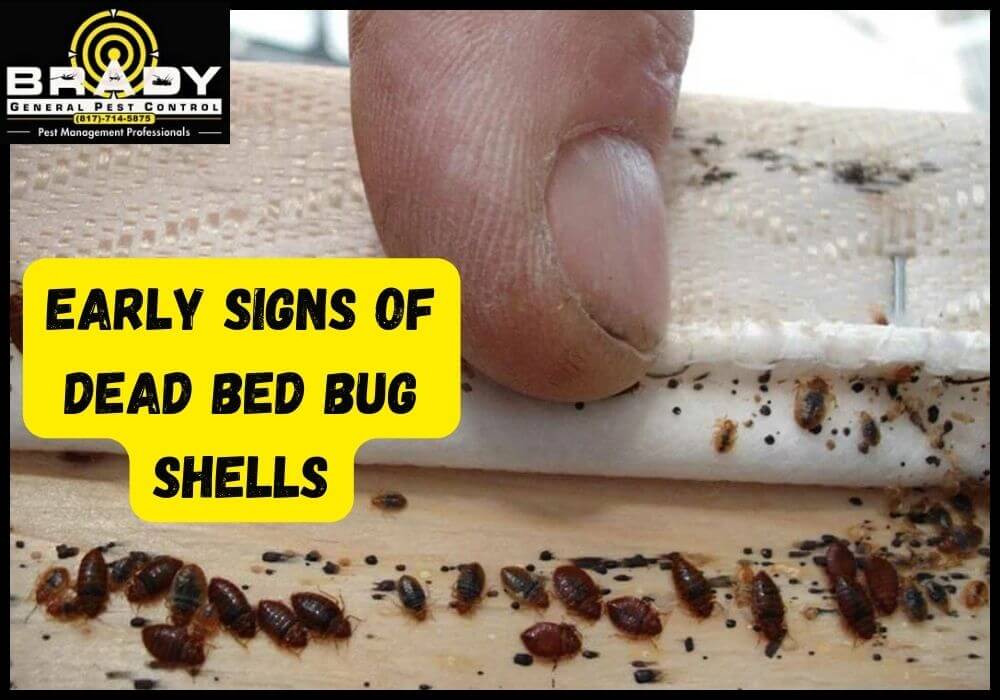
2026 Early Signs of Dead Bed Bug Shells

Early Signs of Dead Bed Bug Shells | Here are Your Next Steps! - Brady Pest Control

One of the most common early signs of dead bed bug shells is the discovery of their exoskeletons or discarded shells. These exoskeletons are left behind when bed bugs grow and molt. They are referred to as bed bug shell casings. These casings are usually thin and transparent. They are made of a papery texture and can be located in the spaces where bed bugs prefer to remain hidden, for instance at the intersection of a mattress and its cover.

With bed bug shell casings it is wise to contact a professional. They will help to eradicate the bed bugs before they spread to cause complications. The shell casings may resemble empty versions of the bug. They are usually lighter in color. You can find them in places where they feed, such as around bed frames or couches, and these shell remnants are often left behind in clusters. 

Read Our Latest Post on Bug:

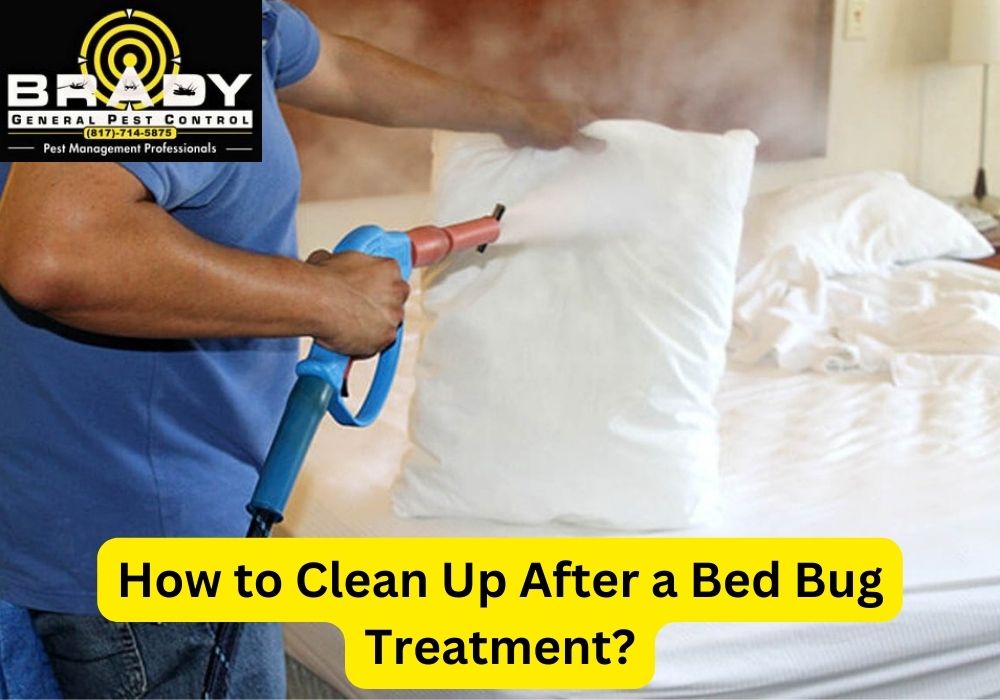
How to Clean Up After a Dead Bed Bug Treatment?

How to Clean Up After a Bed Bug Treatment? | Brady Pest Control

  • Vacuum Thoroughly

Use a vacuum cleaner with a crevice tool to vacuum all areas where dead bed bugs and their shells are present. The areas with bed bugs should be cleaned to get rid of them after treatment. Vacuuming will ensure any bed bug shell casings are swept off the surfaces.

  • Dispose Properly

After vacuuming, seal the vacuum bag. Empty the canister into a plastic bag. Dispose of it outside your home. Throw away vacuum bags and their contents as soon as possible because bed bug shell casings may contain eggs. 

  • Wash Bedding and Clothing

Launder all bedding, clothing, and fabrics. Use hot water. A high heat setting in the dryer should be used.

  • Inspect and Seal Cracks

Seal the cracks and crevices by using caulk. It prevents future infestations.

Read More Our Latest Posts:

Get Help!

Contact Brady Pest Control Services in Grand Prairie, TX. Call at 817-714-5875 or fill out the form. The expert treatment makes sure that your home remains bed bugs-free.

Frequently Asked Questions of  Dead Bed Bug Shells!

What does a dead bed bug look like?

 A dead bed bug appears flat, dried out, and shriveled. The color depends on its life stage and ranges from brown to reddish-brown.

What does it mean when you find a bed bug shell?

A bed bug shell (exoskeleton) indicates the infestation of bed bugs. The presence of shells shows that it has gone through the molting process as it grows.

What do bed bug shells look like?

 Bed bug shells are translucent and papery in texture. They resemble the shape and size of an adult bed bug but lack the coloration.

Do bed bugs leave empty shells?

Yes, bed bugs shed their exoskeletons as they grow. They leave empty shells behind. These shells can accumulate in areas where bed bugs infest.

What to do if you find a dead bed bug?

If you find a dead bed bug after treatment. Grab a vacuum. Vacuum cracks and crevices to remove any debris and shells.

Is one dead bed bug bad?

If you find a dead bed bug, kill it. Finding one dead bed bug may indicate the presence of a larger infestation.

Why did I find one dead bed bug?

Finding one dead bed bug doesn’t mean infestation. It is possible that you picked it up from somewhere and discovered it shortly.

How long will I find dead bed bugs?

The presence of dead bed bugs continues for a few days after treatment.

What instantly kills bed bugs?

Heat treatments can kill bed bugs instantly. Insecticides specifically designed for bed bugs are also an effective method for instantly killing bed bugs. 

Is it safe to sleep with bed bugs?

Sleeping with bed bugs can cause serious health risks. It can cause allergic reactions.

Is it okay to live with bed bugs?

Living with bed bugs is not ideal. It can negatively impact your quality of life.

Is it dirty to have bed bugs?

Bed bugs are not attracted to dirt. They can infest clean environments. Their presence does not necessarily indicate poor hygiene.

Will sleep with the light on stop bed bugs?

Sleeping with lights on won’t keep bed bugs from feeding. It is not a reliable method for preventing an infestation.

How can I avoid bed bugs while sleeping?

Wash your bedding with hot water regularly. It is the best way to avoid bed bugs.

Don’t let bed bugs take over. Call us today for professional assistance!


What does a dead bed bug shell look like?

A dead bed bug shell looks like an empty, translucent version of a bed bug. It appears papery, light-colored, and fragile, resembling the shape of the bug but without its dark color.

Why am I finding bed bug shells?

You are finding bed bug shells because they shed their exoskeletons as they grow, which is a sign of an infestation.

What do bed bug egg shells look like?

Bed bug eggs are small, elongated, and oval. They are surrounded by a lid, which opens when the bug hatches.

What does it mean if you find a bed bug exoskeleton?

An exoskeleton of a bedbug spotted in an infested area proves that there are bed bugs.

How do you identify a bed bug shell?

The infestation can be confirmed by the presence of an empty, clear, shell that has the shape of a bed bug in the affected area.

pet at home

Effective Flea and Tick Prevention and Control for Pet Owners

As pet owners, keeping our furry companions healthy and happy is a top priority. However, fleas and ticks can pose a serious threat to the well-being of our pets and even affect the comfort of our homes. These blood-sucking parasites not only cause itching and irritation for our pets but can also transmit diseases, making it crucial for pet owners to take proper measures to prevent, detect, and control flea and tick infestations. As dedicated pest management professionals, we’re here to guide you through the process of protecting your beloved pets and maintaining a flea and tick-free home.

Fleas are tiny, wingless insects that infest and feed on the blood of mammals and birds, while ticks are small arachnids that latch onto their hosts in search of a blood meal. Both parasites can rapidly multiply and are capable of transmitting various diseases to their hosts, such as flea-borne typhus, Lyme disease, and Rocky Mountain spotted fever. A flea and tick infestation is not only uncomfortable and potentially dangerous for your pets but can also lead to issues within your home, as these pests may invade your living spaces and even target human occupants.

To ensure a healthy environment for your pets and family, it’s important to enact effective strategies for flea and tick prevention and control. In this comprehensive guide, we’ll provide essential information on identifying flea and tick infestations, preventive measures for your pets and home, and reliable control and treatment methods. With our expert advice, you can keep your pets safe, happy, and free from the discomfort and risks associated with flea and tick infestations.

Preventive Measures for Fleas and Ticks on Pets

One of the most effective methods to keep your pets and home free from fleas and ticks is through prevention. Familiarize yourself with these essential preventive measures that can be applied to protect your pets from these pesky parasites:

  1. Regular Grooming: Brush your pet’s fur regularly to check for fleas and ticks. This not only helps with early detection but also improves your pet’s overall comfort and well-being.
  2. Flea and Tick Treatments: Use veterinarian-approved flea and tick treatments, such as topical medication, oral preventives, and medicated collars. Make sure to follow the manufacturer’s instructions and consult your veterinarian for guidance on the most suitable products for your pet.
  3. Keep Your Pet’s Environment Clean: Wash your pet’s bedding, blankets, and toys regularly. This helps to remove any fleas or ticks that might be hiding in these areas.
  4. Pest-Resistant Outdoor Spaces: If your pet spends time outdoors, make sure your yard is well-maintained. Keep grass mowed, trim bushes regularly, and clean up leaves to minimize potential hiding places for fleas and ticks.

Detecting Flea and Tick Infestations on Pets

Early detection of flea and tick infestations on your pets is crucial for effective control and treatment. Follow these steps to identify the signs of an infestation:

  1. Visual Inspection: Regularly examine your pet’s skin and coat for signs of fleas or ticks. Be sure to check behind the ears, under the legs, and around the neck. Fleas are small, reddish-brown, and can be seen moving through your pet’s fur. Ticks are larger and can be felt as small, firm bumps on your pet’s skin.
  2. Flea Dirt Test: Look for tiny, dark specks in your pet’s fur or bedding. Use a flea comb to collect the specks and place them on a damp white tissue. If the specks turn reddish-brown, it is an indication of flea dirt – dried blood excreted by fleas.
  3. Skin Irritation and Scratching: If your pet is constantly scratching, biting itself, or shaking its head, this could be a sign of fleas or ticks. Examine your pet’s skin for redness, swelling, or scabs, which may result from the bites of these parasites.

Flea and Tick Control Methods for Pets

Once you have detected fleas or ticks on your pets, it’s time to take action. Employ these effective control methods to eliminate the infestation on your pets:

  1. Flea and Tick Shampoos: Use a veterinarian-recommended flea and tick shampoo to bathe your pet. This will kill the adult fleas and ticks on your pet’s skin. Be sure to follow the package instructions carefully for the best results.
  2. Combing and Manual Removal: Regularly use a flea comb to remove fleas and flea dirt from your pet’s fur. For tick removal, use tweezers or a tick removal tool, carefully grasping the tick as close to your pet’s skin as possible and pulling it out with a steady, upward motion.
  3. Consult a Veterinarian: If the infestation is severe, or if your pet is experiencing health issues due to the parasites, consult a veterinarian for additional treatment options.

Preventing and Controlling Flea and Tick Infestations in Your Home

Fleas and ticks not only affect your pets, but they can also infest your home. Take these preventive and control measures to keep your living spaces free from these parasites:

  1. Vacuum Regularly: Vacuum your floors, carpets, and upholstery frequently to remove fleas, ticks, and their eggs. Be sure to dispose of the vacuum bag or contents outside to prevent re-infestation.
  2. Wash and Sanitize: Regularly launder your pet’s bedding and any other washable items with which your pet has come in contact, using hot water and detergent to kill any remaining fleas and ticks.
  3. Pest Control Solutions: Use veterinarian-approved flea and tick sprays or foggers to treat your home. Follow the product instructions carefully for the most effective results.
  4. Hire a Professional Exterminator: For severe infestations, contacting a professional pest control service to treat your home can be the most effective solution. Expert exterminators will have the experience, tools, and knowledge needed to eliminate the infestation entirely.

Conclusion

Protecting your pets and home from flea and tick infestations requires vigilance, preventive measures, and prompt action when these pests are detected. By following the tips outlined in this guide, you can safeguard your pets’ health and maintain a comfortable, pest-free environment for your family. Remember that early intervention and proper treatment are key to successfully managing and controlling flea and tick infestations.

If you’re in need of professional pest control for fleas and ticks in your home, count on Brady Pest Control. Together, we can ensure the health and comfort of your pets and family. Get in touch with us today!