


If you’ve treated your pets for fleas but still see them scratching, you’re not alone. Many homeowners in Texas struggle with recurring infestations and wonder why fleas keep coming back even after treatment.
The truth is simple: most flea treatments only kill adult fleas, leaving behind nearly 95% of the infestation hidden in your environment as eggs, larvae, and pupae. These immature stages develop over time and re-infest your pets, creating a frustrating cycle that feels impossible to break.
In places like Grand Prairie, Arlington, and Mansfield, warm weather accelerates flea life cycles, making the problem even worse. Unless your home, yard, and pets are all treated together, fleas will continue to return.
Still dealing with fleas after treatment? Call now for a complete home and yard inspection.
Understanding the Flea Life Cycle (Why Treatments Fail)
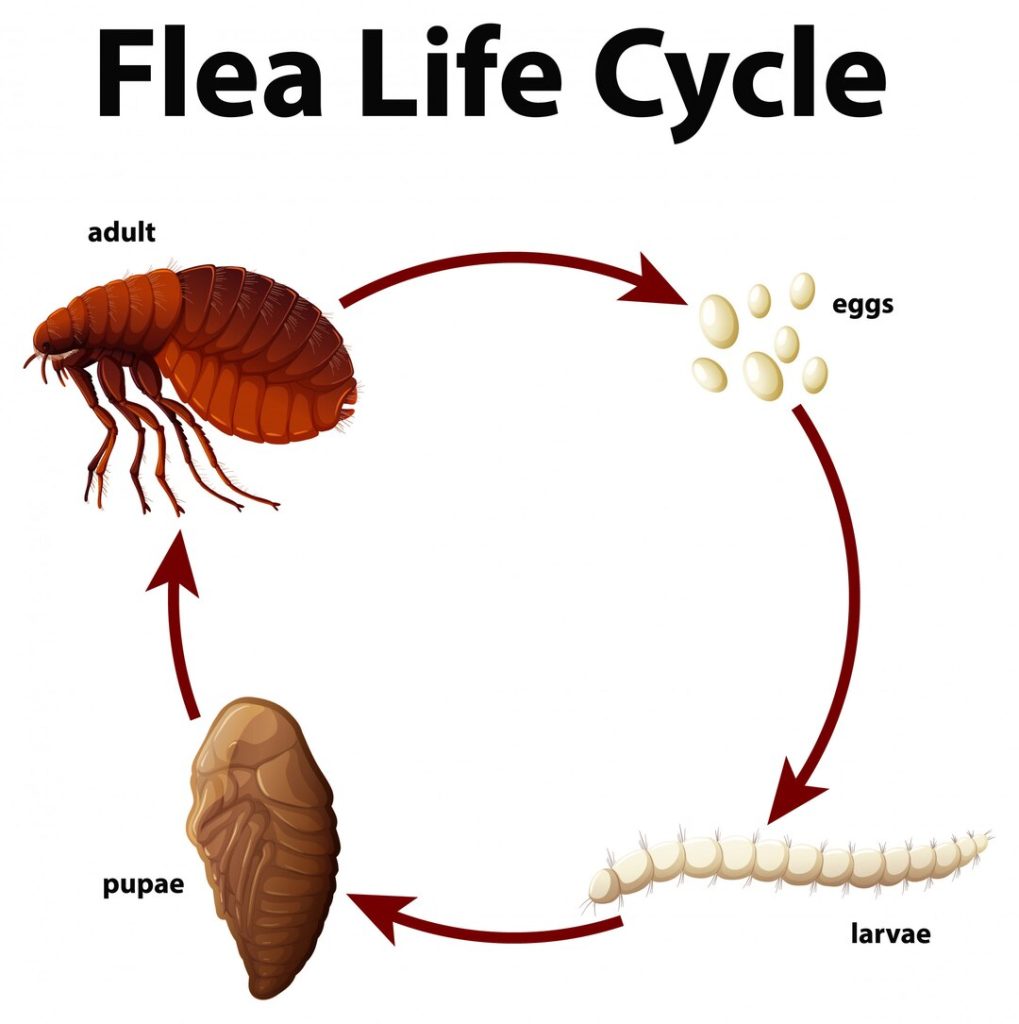
To truly eliminate fleas, you need to understand how they survive.
Flea Population Breakdown
| Stage | Percentage | Location |
| Adult Fleas | 5% | On pets |
| Eggs | 50% | Carpets, bedding |
| Larvae | 35% | Dark, hidden areas |
| Pupae | 10% | Deep in fibers, cracks |
Key Insight: Most of the infestation is not on your pet—it’s in your home and yard.
Pupae are especially difficult because they can stay dormant for weeks or even months, waiting for vibrations or warmth before hatching.
Learn how fleas survive indoors here:
Don’t just treat your pet—eliminate fleas at the source. Book a full-property treatment today.
Top Reasons Fleas Keep Coming Back

1. You’re Not Treating the Environment
One of the biggest mistakes homeowners make is focusing only on their pets.
Fleas hide in:
- Carpets and rugs
- Upholstery
- Pet bedding
- Cracks in floors
- Yard soil and shaded areas
If these areas aren’t treated, new fleas will keep emerging.
Stop reinfestation—schedule a full indoor + outdoor flea treatment now.
2. Incomplete Pet Treatment
Treat all pets in the home consistently.
If even one pet is missed:
- Fleas continue reproducing
- Eggs are laid throughout the home
- Infestation spreads again
This includes:
- Indoor cats
- Dogs that rarely go outside
- Visiting or shared pets
Protect every pet in your home—get expert guidance today.
3. Missing Monthly Doses
Flea preventatives are not permanent shields.
They work by:
- Killing fleas after contact
- Preventing reproduction
But if you:
- Skip doses
- Delay applications
- Stop treatment too early
The flea life cycle restarts.
Stay protected—set up a consistent flea prevention plan now.
4. Outdoor Reinfestation in Texas
In North Texas, fleas thrive outdoors year-round due to mild winters.
Common sources include:
- Lawns and shaded areas
- Parks and walking trails
- Wildlife (raccoons, opossums, stray cats)
These pests continuously re-enter your yard and home.
Learn more about seasonal pest activity here:
Reclaim your yard—book a professional outdoor treatment today.
5. Ineffective or Misused Products
Not all flea treatments work effectively.
Common issues include:
- Weak over-the-counter products
- Incorrect application of topical treatments
- Bathing pets too soon after treatment
- Reliance on natural remedies alone
For comparison between pests, see:
https://bradypestcontrol.com/flea-vs-tick/
Use treatments that actually work — call now for expert pest control solutions.
How to Break the Flea Infestation Cycle
Eliminating fleas takes time and consistency—typically at least 3 months.
Step-by-Step Solution
1. Treat All Pets
- Use vet-approved medications
- Apply treatments on schedule
- Treat every pet in the household
2. Treat Your Home
- Vacuum daily (especially carpets and furniture)
- Wash pet bedding in hot water
- Use targeted indoor insecticides
3. Treat Your Yard
- Apply outdoor flea treatments
- Remove debris and overgrowth
- Focus on shaded areas
4. Stay Consistent
- Continue treatments for at least 90 days
- Do not stop early—even if fleas seem gone
For professional help, visit:
https://bradypestcontrol.com/services/fleas-and-ticks-treat/
Break the cycle for good—schedule your recurring flea treatment plan today.
DIY vs Professional Flea Control
Many homeowners start with DIY methods, but results vary.
Comparison Table
| Method | Effectiveness | Duration | Effort |
| DIY Sprays | Moderate | Short-term | High |
| Natural Remedies | Low | Temporary | High |
| Professional Service | High | Long-term | Low |
Professional pest control offers:
- Stronger, targeted treatments
- Coverage for all life stages
- Scheduled maintenance plans
Skip the trial and error—get professional flea control that works. Call now.
Signs Your Flea Problem Isn’t Fully Resolved
Even after treatment, watch for these signs:
- Pets still scratching
- New bites on ankles or legs
- Flea dirt on bedding
- Fleas appearing after vacuuming
These indicate that eggs or pupae are still developing.
Seeing signs again? Don’t wait — book a follow-up treatment today.
Why Fleas Are Worse in Texas
Texas climates create ideal conditions for fleas:
- Warm temperatures speed up reproduction
- Humidity supports larval development
- Long summers extend infestation periods
This is why homeowners in Grand Prairie, Arlington, and Mansfield need year-round prevention strategies, not just one-time treatments.
Stay ahead of Texas pests—start your seasonal pest protection plan now.
Conclusion
Fleas keep coming back because most treatments only address a small portion of the problem. The majority of fleas exist in hidden life stages within your home and yard, ready to re-infest your pets.
To truly eliminate fleas, you need a complete approach:
- Treat all pets consistently
- Eliminate fleas from your home
- Protect your yard from reinfestation
- Maintain treatments for at least 3 months
Without this strategy, fleas will continue to return.
Tired of recurring flea problems? Contact Brady Pest Control today for expert flea treatments and long-lasting protection across Grand Prairie, Arlington, Mansfield, and the DFW area.
FAQs
Why do fleas keep coming back after treatment?
Because most treatments only kill adult fleas, while eggs and larvae continue developing in your environment.
How long does it take to completely get rid of fleas?
It can take 3 months or longer to fully eliminate all life stages.
Do I need to treat my house if my pet has fleas?
Yes, treating your home is essential to prevent reinfestation.
Can fleas live in carpets and furniture?
Yes, fleas commonly hide and develop in carpets, upholstery, and bedding.
Are DIY flea treatments effective?
They can help temporarily, but severe infestations usually require professional treatment.