
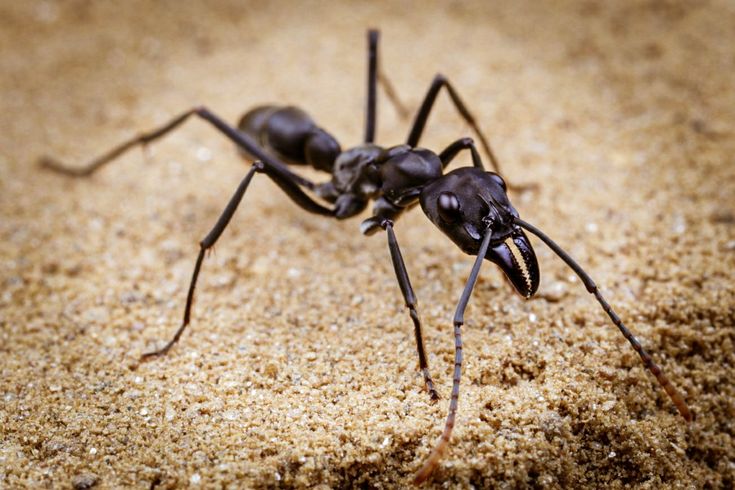
Seeing large black ants in your house—especially during spring—can be alarming for Texas homeowners. In many cases, these ants are carpenter ants (Camponotus spp.), one of the most common structural pests found in homes across Texas. While they are often confused with termites, carpenter ants behave very differently. They do not eat wood; instead, they tunnel into damp or decaying wood to build nests, leaving behind a sawdust-like material called frass.
If you’re spotting these ants in kitchens or bathrooms, hearing faint rustling sounds inside walls, or noticing winged ants near windows, these are strong warning signs of a potential infestation. Recognizing these early indicators can help you take action before serious structural damage occurs.
Ring us at 817-714-5875 or complete our online form. Get in touch with Brady Pest Control for help to get rid of ants.
What Are Carpenter Ants?
Carpenter ants are large ants commonly found in Texas homes, particularly in areas with moisture issues.
Key Characteristics
- Size: ¼ inch to ½ inch long
- Color: Usually black, sometimes reddish or dark brown
- Body: Narrow waist with elbowed antennae
- Behavior: Tunnel through wood instead of eating it
The carpenter ants create smooth galleries inside wood, which can weaken structures over time.
Why You’re Seeing Large Black Ants in Your House
Understanding why carpenter ants enter your home is the first step to controlling them.
Moisture and Wood Damage
Carpenter ants are strongly attracted to damp or decaying wood. Common causes include:
- Leaky plumbing or pipes
- Roof leaks and water damage
- Poor ventilation in attics or crawl spaces
Food Availability
Although they nest in wood, carpenter ants search for food indoors such as:
- Sugary spills and crumbs
- Greasy or protein-based foods
- Pet food left out
Spring Swarming Season
In Texas, spring is peak activity time. Warm weather and humidity trigger carpenter ants to become more active and visible.
Signs of a Carpenter Ant Infestation
Early detection can save you from costly repairs.
Common Signs to Watch For
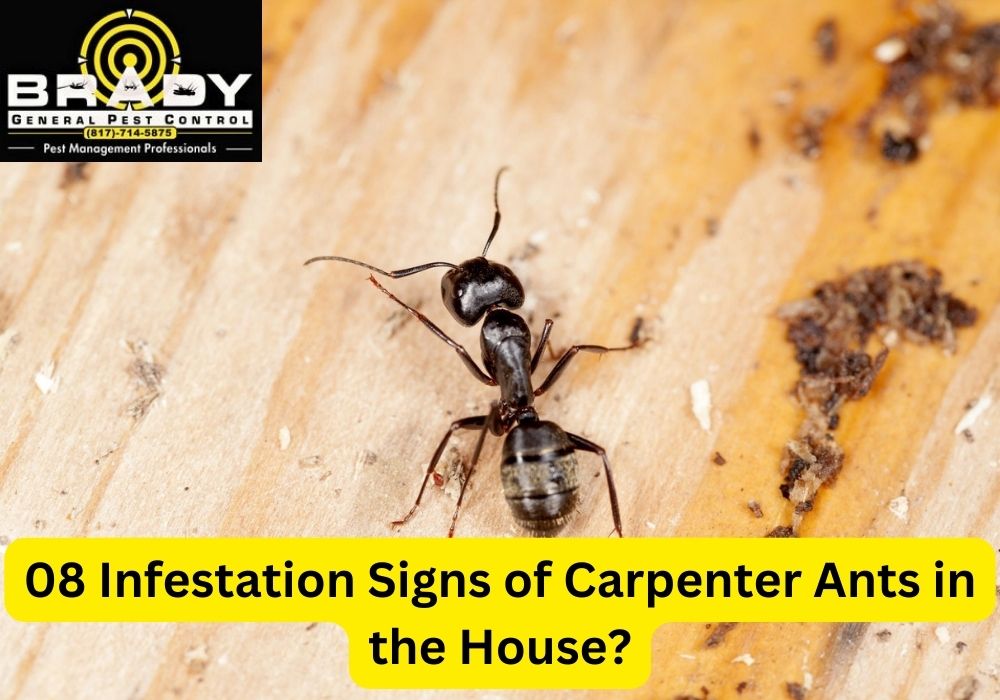
- Large black ants indoors, especially at night
- Frass (sawdust-like debris) near wood
- Rustling sounds in walls or ceilings
- Winged ants (swarmers) around windows
- Hollow or weakened wood structures
If you notice multiple signs, there is a high chance of an active infestation.
Carpenter Ants vs Termites
Many Texas homeowners confuse carpenter ants with termites. Here’s a quick comparison:
| Feature | Carpenter Ants | Termites |
| Waist | Narrow | Thick |
| Antennae | Bent | Straight |
| Wings | Unequal | Equal |
| Wood Damage | Tunnel only | Eat wood |
Correct identification is essential for effective pest control in Texas homes.
Where Carpenter Ants Hide in Your Home
Carpenter ants prefer hidden, moist environments. Common nesting areas include:
- Inside walls
- Attics and ceilings
- Window and door frames
- Bathrooms and kitchens
- Wooden decks and porches
They may also create satellite nests, making infestations more widespread.
How to Get Rid of Carpenter Ants
Prevention Tips for Homeowners
- Fix water leaks immediately
- Improve ventilation in damp areas
- Seal cracks and entry points
- Keep your home clean and food sealed
- Trim tree branches away from your house
Professional Treatment Options
For complete elimination, professional services are recommended:
- Baiting systems targeting colonies
- Residual insecticide treatments
- Nest detection and removal
- Preventative perimeter treatments
Professional carpenter ant control in Texas ensures long-term protection.
Why Carpenter Ants Are a Serious Problem
Even though they don’t eat wood, carpenter ants can still cause significant damage.
Risks Include
- Structural weakening of wood
- Damage to walls, ceilings, and insulation
- Expansion into multiple colonies
- Increased repair costs over time
Ignoring the problem can lead to expensive home repairs.
Seasonal Activity of Carpenter Ants in Texas
| Season | Activity | What to Do |
| Spring | High (swarming begins) | Inspect and treat early |
| Summer | Active foraging | Maintain prevention |
| Fall | Decreasing | Seal entry points |
| Winter | Hidden indoors | Monitor activity |
Spring is the most important time for spring pest control in Texas.
When to Call a Pest Control Professional

You should seek professional help if:
- You repeatedly see large black ants
- You notice frass or wood damage
- You hear sounds inside walls
- DIY methods fail
Experts can locate hidden nests and eliminate infestations effectively.
Conclusion
If you’re dealing with large black ants in your house, you’re likely facing a carpenter ant problem. These pests are common in Texas, especially during spring, and can cause serious structural damage if left untreated. From moisture issues to hidden nesting sites, carpenter ants exploit vulnerable areas in your home.
Taking early action is critical. While prevention helps reduce risk, professional pest control is the most reliable way to eliminate infestations and protect your home.
Don’t let carpenter ants damage your property. Contact Brady Pest Control today for expert inspection and customized treatment solutions designed specifically for Texas homes.
FAQs
Are large black ants always carpenter ants?
Not always, but they are often carpenter ants, especially in Texas homes.
Do carpenter ants damage homes?
Yes, they tunnel through wood and can weaken structures over time.
What attracts carpenter ants inside?
Moisture, food sources, and decaying wood attract them.
Do carpenter ants bite?
They can bite, but it is rare and usually harmless.
When are carpenter ants most active in Texas?
They are most active during spring and early summer.
How do I find a carpenter ant nest?
Look for frass, follow ant trails, or listen for sounds in walls.
Can I get rid of carpenter ants myself?
Minor issues can be managed, but professional treatment is recommended.
What is the fastest way to get rid of carpenter ants?
Professional pest control provides the quickest and most effective results.