
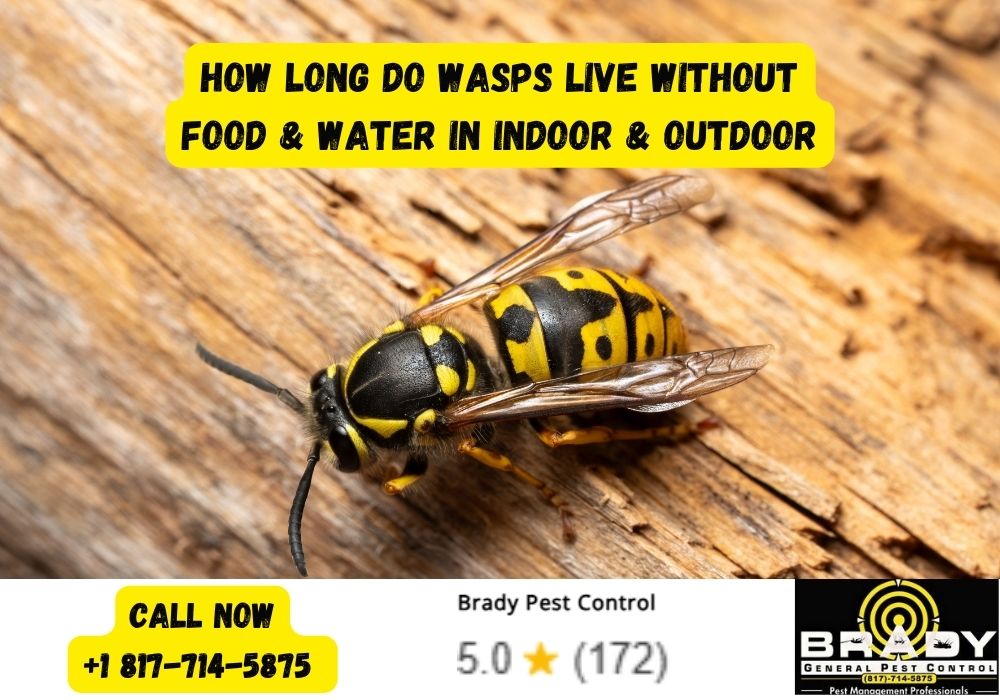
When it comes to understanding wasp lifespans, one of the most intriguing questions is: how long do wasps live without food(2-4)? Knowing a wasp’s lifespan can be vital, especially if you’re dealing with a wasp issue in your home or garden. In this comprehensive guide, we’ll explore the fascinating world of wasps, their life cycle, and what happens when they don’t have access to food.
Many homeowners also wonder questions such as how long do wasps live, what the lifespan of a wasp is, and whether the lifespan of a wasp in house is different from the outdoors. Understanding these factors helps pest control experts determine how long a wasp infestation may last and what steps are needed to eliminate them effectively.
If you find a wasp nest nearby, protect your home with professional help from a local contractor. Our services cater to your unique needs!
What is a Wasp’s Lifespan?
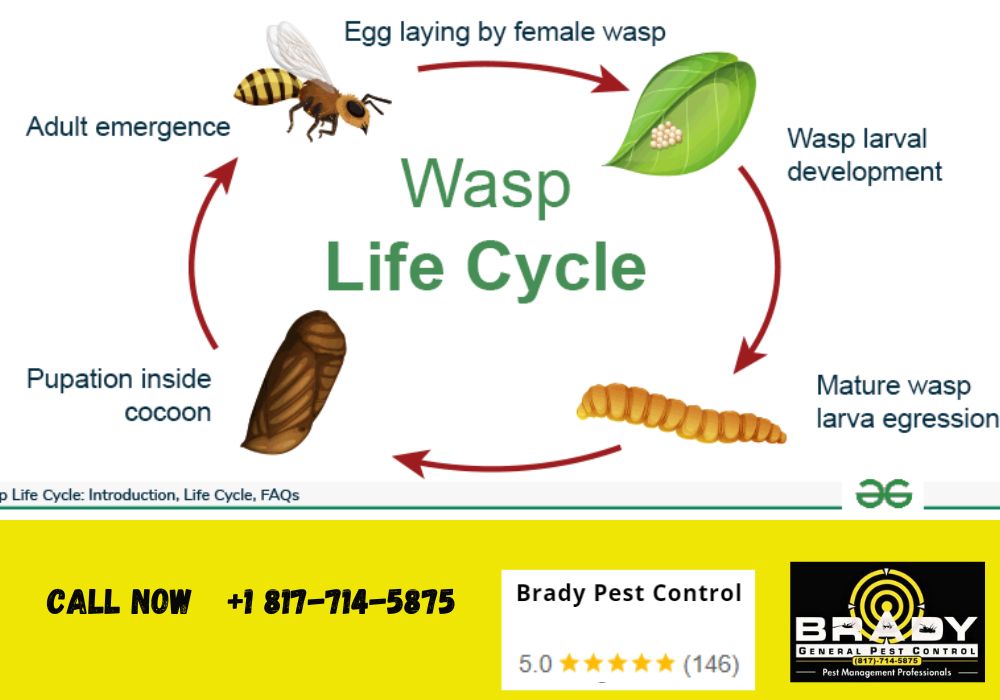
Wasps typically live for different durations based on their type. Generally, a wasp’s lifespan can range from weeks to months. Here’s a quick breakdown:
- Worker Wasps: About 10-22 days during the summer.
- Queen Wasps: Can live up to one year, especially in colder climates where they hibernate.
- Males: They live just long enough to mate, around a few weeks.
Understanding these timeframes about the life span of a wasp can help manage infestations. If you’re encountering a wasp problem in your area, it’s essential to know that their survival is closely tied to food sources.
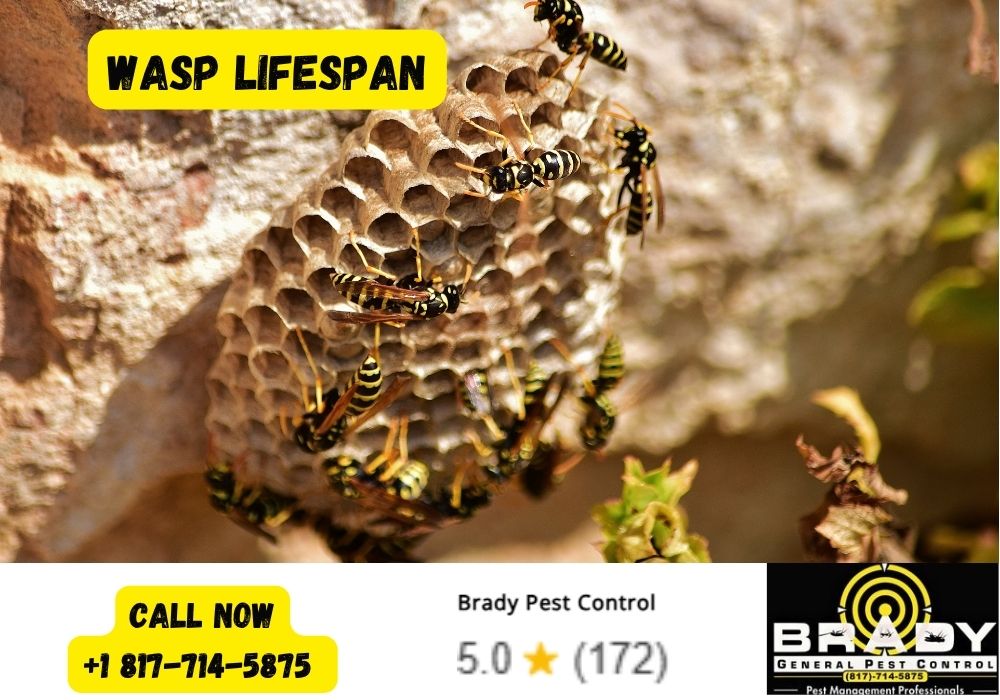
Overall, the average wasp lifespan varies widely depending on species and environmental conditions. While worker wasps live only a few weeks, the queen survives much longer and is responsible for establishing new colonies each year. This difference explains why removing the queen is key to controlling nests effectively. You can also read our latest post on Blown-in Insulation Near Me in Grand Prairie
How Long Can Wasps Survive Without Food?
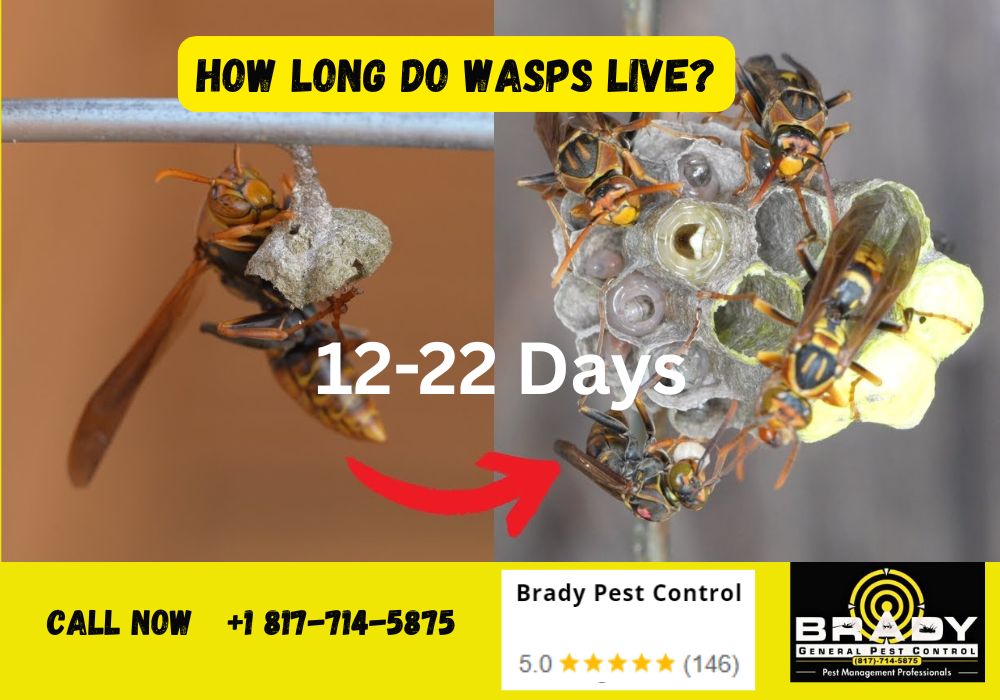
Wasps can survive for a few days to a week without food, depending on the species and life stage. Their survival instincts kick in when food is scarce, and they rely on stored energy reserves. Here is a detailed look into how long different wasps can manage this:
- Worker Wasps: Without food, they generally last about 3-4 days.
- Queen Wasps: Queens can go longer without food—up to 1-2 weeks if needed, especially during hibernation.
- Male Wasps: Males seldom survive without food for more than 1-2 weeks.
Despite their resilience, extended periods without food cause significant stress, often leading to mortality.
If you’re wondering how long do wasp live indoors without food, the timeframe is usually shorter because they cannot access nectar, insects, or sugary liquids. In most cases, a trapped wasp dies within several days due to dehydration and lack of nutrients.
How Long Can Wasps Live Without Water?
The food and water requirements of the wasp are different. The adult wasp can last for a few days without any food but dehydration is a major factor that might occur soon.
When an adult wasp gets trapped in a warm place, there will be greater chances of moisture loss. Thus, a wasp that has found some source of water in the form of condensation or something else might survive more than a wasp that has been trapped in a completely dry place.
How Long Do Wasps Live in Different Environments?

If you’re asking how long does a wasp live, the answer depends heavily on its surroundings. Outdoor wasps typically follow their natural seasonal life cycle, but indoor conditions can sometimes extend their survival slightly.
For example:
- Outdoor worker wasps usually live 2–4 weeks.
- Queens may survive 8–12 months when they successfully hibernate.
- Inside homes, the wasp lifespan in house may range from a few days to about a week if food and water are limited.
This is why homeowners often notice a few wandering wasps indoors for several days after a nest is disturbed. Even without direct food sources, the insects can survive temporarily on stored energy.
How Long Can a Wasp Live Indoors?
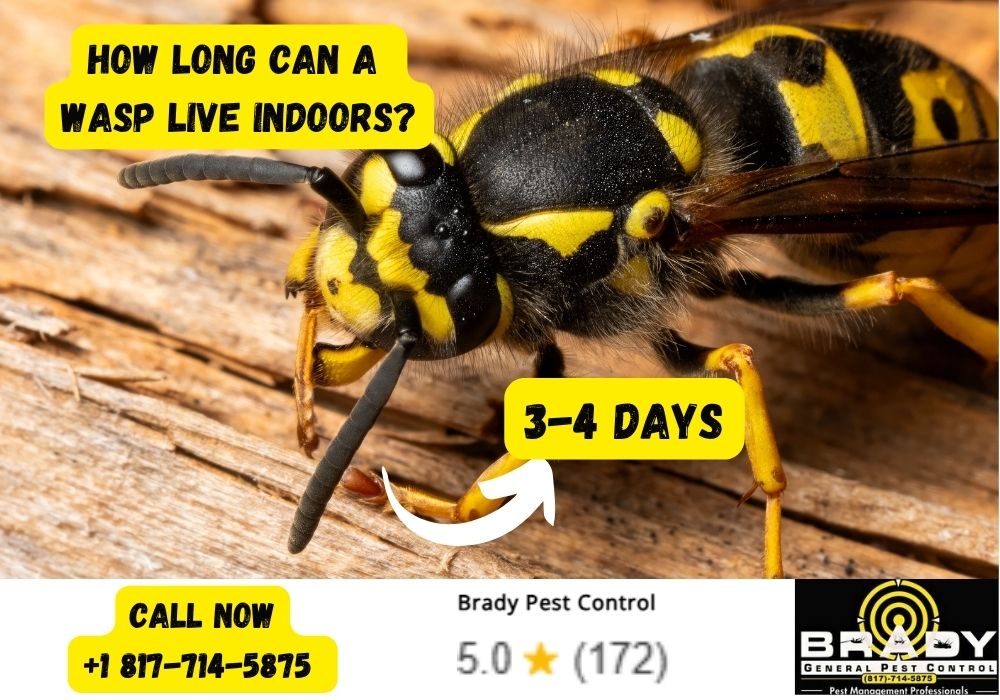
Another common pest control question is how long a wasp can live indoors (Wasps Live 2-4 days indoors without food and water). Wasps that accidentally enter homes through vents, windows, or attic spaces often become trapped.
Without access to food or water:
- A worker wasp usually survives 2–4 days indoors.
- A queen may survive slightly longer due to stored fat reserves.
- Limited moisture sources like sinks or condensation may extend survival briefly.
Because the indoor environment disrupts their natural feeding habits, the lifespan of a wasp inside a home is generally much shorter than outdoors.
Why Do Wasps Keep Appearing Inside Your Home?
The presence of wasps in the home does not automatically mean that there is a nest built by the wasps within the house. The wasps can enter the living space through small openings found on windows, rooflines, vents, soffits, chimneys, and many other openings.
Should you notice that the wasps are entering a certain area of the home, such as the room, the attic, the walls, or near the windows, then check the opening for any possible nest. Killing individual wasps can temporarily reduce their numbers but not solve the problem if there’s a nest nearby.
The Impact of Food Scarcity
When wasps lack food, several behaviors change:
- Increased Aggression: Searching for food can escalate aggressive behavior. Avoid swatting at them, as this can provoke attacks.
- Nest Abandonment: Wasps may leave an area in search of resources, making it vital to eliminate food sources near nests.
Food shortages also affect the overall wasp lifespan. Colonies that cannot access enough nectar or insects may collapse earlier than expected, especially toward the end of the summer season.
Need assistance dealing with a wasp infestation? We provide General Pest Control tailored to your needs—contact us today!
What Happens to Wasps After a Nest Is Removed?
Although the elimination of the visual nest does not always mean that all the wasps are gone instantly, adult workers who were out foraging will come back and try to find their old nesting place. Wasps can be observed even after the nest removal for a certain period of time.
Nevertheless, it cannot be automatically assumed that wasps are active because they are starving. If they stay active for several days, it could be due to the existence of another nest, food and water sources available, and entrance points for other insects.
Need assistance dealing with a wasp infestation? We provide General Pest Control tailored to your needs—contact us today!
Does Wasp Survival Change by Season?
Yes. Wasp activity varies greatly during different seasons. For instance, queen wasps start forming colonies in spring. More worker wasps are seen in the summer season, while increased colony activity is witnessed during the late summer and fall. However, as soon as cold weather sets in, the level of activity in most colonies falls since the majority of them die because of the cold weather. Most types of wasps undergo deaths of workers and males because of the cold, while the fertilized queens survive the winter by being dormant.
On the other hand, it all depends on the type of wasp, weather, and activities. If you see wasps in your house during fall, you will need expert services for inspections to determine whether you have one wasp inside your house or there is a colony near you.
How to Prevent Wasps in Your Area
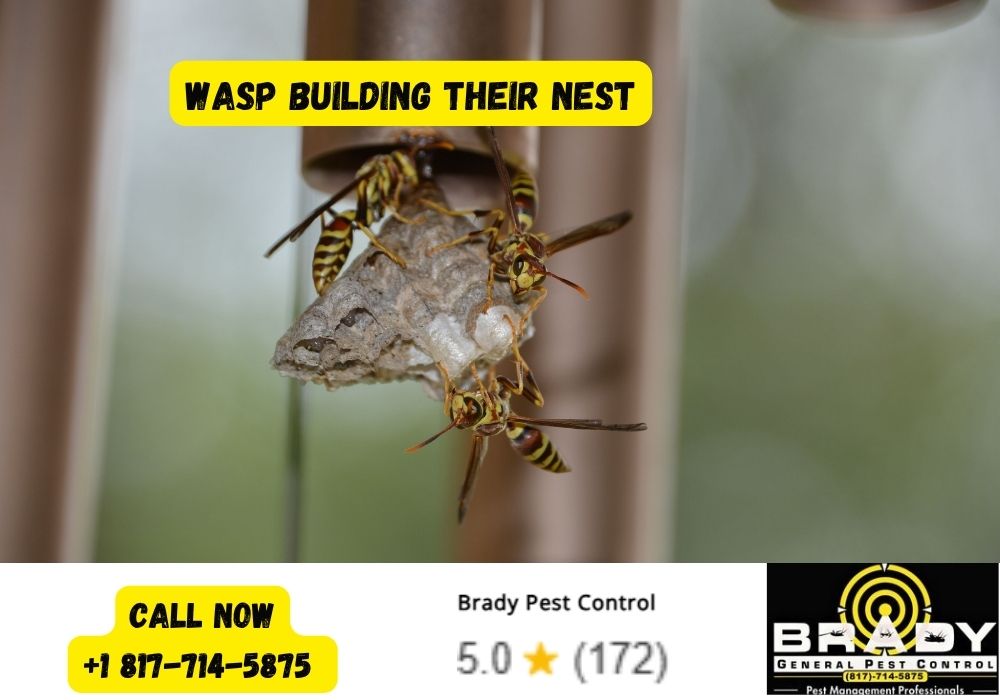
To reduce the chance of wasps invading your space, consider the following prevention methods:
- Seal Food Sources: Keep food covered outdoors and ensure trash bins are closed tightly.
- Remove Nests Early: If you notice a nest forming, it’s best to take action before it becomes more populated.
- Use Wasps’ Natural Deterrents: Certain scents, like peppermint oil, can repel wasps effectively.
These preventive measures are important because once a colony is established, the average life span of a wasp colony can last throughout the entire warm season until winter kills most of the workers.
Professional Wasp Control Services
Professional pest control services ensure your home is free from wasps. Here at Brady Pest Control, we offer:
- General Pest Control
- Targeted solutions for Fleas and Ticks
- Effective strategies against Cockroaches
Regardless of your location, our expert team is prepared to render services that suit your requirements. Contact us for local pest control services that prioritize your safety.
What To Do if You Encounter Wasps
Should you find yourself in proximity to wasps, keep these tips in mind:
- Remain calm and avoid quick movements.
- Slowly move away from the area without swatting at them.
- If stung, clean the area and consider seeking medical help if allergic reactions occur.
Remember, a proactive approach can prevent potential infestations from escalating.
Conclusion
In conclusion, understanding how long wasps live without food is crucial for managing and preventing infestations. With the right knowledge and preventive measures, you can keep your property wasp-free.
Knowing how long do wasps live and the average lifespan of a wasp helps homeowners take timely action before colonies grow larger.
If you’re facing a wasp problem, don’t hesitate to reach out to a local contractor like Brady Pest Control for assistance.
How Long Do Wasps Live? FAQs
Feeding Nature Video
What kills wasps instantly?
Solutions like insecticides or soapy water can effectively kill wasps quickly.
What is the lifespan of a wasp?
Wasps generally live from a few weeks to a year, depending on their type.
What are wasps scared of?
Wasps tend to avoid strong scents like peppermint and vinegar.
How long do wasps hang around after a nest is destroyed?
Wasps may linger for some time but will eventually leave if there’s no food source.
What smell do wasps hate?
Wasps dislike strong fragrances, geranium, eucalyptus, spearmint, lemongrass, citronella, bay leaves, basil, thyme, cloves with peppermint being a notable deterrent.
What happens if I destroy a wasp nest?
Destroying a nest can provoke aggressive behavior from the wasps.
How many times can a wasp sting?
Unlike bees, wasps can sting multiple times without losing their stinger.
How long can a wasp survive indoors without food or water?
Wasps typically survive for approximately 3-7 days indoors without sustenance.
How long will it take a wasp to die indoors?
A trapped wasp usually dies within 3–7 days indoors if it cannot find food or water. The exact time depends on the species and environment. In most cases, the wasp lifespan in house is shorter because indoor conditions prevent access to nectar, insects, and natural water sources.
What do black wasps hate?
Black wasps dislike strong natural scents such as peppermint oil, eucalyptus, citronella, and vinegar. These smells can interfere with their navigation and act as natural deterrents. Keeping these scents around outdoor seating areas may help discourage wasps from building nests nearby.
Can wasps sense your fear?
Wasps cannot literally sense human fear, but they are highly sensitive to movement and carbon dioxide. Sudden movements, swatting, or loud reactions can make them feel threatened, which may trigger aggressive behavior or stinging. Staying calm and moving slowly is the safest response when a wasp is nearby.
Can you sleep in a room with a wasp?
It is generally not recommended to sleep in a room with a wasp. Although most wasps are not aggressive unless provoked, accidental contact during sleep could lead to a sting. If a wasp is in the room, it is best to open a window or safely remove it before going to sleep.