

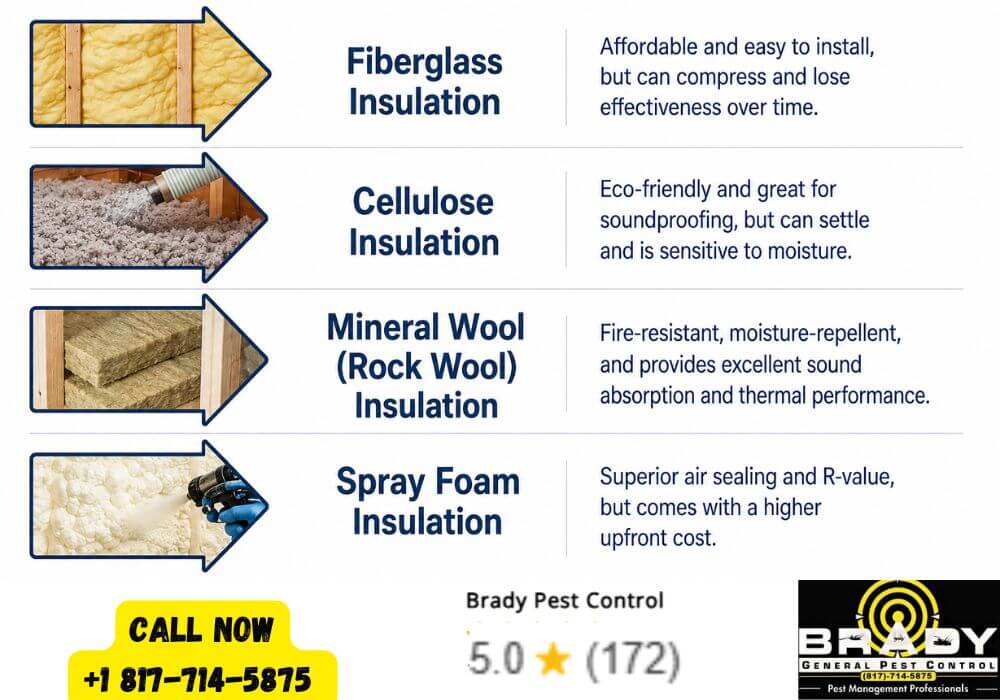
When it comes to making your home energy-efficient, choosing the right attic insulation types is key. Proper insulation keeps your home warm in the winter and cool in the summer, reducing energy bills. But with so many attic insulation types available, how do you know which one is best for your needs? Let’s explore the different attic insulation types and their pros and cons to help you make an informed decision for your home, near you.
Material Types of Attic Insulation
Fiberglass Insulation
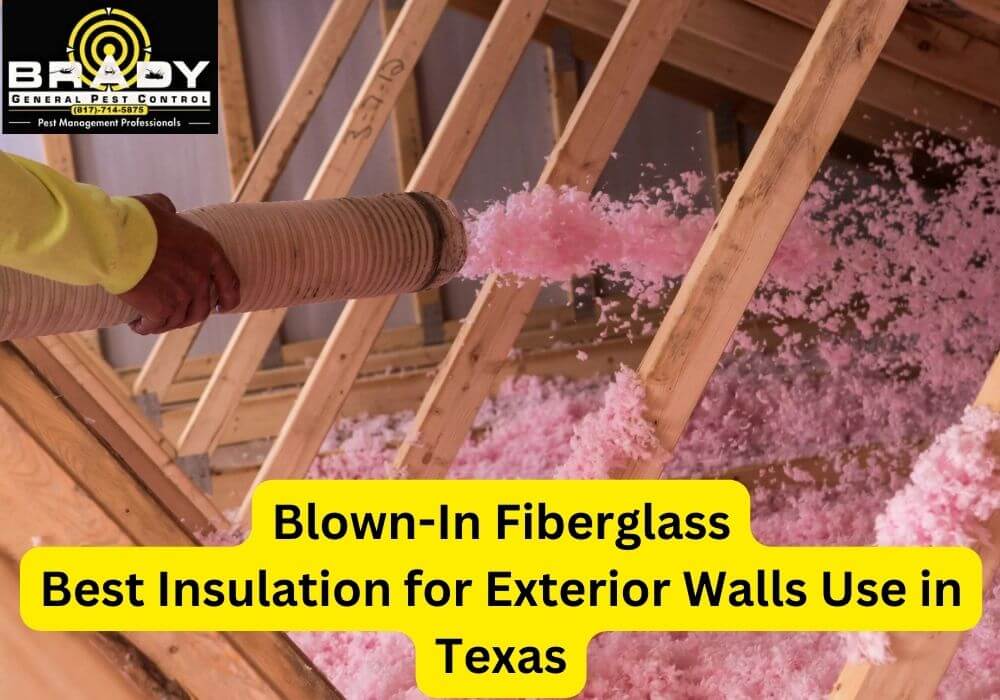
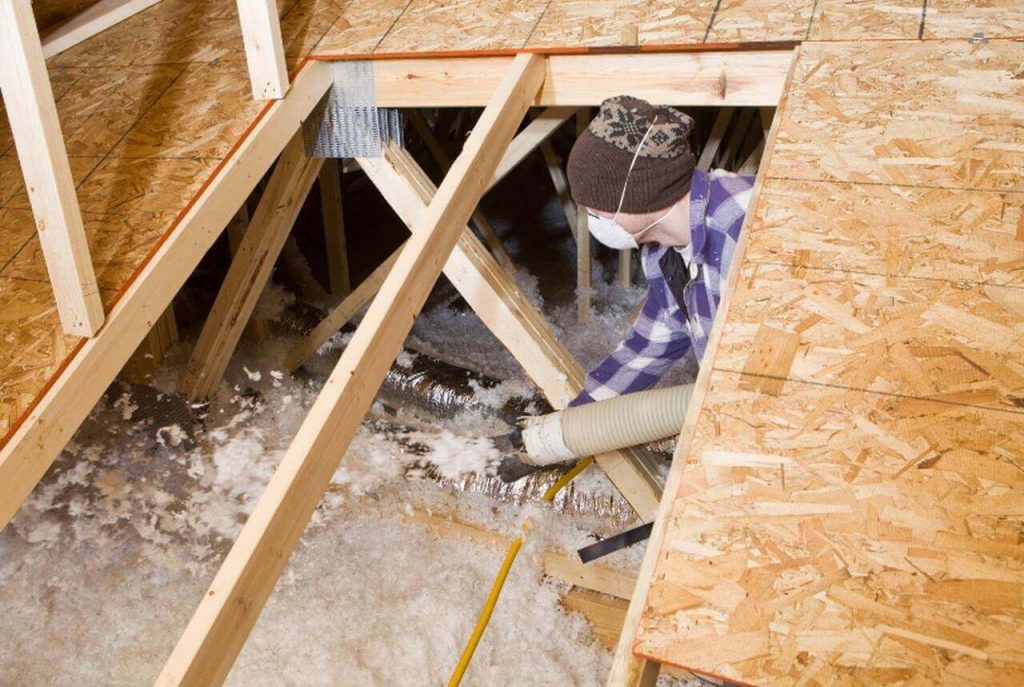
Fiberglass is one of the most common and budget-friendly attic insulation types. It’s made from fine glass fibers and is available in various forms like batts, rolls, or loose-fill (blown-in).
Pros of Fiberglass Insulation:
- Cost-Effective: It’s generally affordable and easy to install.
- Non-Combustible: It’s fire-resistant and does not burn easily.
- Good Performance: It provides a good R-value for insulation.
Cons of Fiberglass Insulation:
- Itchy: Handling fiberglass can be irritating to the skin.
- Installation Complexity: Can be difficult to install in hard-to-reach areas.
Cellulose Insulation

Cellulose insulation is made from recycled paper products, often treated for fire resistance. It’s most commonly installed as loose-fill insulation.
Pros of Cellulose Insulation:
- Eco-Friendly: Made from recycled materials, it’s a great choice for environmentally conscious homeowners.
- Great Air Barrier: Helps prevent air leaks and drafts.
- Good Coverage: It fills gaps and voids better than some other types of insulation.
Cons of Cellulose Insulation:
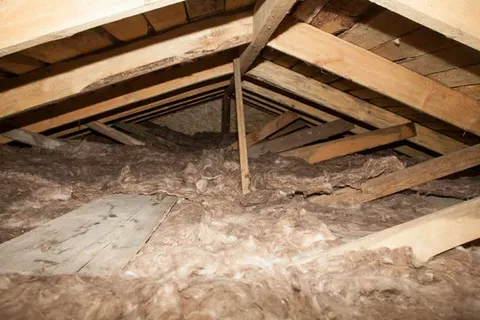
- Settling: Over time, cellulose may settle, reducing its effectiveness.
- Moisture Sensitivity: It can absorb moisture, leading to mold growth if not installed correctly.
Mineral Wool (Rock Wool) Insulation
Mineral wool, also known as rock wool or slag wool, is made from natural rock and recycled steel slag. It is often available as batts or loose-fill.
Pros of Mineral Wool Insulation:
- Fire Resistant: Offers excellent fire protection.
- Sound Proofing: It’s great for reducing noise between rooms.
- Water Resistant: Does not absorb water, reducing the risk of mold growth.
Cons of Mineral Wool Insulation:
- Heavy: It can be more difficult to install due to its weight.
- Costly: It tends to be more expensive than fiberglass.
Spray Foam Insulation
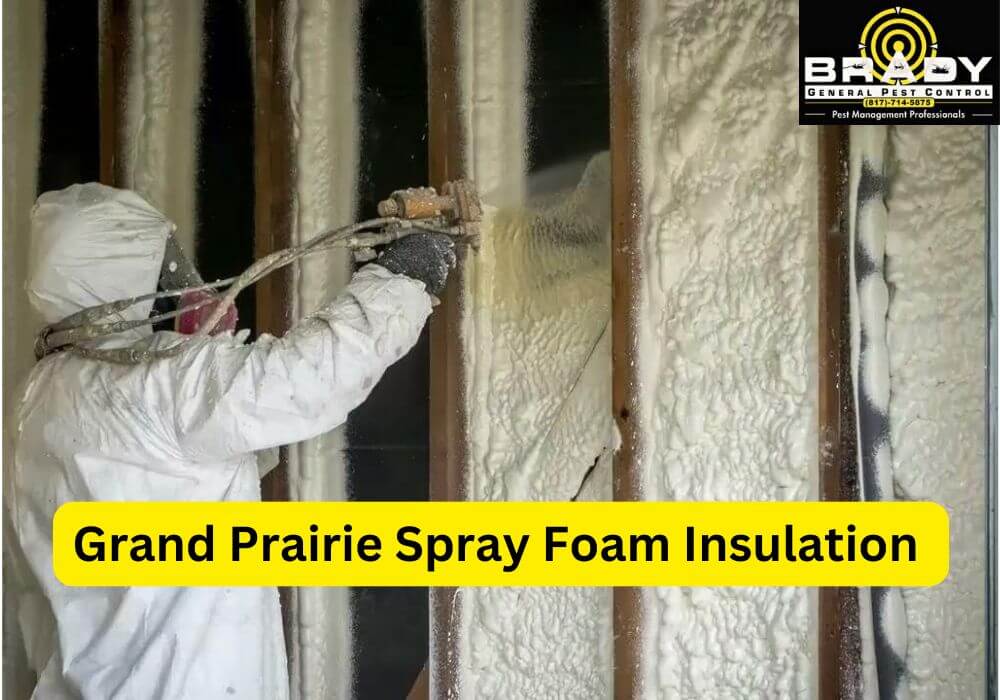
Spray foam insulation is a popular choice for attic insulation types, particularly because it creates an airtight seal. It can be applied as open-cell or closed-cell foam, making it suitable for both attic floors and roof decks.
Pros of Spray Foam Insulation:
- Excellent Air Sealant: Spray foam seals gaps and cracks, providing superior air barrier performance.
- High R-Value: Closed-cell spray foam has a high R-value, making it a good choice for colder climates.
- Moisture Resistance: It can help prevent mold growth by keeping moisture out.
Cons of Spray Foam Insulation:
- Costly: It’s more expensive than traditional insulation methods.
- Professional Installation: Requires professional installation due to the need for specialized equipment.
Other Attic Insulation Forms
Radiant Barriers
Radiant barriers are reflective materials, typically installed on the underside of the roof rafters. They reflect heat away from the attic to keep it cooler in the summer.
Pros of Radiant Barriers:
- Great for Hot Climates: They work well in hot climates where keeping the attic cool is essential.
- Energy Efficient: Reflects heat, reducing cooling costs.
Cons of Radiant Barriers:
- Limited Use: Not effective in cold climates as they don’t prevent heat loss.
- Requires Proper Installation: Needs to be installed correctly to work efficiently.
Foam Board Insulation
Foam board insulation comes in rigid panels of polystyrene or polyurethane. It’s often used in specific areas or as part of a larger system.
Pros of Foam Board Insulation:
- Water Resistant: Great for areas prone to moisture, like basements.
- Easy to Install: Panels can be easily cut and installed.
Cons of Foam Board Insulation:
- Limited Flexibility: It doesn’t expand or contract like some other types of insulation.
- Cost: It can be more expensive than fiberglass or cellulose.
What to Consider Before Installing Insulation

R-value
The R-value measures the insulation’s ability to resist heat flow. A higher R-value indicates better insulation performance. Depending on your local climate, you’ll need to choose insulation with the appropriate R-value for your attic.
Air Sealing
Before installing insulation, it’s important to seal any air leaks in your attic. Air sealing prevents drafts and maximizes the performance of your insulation.
Cost
Each attic insulation type comes with different installation costs. Spray foam insulation is the most expensive, while fiberglass is typically the least costly. If you’re looking for affordable attic insulation, fiberglass or cellulose may be your best bet.
Conclusion
Choosing the right attic insulation type for your home is essential for comfort and energy efficiency. Fiberglass, cellulose, and spray foam are popular options, each with their pros and cons. If you’re near me and need help deciding or installing attic insulation, don’t hesitate to contact us. We offer expert attic insulation removal/replacement services near you.
For professional insulation services near you, reach out to us today! Attic Insulation Services
FAQs
What R-value is best for attic insulation?
The best R-value for your attic depends on your climate. In colder climates, R30 to R60 is often recommended for optimal energy efficiency.
Is R19 or R30 better for an attic?
R30 is generally better for colder climates as it provides more insulation and helps maintain a comfortable home temperature.
What are the three main types of insulation?
The three main types of insulation are fiberglass, cellulose, and spray foam.
What is the longest-lasting attic insulation?
Spray foam is often the most durable and long-lasting option because it forms an airtight seal and resists moisture.
How many years is attic insulation good for?
On average, attic insulation lasts around 20-30 years, depending on the type and conditions.
Should I remove old attic insulation before adding new?
Yes, it’s recommended to remove old insulation before adding new insulation to avoid contamination and maximize efficiency.
How much does it cost to remove and replace attic insulation?
The cost of attic insulation removal and replacement varies depending on the material, labor, and the size of your attic. Contact us for a quote!